CarPlay Ultra Cars List And Supported Brands
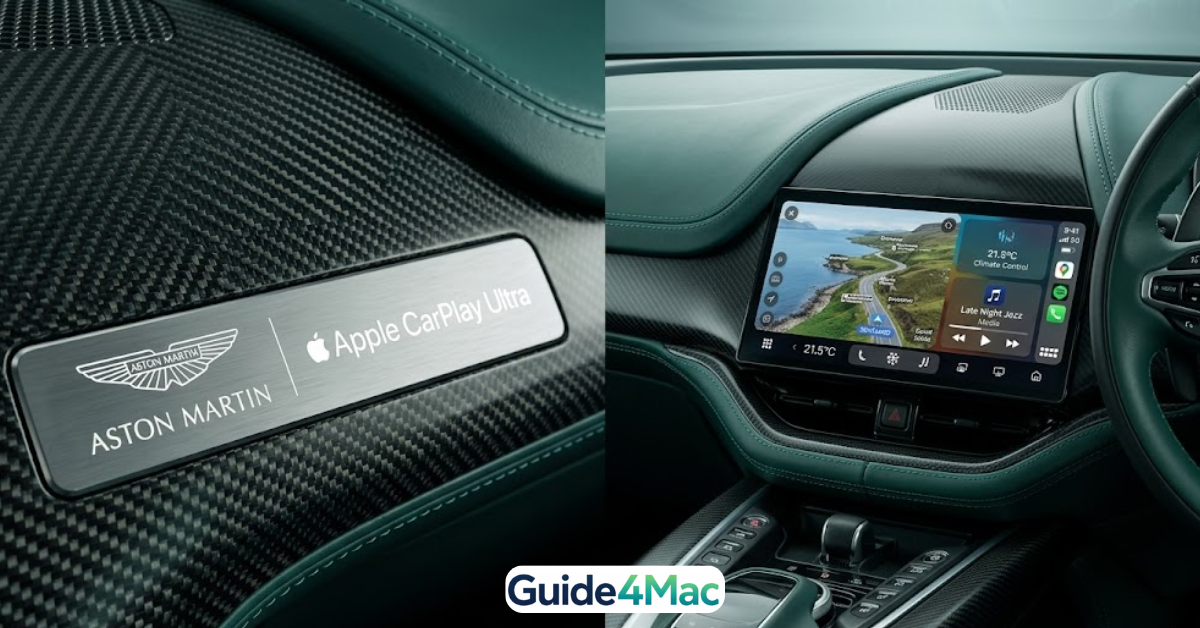
Apple’s CarPlay Ultra cars list is still surprisingly small, despite the company’s big ambitions for next-generation in-car software. While the system promises deeper integration across dashboards and driver displays, adoption has been slow and uneven.
In this article, you’ll find which car brands support CarPlay Ultra, which ones are coming soon, and which automakers are walking away. You’ll also learn why some companies are hesitant and what that means for future vehicles.
Why Is CarPlay Ultra Adoption So Limited?
CarPlay Ultra is not just a simple screen mirroring feature like standard CarPlay. It takes over multiple displays in a car, including the instrument cluster, climate controls, and more.
This deeper integration requires automakers to give Apple significant control over their software experience. Many brands see this as a risk to their identity, data ownership, and subscription revenue models.
What CarPlay Ultra Changes Compared to Regular CarPlay
Regular CarPlay is essentially an iPhone powered interface for maps, music, calls, and messages on your infotainment screen. It is great, but the car still owns the gauges, and most vehicle settings stay in the manufacturer UI.
CarPlay Ultra is designed to blend those worlds. Depending on the car, Apple’s UI can appear across multiple displays, show driving information, and offer a consistent look that matches the car brand while still feeling like iOS.
Car Brands Apple Has Confirmed For CarPlay Ultra
Apple has indicated these automakers still plan to support CarPlay Ultra:
- Acura
- Aston Martin
- Ford
- Genesis
- Honda
- Hyundai
- Infiniti
- Jaguar
- Kia
- Land Rover
- Lincoln
- Nissan
- Porsche
Support does not mean every model gets it right away. In many cases, it depends on the infotainment generation, region, and whether the car can receive the required software update.
Make Your Next Drive Less Annoying
CarPlay Ultra is a big step toward an iPhone first dashboard, but it depends on automakers agreeing to deeper Apple integration. If your brand is on the confirmed list, the smartest move is to verify iPhone eligibility, confirm your infotainment hardware, and enable the function or ask your dealer how updates will be delivered.
If your manufacturer opts out, you are not stuck. Standard CarPlay is still excellent, and aftermarket options can bring a modern CarPlay experience to many older vehicles when installed correctly.
Key Takeaways
CarPlay Ultra supported cars are currently limited to a specific set of brands, and real availability depends on your vehicle’s infotainment hardware. You will need an iPhone 12 or later and a recent iOS version to use CarPlay Ultra when it arrives for your car. If your automaker delays or skips Ultra, standard CarPlay and aftermarket upgrades are still practical options. This article helps iPhone owners figure out what to expect and what to do next without guessing.
FAQ
No. Support is usually tied to specific model years and infotainment generations, so two cars from the same brand can have very different eligibility.
In most cases, yes. CarPlay Ultra requires newer iPhone hardware, so older models that run regular CarPlay may not qualify.
Availability is typically announced region by region. Even when a brand supports Ultra, rollouts often start in limited markets and expand later.
Sometimes. Early implementations may require a dealer installed update, especially if the car needs infotainment firmware changes that are not delivered over the air.
Usually, yes. Many manufacturers that hesitate on Ultra still support normal CarPlay, and it remains the best day to day option for most drivers.


0 Comments