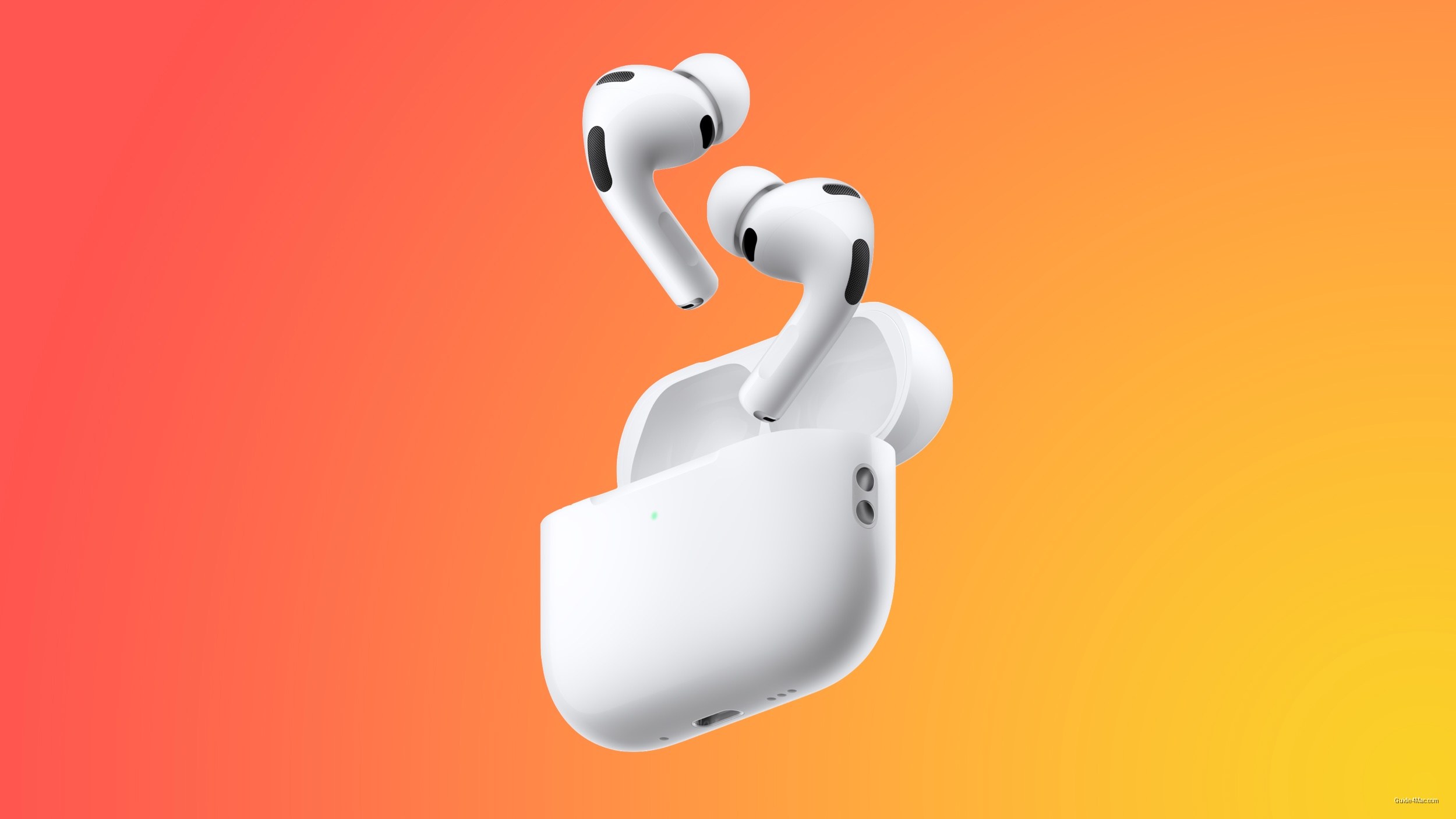
AirPods Pro Camera Delayed to Late 2027 Over AI Vision Issues
What You Need to Know
- Camera-equipped AirPods delayed to late 2027 due to incomplete visual identification models.
- AirPods cameras feed environmental data to Siri for contextual assistance and directions.
- Apple developing smart glasses arriving as early as end of next year.
- Camera-equipped AirPods launching alongside 20th anniversary iPhone and foldable iPhone in 2027.
Apple’s camera-equipped AirPods have slipped to late 2027, pushed back from an earlier 2026 target because the company hasn’t finished building the visual models needed to identify objects around a wearer. The delay puts the product alongside two other high-profile launches: the 20th anniversary iPhone and a foldable iPhone that Apple has been developing in parallel.
The cameras aren’t meant for photography. Instead, they feed environmental data to Siri continuously, letting the assistant answer questions about whatever the wearer is looking at, offer contextual reminders, and improve walking directions. The stems of the earbuds will house the cameras, and a light will signal to people nearby when the cameras are actively sending data.
The feature set maps closely onto Visual Intelligence, which Apple already ships on iPhone. In iOS 27, Visual Intelligence gets a dedicated Siri Mode inside the Camera app, a clear stepping stone toward the always-on, hands-free version the AirPods would enable.
A Crowded Wearable Moment
Apple is also developing smart glasses that could arrive as early as the end of next year, which would put two camera-based AI wearables hitting the market at roughly the same time. Whether Apple treats them as complementary products or competing ones is a question the current reporting doesn’t answer. Bloomberg notes that all three 2027 devices are being tested with iOS 28, but timing “remains fluid and could change.”
The AI-powered AirPods delays reflect a pattern Apple has struggled to escape since launching Apple Intelligence: the company has set public expectations around AI features that its underlying models weren’t ready to meet. Shipping a wearable whose entire value proposition depends on real-time object recognition requires that problem to be solved first, not announced first.


0 Comments