IPhone Location Data Now Requires Police Warrant, Supreme Court Rules
What You Need to Know
- Supreme Court ruled location data from smartphones receives Fourth Amendment protection against warrantless searches.
- Police can no longer use geofence warrants to obtain location histories without establishing probable cause.
- Law enforcement must identify specific suspects and demonstrate probable cause before requesting location data sweeps.
- Tech companies now have stronger legal grounds to refuse broad government requests for user location information.
For most people who carry a smartphone, the daily question is not whether their device is collecting location data, it is who can access that data and under what conditions. A Supreme Court ruling now answers part of that question, and the answer tilts toward the user.
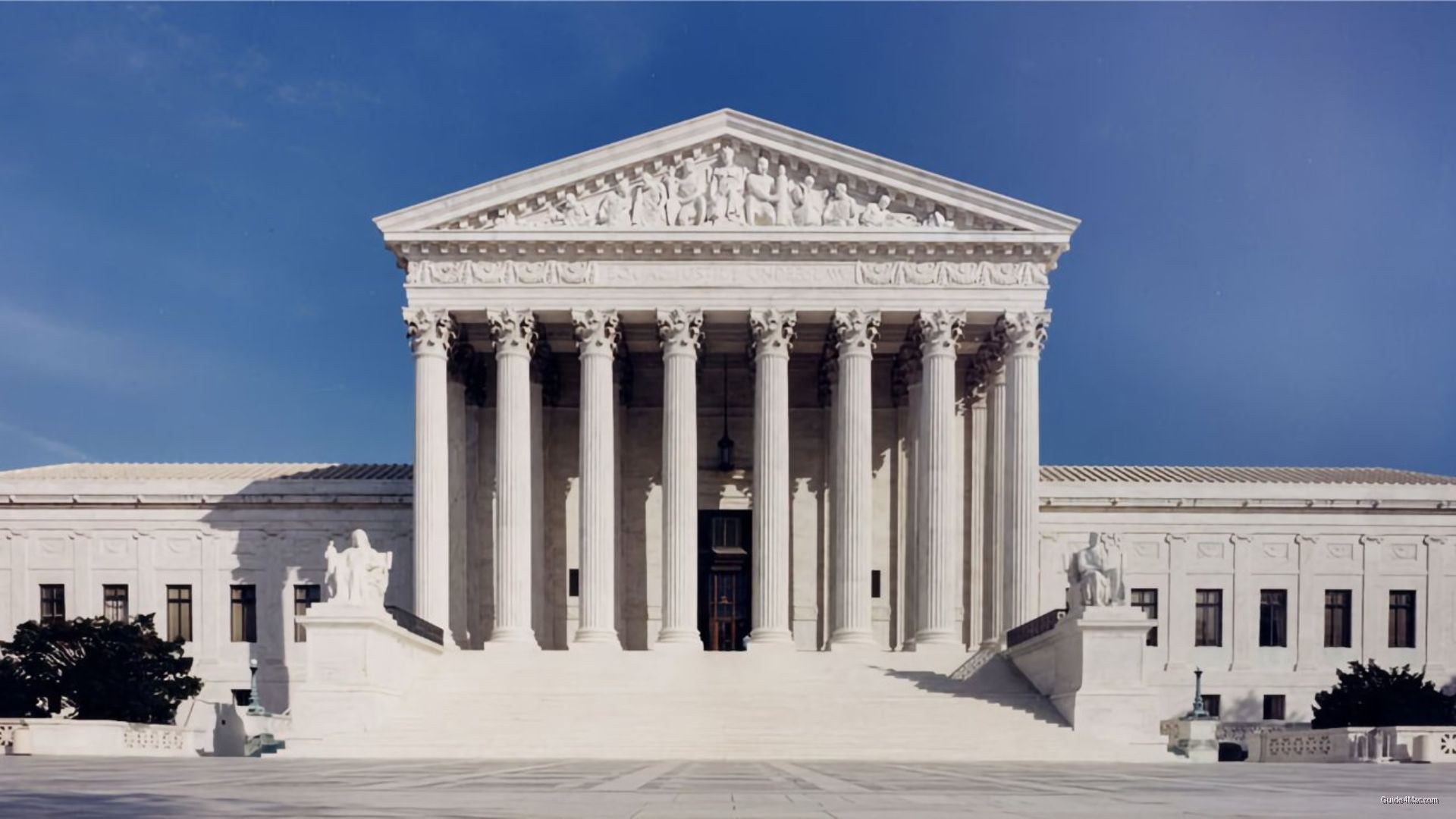
The Court declared that location information gathered by smart devices falls under Fourth Amendment protection, meaning law enforcement can no longer use broad requests to pull personal location history without first establishing probable cause. The practice under scrutiny, known as a geofence warrant, allowed police to ask companies like Google to hand over movement records for every person near a crime scene during a given window. If your iPhone’s location sensors placed you near a bank robbery you knew nothing about, your data could end up in a police file regardless.
The case traces back to a 2019 bank robbery where investigators had no leads and no named suspects. Police sent a geofence request to Google, received location records for multiple accounts in the area, and eventually identified and arrested a man named Okello Chatrie using that data. Chatrie pleaded guilty, but his lawyers challenged the constitutionality of how the evidence was gathered.
The Court agreed with that challenge. Justices ruled that requesting this kind of location sweep from a tech company qualifies as a formal search under the Constitution, which means police must now identify specific suspects and demonstrate probable cause before any such request goes out.
What changes for companies and users
The practical effect is that companies like Apple and Google now have clearer legal ground to push back on sweeping government requests. Users who have long assumed their daily movements were exposed to any sufficiently motivated investigator now have a constitutional ruling, not just a privacy policy, backing their expectation of protection.
What the ruling does not do is restrict law enforcement from obtaining location data tied to a specific, identified suspect through proper channels. The dragnet approach is what the Court closed off.



0 Comments