IPhone 18 Pro US Models Keep Qualcomm Modem While Rest of World Gets Apple C2
What You Need to Know
- IPhone 18 Pro U.S. models will use Qualcomm modems; international variants get Apple’s C2 chip.
- Stolen data from Tata Electronics ransomware attack revealed Apple’s modem strategy documents.
- Apple’s C2 modem cannot support mmWave 5G frequencies, requiring Qualcomm for U.S. carriers.
- Verizon and AT&T demand mmWave support in flagship phones despite limited practical benefit.
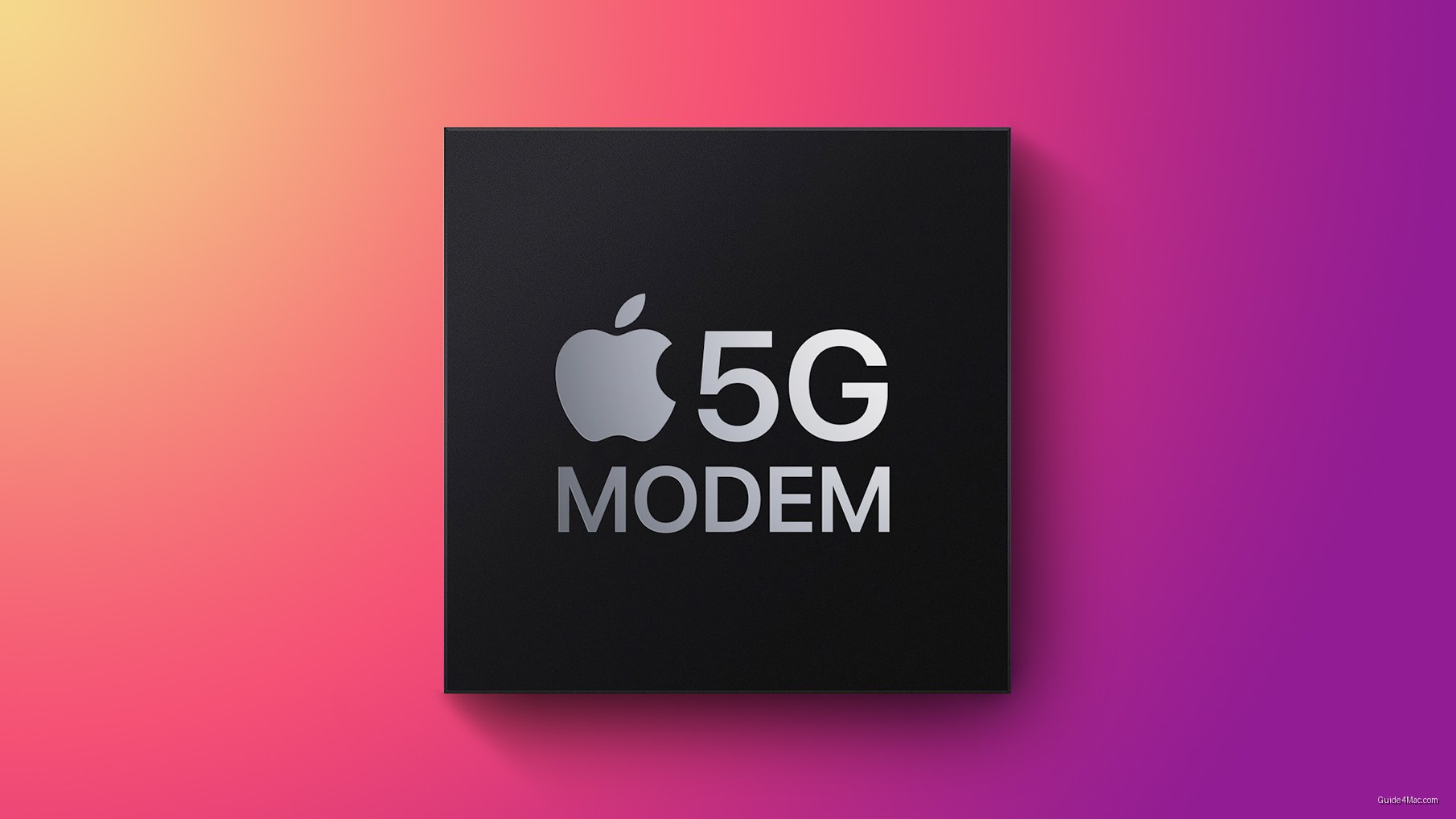
Stolen manufacturing data suggests Apple is splitting its modem strategy for the iPhone 18 Pro along geographic lines, with U.S. models keeping Qualcomm silicon while the rest of the world gets Apple’s own C2 chip. The data comes from a ransomware attack on Tata Electronics, one of Apple’s assembly partners, in which a group calling itself “World Leaks” stole more than 630GB of confidential files. AppleInsider analyzed the leaked material and said it could confirm the authenticity of several key documents.
The U.S. bill of materials apparently lists multiple Qualcomm components, including the SDX80M, SDR875, QDM8771, QDM8720, PMK75, PMX75, and QET7100A, all associated with mmWave 5G support. International variants, by contrast, are listed as using Apple’s C2 modem, codenamed Ganymede, which would follow the C1 and C1X chips already shipping in the iPhone Air and iPhone 17e. The implication is that the C2 still cannot handle mmWave frequencies, leaving Qualcomm as the only option for American carriers that have built networks around that band.
Why carrier economics, not engineering, may be driving the split
John Gruber of Daring Fireball put the logic plainly: Verizon and AT&T spent heavily building mmWave infrastructure and expect flagship phones to support it. Apple’s flagship iPhones have included that support since 2020, and carriers are unlikely to accept a step back on a spec they use for marketing, regardless of whether real-world users ever notice the difference.
Gruber was direct about the practical value of mmWave, comparing a 320 Mbps cellular connection to a car capable of 320 mph. His position is that regular 5G is already faster than anything a phone actually needs, and that mmWave costs battery life without returning anything meaningful to the user. Apple’s C1 family is already regarded as more power-efficient than Qualcomm’s modems, so U.S. buyers of what could be a record-priced Pro Max may end up with worse battery life than customers buying the same device in Europe or Asia.
A split deployment would still mark real progress in Apple’s long-running effort to reduce Qualcomm dependence. The iPhone 18 Pro is expected this fall alongside Apple’s first foldable device, which is targeting production of around 10 million units at launch. Whether the C2 eventually reaches U.S. models depends on whether Apple can add mmWave support in a future modem generation, or whether carrier pressure keeps Qualcomm in the picture longer.


0 Comments