IPhone Supply Chain Gets Tariff Break in India Through 2029
What You Need to Know
- India removed tariffs on smartphone components including wireless charging hardware and lithium-ion battery cells through March 2029.
- Apple’s MagSafe wireless charging system depends on components now exempt from Indian import duties, reducing sourcing costs.
- Apple assembles roughly one-quarter of all iPhones in India, including entire iPhone 17 lineup for first time.
- Foxconn and Tata Electronics are primary assembly partners expanding India operations with $1.5 billion investment from Foxconn.
India’s decision to strip out import duties on key smartphone components hands Apple’s India supply chain a cost advantage it has been quietly building toward for years. The Indian government removed tariffs of 7.5% and 5% on inputs for wireless charging hardware, automotive and medical device screens, and lithium-ion battery cells, according to a Reuters report. The exemptions run through March 31, 2029, giving Apple and its assembly partners a multi-year window to restructure sourcing without the uncertainty of annual policy reviews.
The wireless charging exemption carries particular weight. MagSafe, Apple’s magnetic wireless charging system built into every current iPhone, depends on precisely the kind of hardware now covered by the duty removal. Cheaper access to those components inside India makes domestic sourcing more attractive than importing finished parts at a markup, which is exactly the kind of vertical integration Apple has been nudging its partners toward.
A Supply Chain Bet That Is Already Paying Off
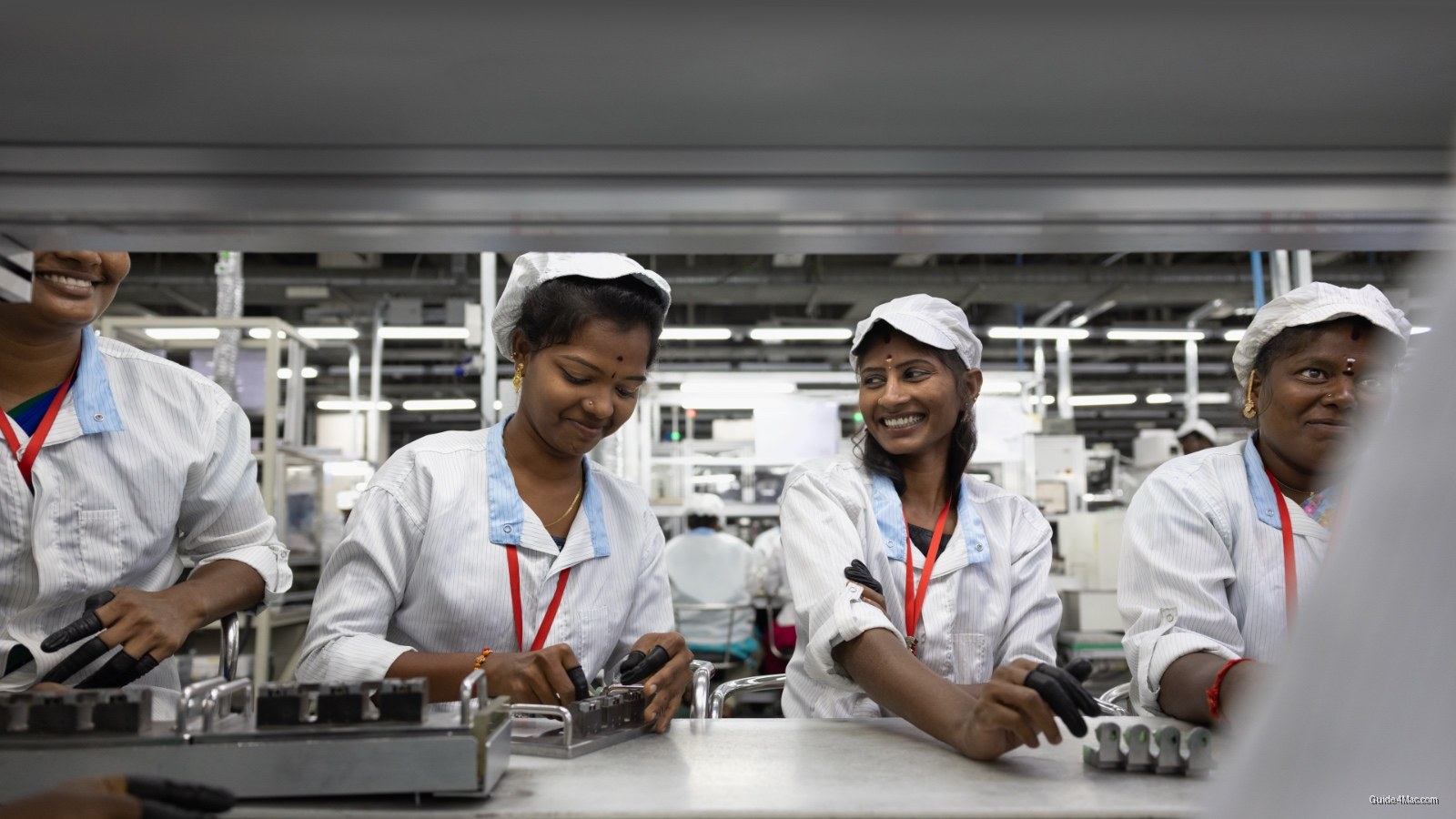
Apple’s pivot to India has been years in the making, but the scale has accelerated sharply. Assembly partners now build roughly a quarter of all iPhones in the country, and the entire iPhone 17 lineup, including the Pro and Pro Max models, is being produced there for the first time. That last detail matters: higher-end models carry more complex components, and the cost pressure on those lines is steeper.
The two assemblers doing most of this work are Foxconn and Tata Electronics. Foxconn committed $1.5 billion to expanding its India operations earlier this year. Tata has grown into an equally central partner, though its role has come with complications around supply chain security that Apple has had to address directly.
The tariff relief arrives at a moment when component costs are already under pressure elsewhere. Apple has been navigating higher memory costs tied to chip sourcing, which limits how much margin flexibility the company has on any given device. Savings on wireless charging inputs and battery cells in India do not solve that problem, but they offset it in a region where Apple is concentrating an increasing share of production risk.
Why 2029 Matters More Than the Percentage Points
A five-percentage-point tariff cut sounds modest. The longer implication is structural. By locking in the exemptions through 2029, India gives Apple’s suppliers enough runway to justify capital investment in local component manufacturing rather than treating India purely as an assembly destination. That distinction, between assembling imported parts and building a genuine supply ecosystem, is what separates a fragile manufacturing presence from a durable one.
Apple is simultaneously expanding its product ambitions in the region. Production forecasts for its first foldable iPhone have climbed to roughly 10 million units, a device that will require its own set of complex components. Whether India’s supply chain can support that kind of product is an open question, but tariff relief on battery cells and display inputs moves the answer slightly closer to yes.
What This Means If You Own an iPhone
For most iPhone users, this policy change is invisible in the short term. It does not affect pricing, availability, or features on any current device. What it does affect is Apple’s cost basis for future hardware assembled in India, which in theory gives the company more room to hold prices steady on India-manufactured models even as other input costs rise.
The iPhone 18 lineup is the first generation likely to be designed with India’s expanded manufacturing capacity as a baseline assumption rather than a supplement to China. If the supply chain matures the way Apple is betting it will, the country’s role shifts from contingency plan to primary production hub, and these tariff exemptions are one of the policy levers making that transition cheaper to execute.



0 Comments