Apple Watch Commands 90% of Edge AI Smartwatch Market
What You Need to Know
- Apple Watch controls 90 percent of Edge AI-capable smartwatch shipments globally.
- Blood pressure monitoring shipments doubled year-over-year; sleep apnea detection tripled in Q1 2026.
- On-device inference keeps health data private by processing it locally on the watch chip.
- Apple’s S9 chip introduced in 2023 included dedicated 4-core Neural Engine for local machine learning.
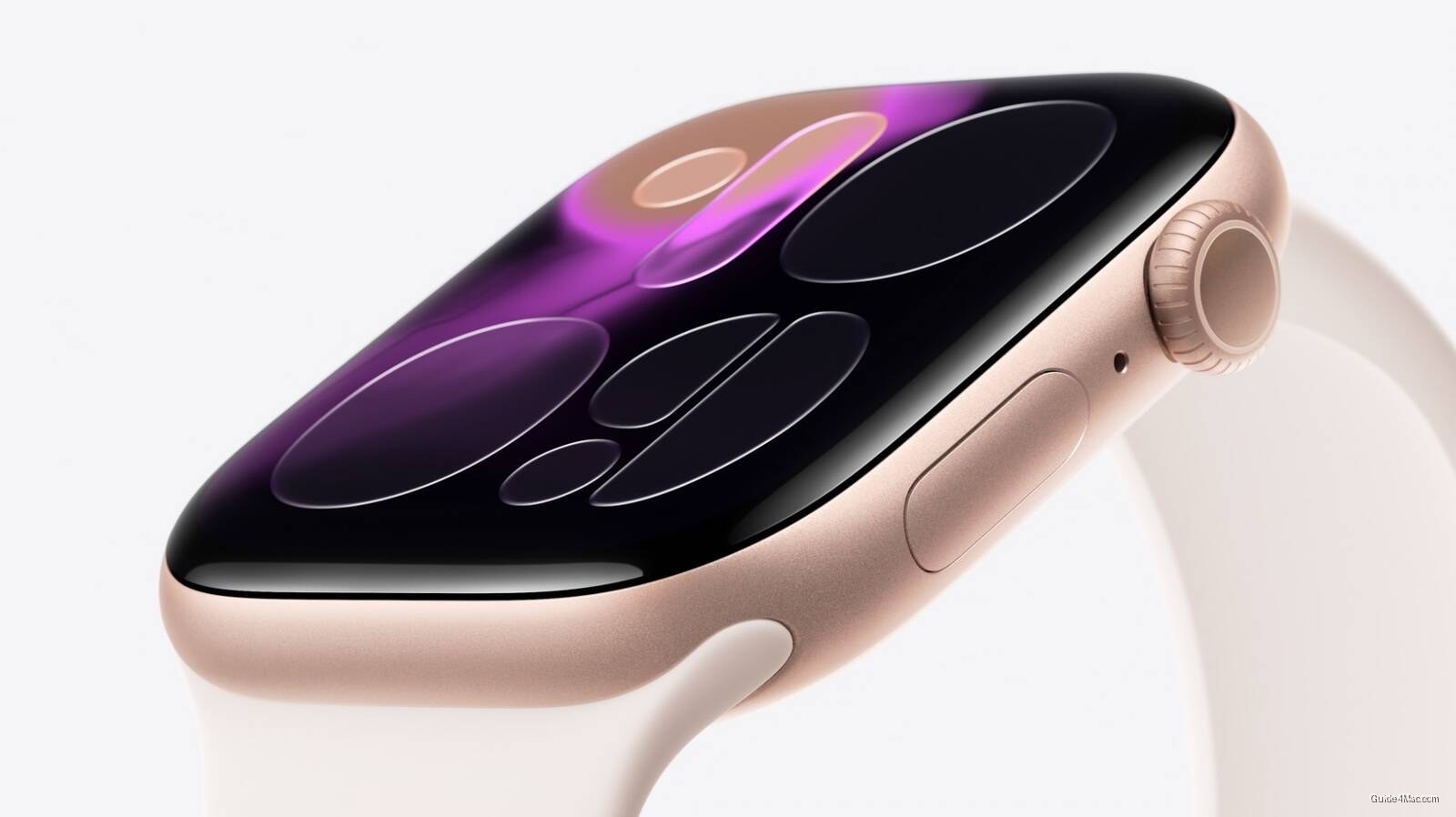
Apple Watch sits at roughly 90 percent of all Edge AI-capable smartwatch shipments, and that position did not happen by accident. According to new data from Counterpoint Research’s Global Smartwatch Shipments Tracker, Edge AI penetration across the broader smartwatch market grew 70 percent year-over-year in Q1 2026, reaching 25 percent of all shipments. Apple absorbed nearly the entire category it helped create.
The more interesting number buried in that report is not Apple’s share. It is how fast the underlying use cases are expanding. Blood pressure monitoring shipments doubled year-over-year, and sleep apnea detection tripled. Counterpoint says brands are now targeting diabetes detection as the next frontier. The hardware race is being pulled forward by health applications, not by anything resembling a general AI assistant on your wrist.
Counterpoint Principal Analyst Anshika Jain noted that Edge AI integration “enables real-time health insights and faster responses while helping ensure data privacy.” That last phrase matters more than it might seem. On-device inference means your irregular heartbeat detection or fall detection runs on the watch’s own chip, with no data routed to a server or even a paired iPhone. For health data specifically, that is a meaningful architectural distinction, not a marketing footnote.
How Apple Built a Three-Year Lead in Wearable Silicon
Apple’s position traces directly to the S9 chip, introduced in 2023, which brought a dedicated 4-core Neural Engine to Apple Watch for the first time. That chip was purpose-built for on-device machine learning, allowing health and safety features to run inference locally rather than depending on a connection to anything else. No competitor shipped comparable silicon until Huawei launched its Kirin W80 in 2025, which powers its Celia voice assistant locally. Qualcomm is only entering the space this year with its Snapdragon Wear Elite platform, and Google is reportedly preparing a Tensor-based wearable chip that has not yet shipped.
That gap explains the 90 percent figure better than any single product decision. Apple spent the intervening years shipping devices with Neural Engines while rivals were still routing AI tasks through companion phones or cloud servers. Counterpoint’s methodology is strict: a smartwatch only qualifies as Edge AI-capable if it has an NPU or neural engine on board and at least one health, safety, or interaction feature actually runs inference on that chip. Hardware alone does not count.
The Budget Alternative That Could Chip Away at Apple’s Share
One development in Counterpoint’s data that gets less attention is the emergence of a software-driven path to Edge AI that does not require dedicated neural hardware. Ambiq’s Apollo platform runs AI inference on vector-core silicon using Arm’s Helium extensions, sidestepping the need for a purpose-built NPU. It remains a niche approach today, but it points toward a future where lower-cost smartwatches can offer some on-device AI features without replicating the silicon investment Apple has made across multiple chip generations.
That matters because Apple’s dominance is partly a function of price. The Apple Watch starts well above most Android wearables, and the cost of Apple hardware has been climbing as AI infrastructure demands reshape the company’s pricing across product lines. If Ambiq’s approach or Qualcomm’s new platform gives mid-range Android watches a credible Edge AI story, Apple’s 90 percent share could compress even without Apple losing any ground in absolute shipments.
What This Means If You Own an Apple Watch
If you have a Series 9 or later, you are already using Edge AI whether or not you think of it that way. Fall detection, crash detection, irregular rhythm notifications, and sleep apnea detection all run locally on the Neural Engine, which is why they work even when your watch is not near your phone. That architecture is now the basis for whatever health features Apple adds next, including any future diabetes detection capability if the category develops the way Counterpoint’s data suggests it might.
If you are on an older model, the practical implication is simpler. The health features that matter most in the next few years will require the S9 chip or newer. Apple Watch upgrades have rarely felt urgent, but the gap between Neural Engine-equipped and older models is widening with each software generation.



0 Comments