Siri Rebuilt From Ground Up for iOS 27, Scrapping Working Version
What You Need to Know
- Apple rebuilt Siri from scratch for iOS 27 instead of shipping an incremental update.
- New Siri runs on different AI models and works across iPhone, iPad, Mac, Watch, Vision Pro, CarPlay, and AirPods.
- Apple is using a waitlist system for access, with EU rollout limited by DMA compliance requirements.
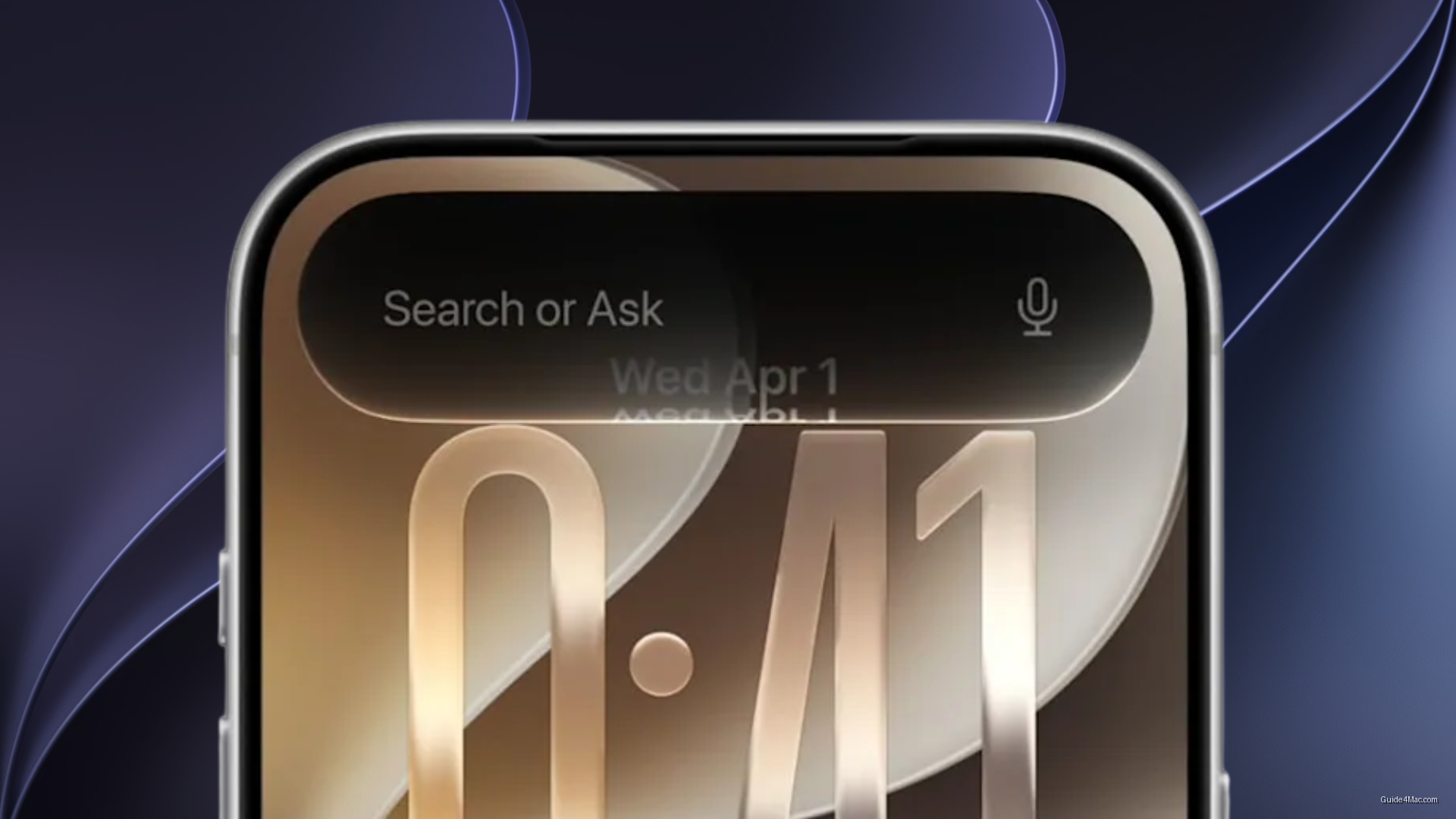
Apple’s new Siri, arriving with iOS 27, is built on a completely different technical foundation than the assistant users have tolerated for over a decade. That is not marketing language. According to Apple executive Mike Rockwell, the company literally scrapped a working version of the updated assistant and started over.
Rockwell’s explanation is more candid than Apple’s usual product communications. The company had already built an incremental version of Siri AI that added tool calling on top of the existing Siri platform, and it worked. Apple chose not to ship it. “We didn’t feel it was really delivering on the vision and the experience that we wanted to do,” Rockwell said, adding that the team “went back, and we rebuilt Siri from the ground up, literally, tore it to the ground.”
What the Rebuilt Assistant Actually Covers
The new Siri runs on new AI models and is designed to work consistently across:
- iPhone, iPad, and Mac
- Apple Watch, Vision Pro, and CarPlay
- AirPods
That’s a wide surface area, and the Siri redesign carries reputational weight given how visibly Apple has lagged competitors on AI assistants. The rebuilt version also introduces a native multimodal architecture alongside a privacy-focused design.
Not everyone will get access at once. Apple is running a waitlist system for the new experience, and users in some regions face additional constraints. The EU rollout is shaped by DMA obligations, with certain capabilities held back depending on tier and geography. Apple has been navigating EU compliance carefully, and the new Siri is no exception to that pattern.
For users waiting on the feature, Apple will send a notification when the new Siri experience is enabled on their device. Rockwell’s remarks make clear the delay was a deliberate architectural choice, not a resource problem. Apple decided that shipping a faster but shallower update would have been the wrong call, and it rebuilt the entire platform rather than patch the old one.


0 Comments