Siri AI Launches Without EU Support, Again, Due to DMA Rules
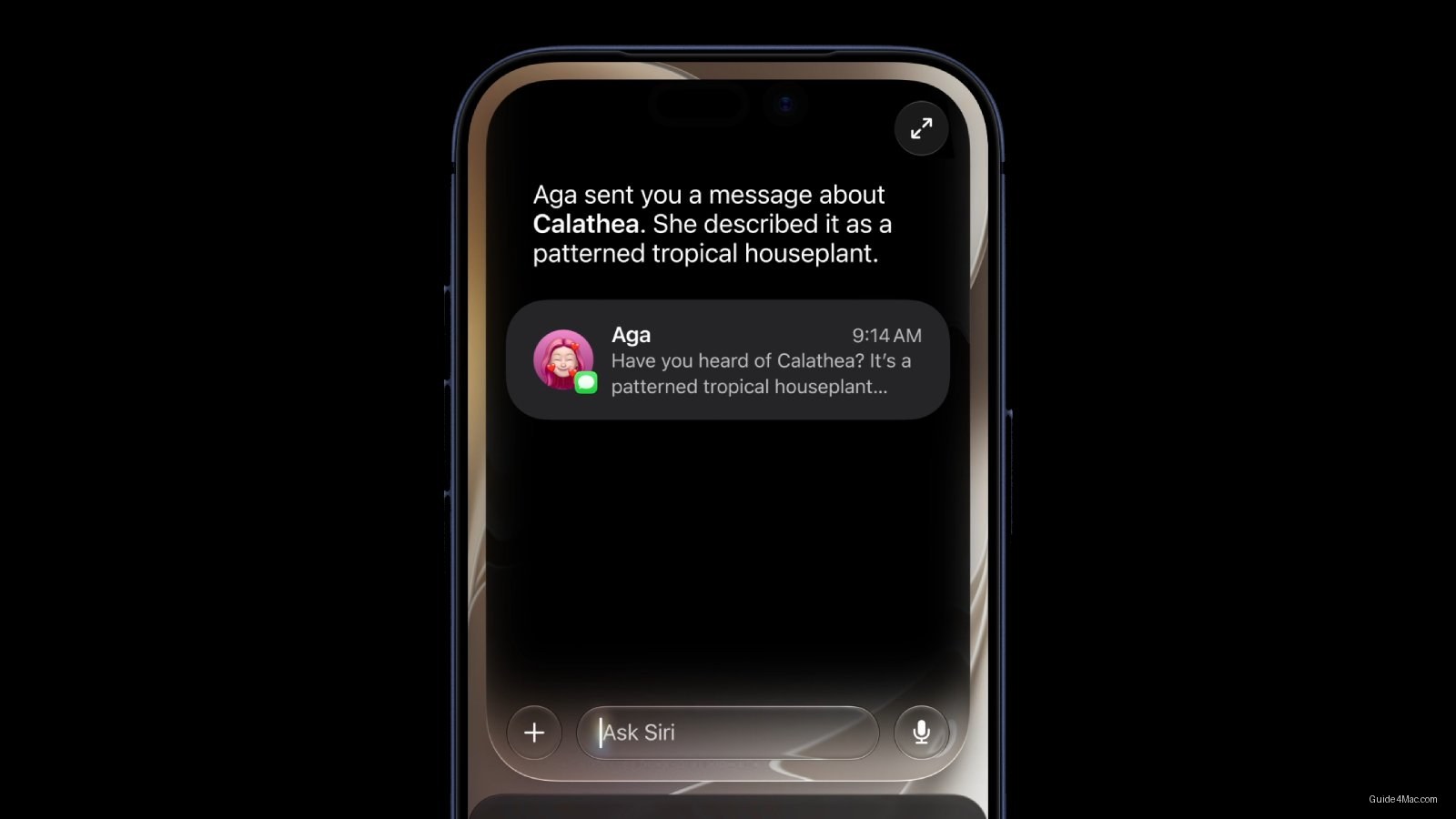
What You Need to Know
- Siri AI requires A17 Pro or M1 chip or newer, excluding older devices from the feature.
- Apple Watch Series 10 and newer cannot run Apple Intelligence locally; they require a nearby iPhone.
- Siri AI will not be available in the EU at launch due to Digital Markets Act compliance.
- Apple Intelligence was previously withheld from EU devices for regulatory reasons before rolling out in April 2025.
The headline Apple wants you to read is about which devices support the new Siri. The more telling detail is buried at the bottom: the feature won’t be available in the EU at launch, again, for the same regulatory reasons that delayed Apple Intelligence in Europe the first time around.
Apple is calling this redesigned assistant “Siri AI,” a name that does a lot of heavy lifting given that the original Siri has been marketed as intelligent since 2011. The new version requires Apple Intelligence hardware, which in practice means anything running an A17 Pro or M1 chip or newer. That covers most devices sold in the last two to three years, but leaves out a meaningful slice of the installed base.
The device list breaks down like this:
- iPhones: 15 Pro and Pro Max, 16e, all iPhone 16 models, all iPhone 17 models
- iPads: mini (A17 Pro), Air and Pro with M1 or newer
- Macs: any Apple silicon Mac (M1 and later)
- Apple Watch: Series 10, Series 11, Ultra 2, Ultra 3, SE (3rd gen), all requiring a paired Apple Intelligence iPhone nearby
The Apple Watch dependency is worth understanding clearly. The watch itself does not run Apple Intelligence locally. It borrows capability from a nearby iPhone, which means the feature is only as available as your phone’s proximity allows.
The EU Problem Persists
Apple is citing Digital Markets Act compliance as the reason Siri AI won’t ship in Europe at iOS 27 launch. This is the same explanation the company used when it withheld Apple Intelligence from EU devices through most of 2024 before eventually rolling it out in April 2025. The pattern suggests Apple treats European regulatory friction as a reason to delay features rather than adapt them.
Even outside the EU, the feature ships with a beta label attached. Developer betas start today in English only, public betas follow in July, and the actual launch comes later this year. For a feature announced at WWDC, that is a long runway before most users see it.



0 Comments