IPhone 18 Pro Memory Costs Jump Five Times, Squeezing Apple’s Margins
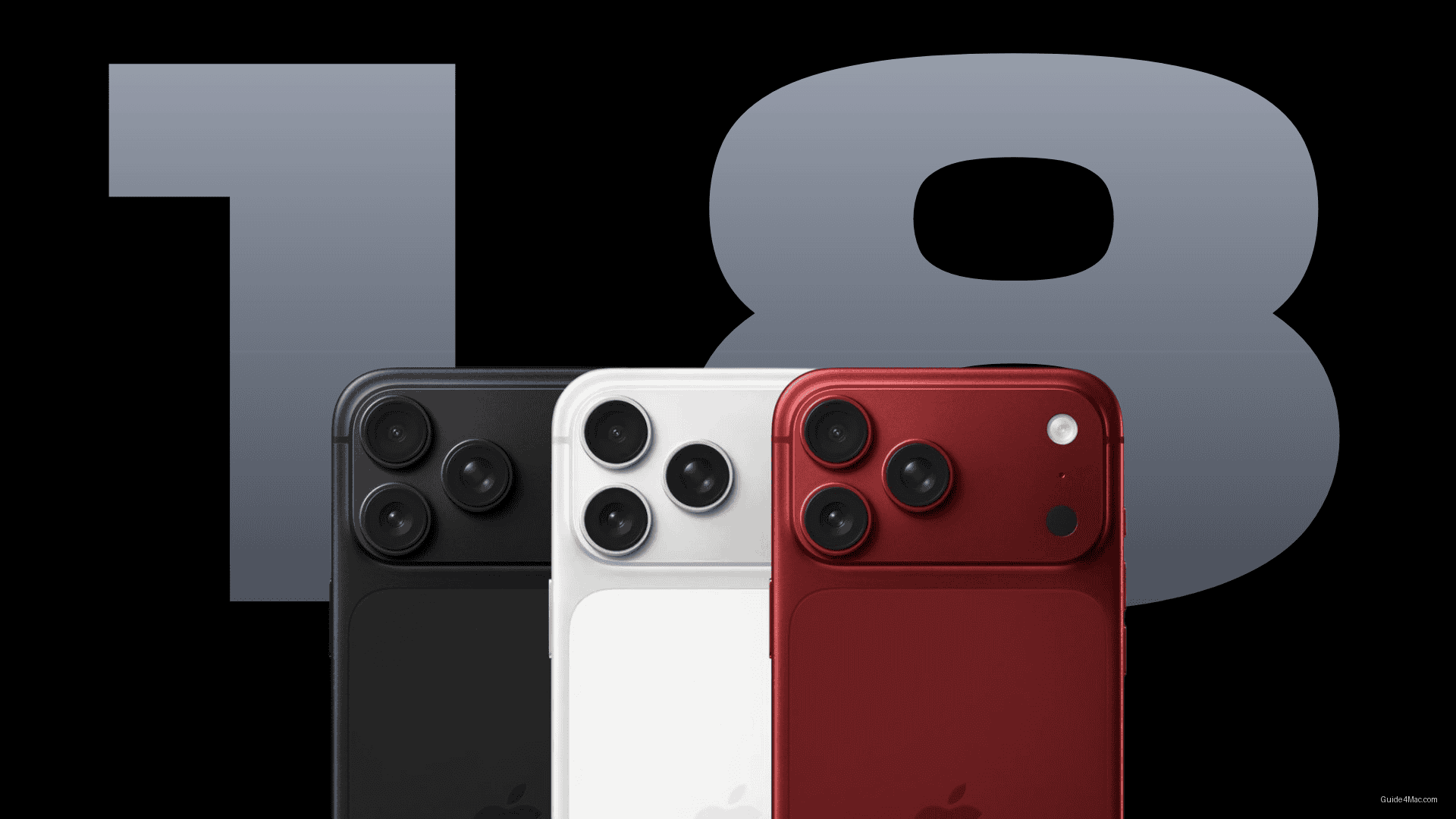
What You Need to Know
- Apple’s memory component costs for iPhone 18 Pro jumped from $39 to approximately $196 per device.
- AI demand and hyperscaler negotiating power reduced Apple’s leverage with memory suppliers significantly.
- Apple explored sourcing from China’s CXMT as alternative supply, but domestic AI demand limits viability.
- Memory upgrade pricing strategy that historically generated substantial profit margins now faces compression pressure.
Apple’s memory upgrade margins have long been a quiet profit engine. The company reportedly paid around $17 for 8GB LPDDR5X RAM and about $22 for a 256GB flash storage module, putting total memory component costs near $39, while charging customers roughly $99 to move up a storage tier. That gap funded comfortable margins on every Pro sold.
The iPhone 18 Pro models are expected to break that math in a meaningful way. Apple is now projected to pay around $145 for 12GB DRAM and about $51 for a 256GB flash module, pushing memory-related component costs close to $196. That is roughly five times what the company paid in prior generations.
Why Memory Got So Expensive So Fast
Two forces are squeezing supply simultaneously. AI demand has tightened the DRAM market broadly, and hyperscalers now carry more negotiating weight with suppliers than they did even two years ago, leaving Apple with less leverage than it once had. The margin math on Pro models already looked different heading into this cycle, and these component estimates make that picture harder to ignore.
Apple’s reported interest in sourcing from China’s CXMT suggests the company is actively hunting for supply alternatives. One analyst noted publicly that the CXMT conversation is unlikely to produce anything useful, partly because the situation was already a month old when it surfaced and partly because China’s own AI demand keeps domestic memory supply occupied. CXMT is not a clean escape valve.
If these cost estimates hold through production, Apple faces a straightforward problem: either absorb the margin compression, raise iPhone prices, or restructure upgrade pricing that customers have grown accustomed to. None of those options is painless. The upgrade tier model, where a $99 premium once covered a $39 component cost, simply does not survive a fivefold increase in what that component actually costs.




0 Comments