IPhone 18 Pro Moves Memory Off Main Chip to Beat Heat Throttling
What You Need to Know
- IPhone 18 Pro moves memory beside processor instead of stacking on top for better heat distribution.
- A20 Pro chip uses TSMC’s 2-nanometer process, enabling more power with lower energy consumption.
- Neural processing unit occupies larger die area, prioritizing on-device AI capabilities over other functions.
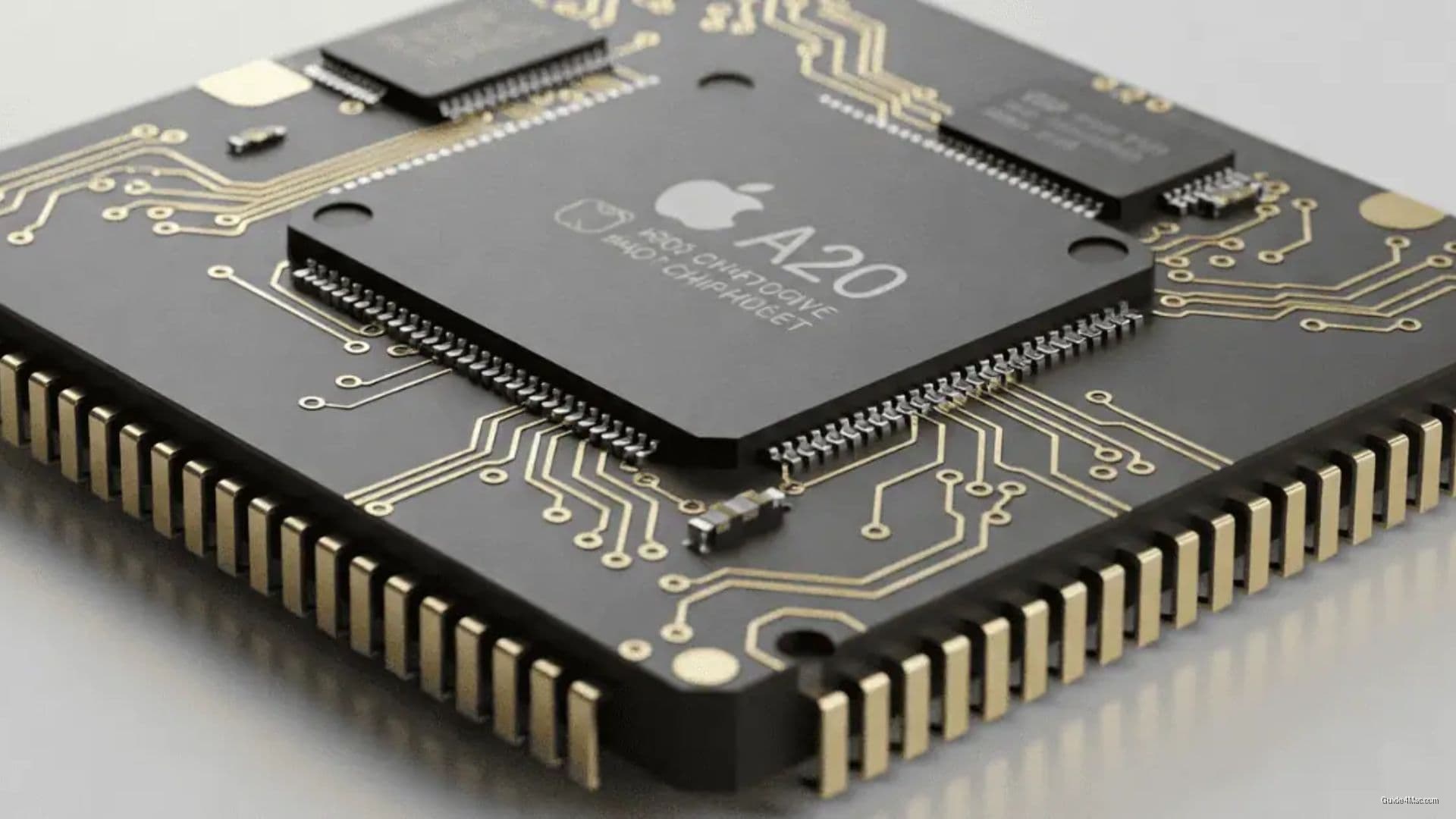
A circuit board photo circulating among Apple leakers offers the clearest hardware preview yet of the iPhone 18 Pro, and the most telling detail is not the processor itself but where the memory sits relative to it.
Previous iPhone generations stacked memory directly on top of the main chip, a compact arrangement that conserved battery but concentrated heat in a very small area. The leaked image suggests Apple is moving that memory to the side on pro models, allowing heat to spread across a larger surface. For users who push their phones hard, with video editing, gaming, or sustained AI workloads, that thermal breathing room translates directly into sustained performance rather than the throttling that kicks in when a chip gets too warm.
The board also shows the A20 Pro chip built on TSMC’s 2-nanometer process, a step down from the 3-nanometer node used in recent generations. Smaller transistors generally mean more processing power at lower energy draw, so the combination of a new memory layout and a tighter manufacturing process points toward a meaningful generational leap rather than an incremental one. Early expectations for the iPhone 18 Pro Max have consistently flagged this chip as the headline upgrade.
A Larger Neural Engine
The leaked board image also shows the neural processing unit occupying a noticeably larger portion of the chip’s die area, even though the overall chip size appears consistent with prior versions. Apple is effectively trading space from other functions to expand its on-device AI capacity.
That priority makes sense given where the industry is heading. On-device processing for AI tasks reduces latency and keeps data local, and a larger neural engine means the phone can handle more complex requests without offloading work to a server. Whether Apple’s software will fully exploit that headroom at launch is a separate question, but the hardware foundation is being laid deliberately.
The standard iPhone 18 may share some of these thermal improvements, though the source material suggests the side-mounted memory configuration is confirmed only for pro models at this stage.




0 Comments