OpenAI’s First Hardware Is a Codex Keyboard Shipping July 15
What You Need to Know
- OpenAI’s first hardware product is a compact keyboard for developers, shipping July 15.
- The keyboard features physical buttons mapped to shortcuts for Codex, OpenAI’s coding tool.
- OpenAI partnered with Work Louder to manufacture the device rather than building from scratch.
- The product positions AI tools as physical desk accessories rather than browser-based applications.
OpenAI’s first hardware product is not a phone, a headset, or the mysterious Jony Ive device the internet has been speculating about. It is a small keyboard, built for developers, shipping July 15.
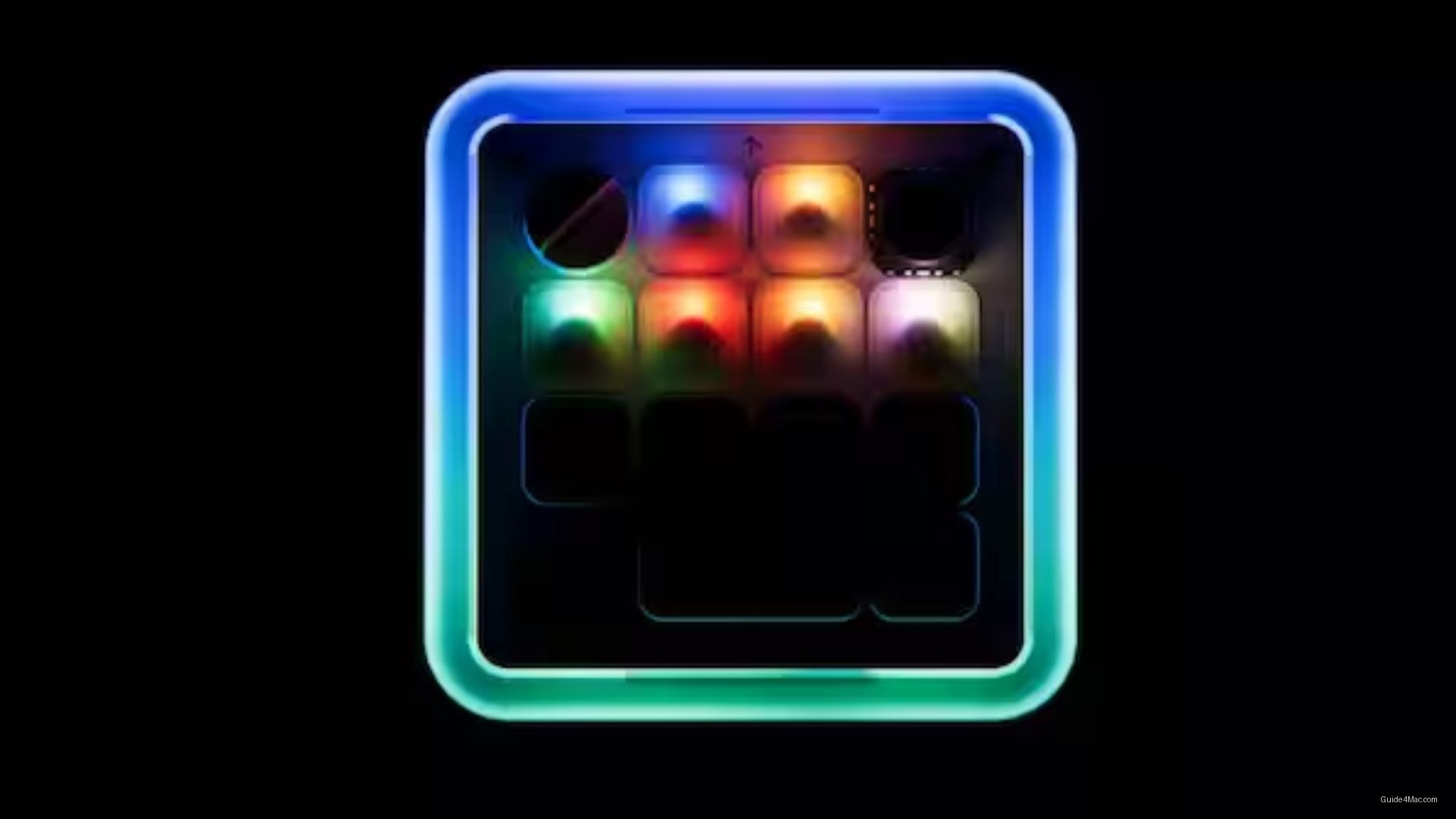
The company teased the product through its developer account on June 29, showing what appears to be a modified version of the Creator Micro 2, a compact board made by Work Louder. The device is built specifically for Codex, OpenAI’s coding tool, and gives users physical buttons mapped to their most common Codex shortcuts.
Work Louder is an established niche keyboard brand, which means OpenAI is not trying to manufacture hardware from scratch. Partnering with an existing maker is a lower-risk way to put something physical in developers’ hands without building a supply chain.
The framing here is telling. OpenAI’s developer account announced that “your favorite Codex shortcuts are getting an upgrade,” which positions this less as a hardware launch and more as a workflow accessory. The goal, readable between the lines, is to normalize AI tools as part of a physical desk setup rather than something you tab to in a browser.
The Bigger Hardware Picture
The Jony Ive collaboration still looms in the background. Ive, the designer behind the iMac, iPod, and iPhone, has been publicly linked to an OpenAI hardware project for some time, though no product details have surfaced. The Codex keyboard is clearly not that project. It is a smaller, focused release that happens to arrive while everyone is waiting for something larger.
Whether a dedicated AI keyboard finds an audience depends entirely on how deeply developers have integrated Codex into daily work. A physical shortcut layer only saves time if the underlying tool is already central to the workflow, which is the real bet OpenAI is making here.



0 Comments