IPhone 17 Production Cut Follows Record Sales Run
What You Need to Know
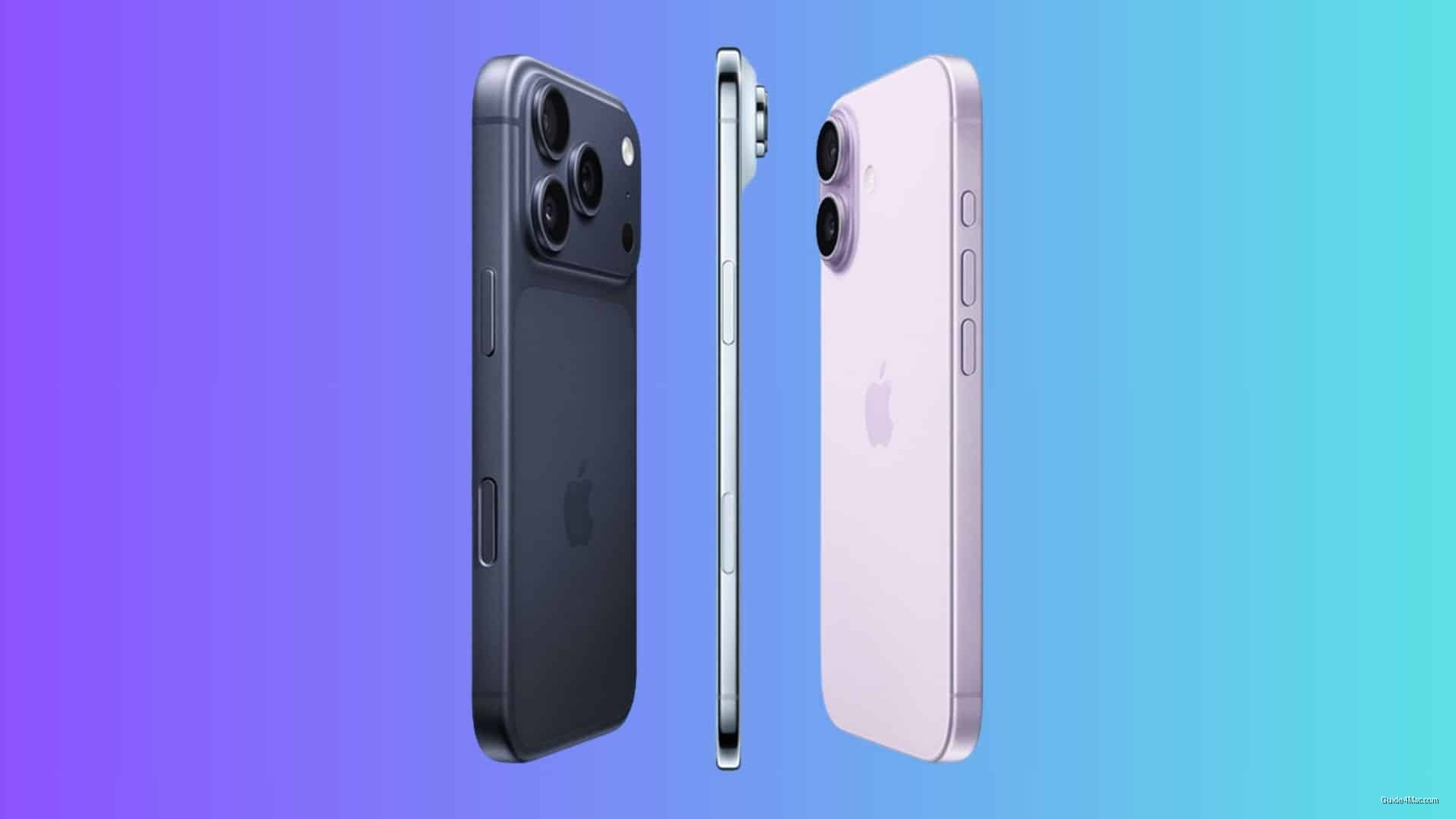
- Apple reduced iPhone 17 production forecast by approximately 15% due to weakening demand.
- IPhone 17 was world’s best-selling smartphone in Q1 2026 before demand declined.
- Major Android manufacturers including Xiaomi, OPPO, vivo, and Honor also cut production targets.
- IPhone 18 Pro and first foldable iPhone expected September, creating typical pre-launch purchasing pause.
Apple has trimmed its iPhone 17 production forecast by roughly 15%, according to supply chain leaker Fixed Focus Digital. The cut follows what has been an unusually strong run for the lineup, including a period earlier in 2026 when output rose sharply and the iPhone 17 claimed the title of world’s best-selling smartphone in the first quarter.
The leaker’s explanation is straightforward: demand that drove those record iPhone revenue figures is not expected to hold at that level much longer. That is less a warning sign than a description of how smartphone cycles work.
Apple is not alone in pulling back. The same report claims Xiaomi has cut its shipment target by 20% to 30%, while OPPO, vivo, and Honor have each reduced theirs by roughly 15% to 30%. A broad pullback across major Android brands makes a market-wide demand plateau more likely than a specific iPhone problem.
What comes next shapes the calculus
The timing aligns with the usual pre-launch lull. The iPhone 18 Pro and Pro Max are expected in September, and Apple’s first foldable iPhone is also part of that anticipated fall lineup. Buyers who were going to purchase an iPhone 17 have largely done so, and the next wave of upgraders tends to hold out once a new generation looks imminent.
The foldable’s arrival adds a variable that wasn’t present in previous cycles. Supply chain reports suggest component deliveries are already underway, which means Apple is simultaneously winding down one production ramp while building another.
A 15% cut after nine months of strong performance is, in context, an ordinary inventory adjustment. The more interesting question is how Apple manages production across three high-profile launches arriving in the same window.


0 Comments