IPhone 17 China Sales Fall 9% Despite CNY 2,000 Discounts
What You Need to Know
- IPhone 17 Pro sales in China fell 9% year-over-year during the 618 shopping festival despite CNY 2,000 discounts.
- Apple regained second place in China’s smartphone market but underperformed compared to iPhone 16’s prior-year promotional results.
- China’s overall smartphone market declined 13% during the same period, making Apple’s 9% drop smaller than most Android competitors.
- IPhone 16 cycle set unusually high baseline during last year’s 618, making current comparison partly a measurement problem.
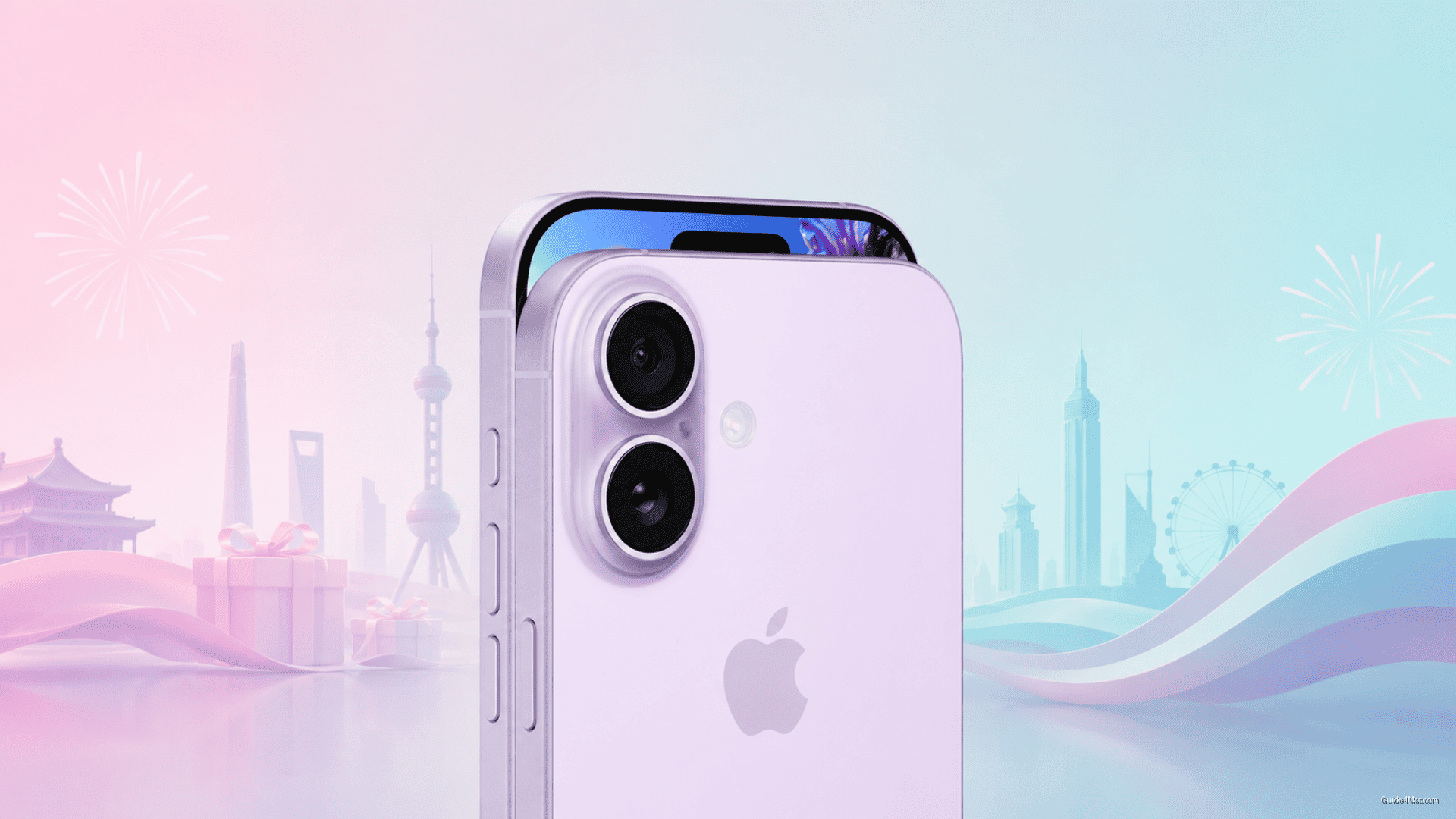
Apple’s iPhone 17 Pro discounts of up to CNY 2,000 were enough to push the company back to second place in China during the 618 shopping festival. They were not enough to beat last year’s numbers. According to Counterpoint Research data covering May 25 through June 21, iPhone 17 sales in China fell 9% year over year, even as Apple ran its promotional campaign roughly a month ahead of the actual 618 date.
The result is a qualified win at best. Apple recovered market position but gave ground on volume, and the comparison it lost to was its own prior-year performance, when the iPhone 16 lineup drove stronger promotional results during the same window.
Why Last Year’s Baseline Is the Real Problem
The 618 festival has become one of the two major annual stress tests for smartphone brands in China, alongside the November Singles’ Day period. Apple has historically been cautious about public discounting, preferring to work through platform partners and trade-in programs rather than cutting official prices directly. The CNY 2,000 package here combined official discounts, platform promotions, and trade-in incentives, which is consistent with how Apple has structured past festival participation.
The iPhone 16 cycle appears to have set an unusually high bar during last year’s 618. That makes the 9% decline partly a comparison problem rather than purely a demand problem, though the Counterpoint data does not separate those two effects cleanly.
China’s overall smartphone market dropped 13% during the same period, which means Apple’s 9% decline was actually smaller than the contractions recorded by most major Android competitors. Those brands fell between 12% and 33% year over year. That context matters: Apple lost less ground than the market as a whole, even while running against a tougher prior-year baseline than most of its rivals faced.
Huawei’s Position and the Memory Cost Factor
Huawei led the festival with a 21% market share and posted 19% year over year growth, the only major brand to report meaningful gains. The 19% share figure is a reminder of how Huawei has rebuilt momentum in its home market following years of U.S. component restrictions. Apple and OPPO each landed at 18%, followed by vivo at 17%, Xiaomi at 14%, and HONOR at 10%.
Counterpoint flagged rising memory prices as a structural headwind across the entire festival. Higher component costs pushed up device prices industry-wide, which limited how aggressively brands could discount and dampened consumer willingness to buy. That cost pressure is not unique to Apple, but it does constrain the discount headroom that Apple would need to drive higher volumes at the premium end of the market.
What the Rest of 2025 Looks Like
Smartphone makers are now expecting slower shipments across China for the remainder of the year, according to Counterpoint. Soft consumer demand combined with reduced promotional flexibility from memory cost inflation creates a difficult environment for volume growth, particularly in the premium tier where Apple competes. Separately, Counterpoint found the iPhone 17 was the world’s best-selling smartphone in a recent quarter, which shows the global picture is more favorable than the China-specific data suggests.
For Apple, the China situation heading into the second half of the year involves a narrowing set of levers. Discounting helped recover rank but did not recover volume. The battery specifications surfacing in Chinese regulatory filings for upcoming iPhone models suggest the next hardware cycle is moving through the pipeline, but that is still well over a year away from influencing festival sales.
For users in China considering an iPhone 17 Pro purchase, the post-618 environment typically sees promotional activity taper off until the next major shopping window. If Apple’s pattern holds, trade-in values and platform discounts will be the primary tools available outside of festival periods, rather than the combined packages that made the CNY 2,000 figure possible during the festival itself.



0 Comments