IPhone 15 and 16 Pro Users Get $25 to $95 for Missing Siri Features

What You Need to Know
- Apple paid $250 million to settle lawsuit over promised Siri features that weren’t ready at launch.
- IPhone 15 Pro, iPhone 16 models sold between June 2024 and March 2025 are eligible for compensation.
- Eligible buyers could receive $25 to $95 per device depending on claim participation rates.
- Advanced Siri capabilities remained unavailable when phones shipped despite being promoted during product announcements.
Apple agreed to pay $250 million to settle a class action lawsuit alleging it sold iPhones on the promise of Siri features that did not exist yet. The case cuts to something uncomfortable: the gap between what Apple’s marketing implied was ready and what its engineers had actually shipped. Settling without admission of wrongdoing is a legal formality, but a quarter-billion-dollar payout is not the behavior of a company that thought the claims were frivolous.
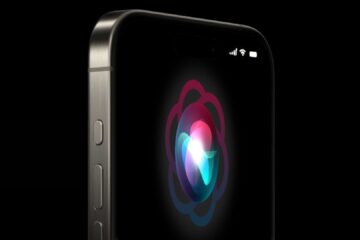
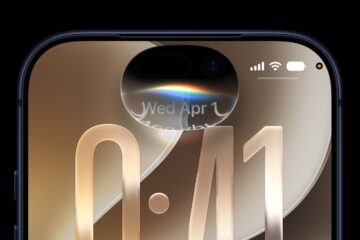
The suit centered on a specific promise. When Apple announced its newest devices, it promoted a version of Siri capable of understanding personal context and taking actions across apps. Buyers who upgraded to get those features found them missing from the software that actually shipped, and the updates that eventually arrived came late enough that a federal lawsuit had time to be filed, certified, and settled.
The Phones That Landed Before the Features Did
The eligible devices are the ones Apple was selling while the advanced Siri capabilities remained vaporware. To qualify for a payment, you must have purchased one of these iPhones in the United States between June 10, 2024, and March 29, 2025:
- iPhone 15 Pro
- iPhone 15 Pro Max
- iPhone 16, 16 Plus, 16 Pro, 16 Pro Max
- iPhone 16e
The settlement still needs final approval from a federal judge. Once that clears, eligible buyers should expect official notices by email and through a dedicated website explaining how to file a claim.
The payout per device is variable. Lawyers handling the case estimate a typical claimant will receive around $25, but if relatively few people submit claims, that figure could reach $95 per device. The final number depends entirely on how many eligible owners actually go through the filing process, which historically is a fraction of those who qualify.
A Pattern Bigger Than One Lawsuit
This settlement lands inside a broader story about how far Siri’s advanced AI rollout has fallen behind Apple’s own timeline. The features advertised were not delayed by a few weeks. The personal intelligence capabilities that defined the marketing campaign for the iPhone 16 generation are still rolling out in limited form, and the internal acknowledgment that Apple’s AI ambitions outpaced its execution has become one of the more significant admissions the company has made in years.
The geographic picture makes the delay harder to explain away as purely a technical problem. Siri’s AI features remain restricted in Europe due to regulatory friction, but the U.S. rollout has moved slowly regardless of those constraints. When the same features lag in a market with no regulatory obstacle, the explanation shifts from external pressure to internal readiness. That distinction is exactly what the lawsuit was built around.
Apple has also signaled that a more substantial Siri overhaul is being planned for WWDC 2026, which implicitly confirms that what shipped with the iPhone 16 generation was not the finished product the ads suggested. A settlement now, before that announcement arrives, keeps the legal chapter closed before a new round of promises begins.
What Eligible Buyers Should Do Now
If you bought a qualifying iPhone during the specified window, the practical step is straightforward: watch for an official notice by email or check for a settlement website once the court approves the deal. Filing a claim will likely take a few minutes and yield somewhere between $25 and $95, depending on participation rates.
If you are outside the United States, or if you bought your device outside the qualifying date range, this settlement does not apply to you. The EU regulatory situation around these same Siri features is a separate matter entirely, and no equivalent compensation mechanism exists there. For now, the refund is a U.S.-only resolution to a U.S.-only case.


0 Comments