Apple’s Intel Chip Deal Came With White House Tariff Strings
What You Need to Know
- Apple CEO Tim Cook lobbied against proposed 100 percent tariff on semiconductor imports in August 2025.
- White House tied tariff relief exemption to requirement that Apple route chip manufacturing through Intel plants.
- Apple pledged hundreds of billions in U.S. investment, though many investments were already planned beforehand.
- Apple and Intel agreed to manufacture chips for Mac laptops and iPhones with no confirmed timeline or volumes.
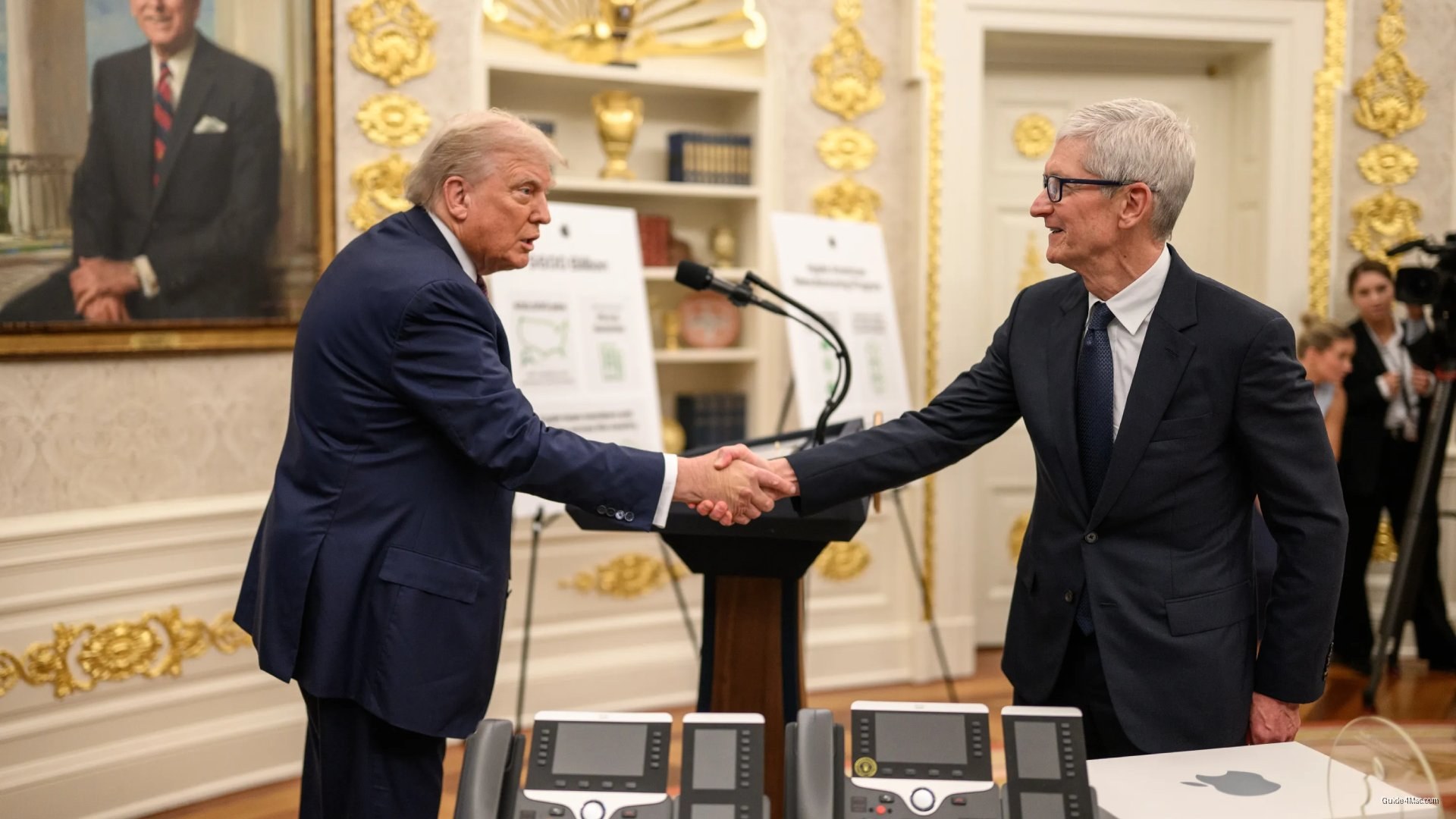
The White House’s role in brokering an Apple-Intel chip deal is the part of this story that deserves more attention than it has gotten. What looked like a voluntary corporate investment pledge turns out to have come with specific industrial strings attached, and those strings were tied directly to tariff relief negotiations that took place in Washington last summer.
Apple CEO Tim Cook traveled to Washington in August 2025 to lobby against a proposed 100 percent tariff on semiconductor imports. The tariff would have raised costs across the entire Apple product line, from iPhones to Macs. Apple reportedly secured an exemption after pledging to invest hundreds of billions of dollars in the U.S., though the Wall Street Journal notes many of those investments were already planned before the talks began.
During those meetings, President Trump and Commerce Secretary Howard Lutnick pressed Cook to route some of Apple’s chip manufacturing through Intel’s fabrication plants. That connection, between the tariff relief and the Intel arrangement, had not been previously reported before the Journal’s account. Trump later announced the deal on Truth Social, writing “We need to design and build our Chips right here in America,” and Intel shares hit record highs on the news.
What Apple and Intel Actually Agreed To
According to a person familiar with the negotiations cited by the Journal, Apple plans to have Intel manufacture chips for both Mac laptops and iPhones. No specific chips are named, no volumes are given, and no timeline exists for when Intel-made silicon might appear in shipping products. Apple has not commented on the arrangement, and as the Journal’s earlier reporting noted, neither company has officially confirmed anything.
TSMC is expected to remain Apple’s dominant supplier for custom silicon by a wide margin. Apple’s in-house chip design, which it has controlled since the A4 in 2010, runs entirely on TSMC’s processes. The Intel arrangement, whatever its eventual scope, appears to be a supplement rather than a replacement.
Intel’s Foundry Business and Why This Is Complicated
Intel’s foundry operation has been struggling in ways that go beyond normal competitive pressure. The division posted $10.4 billion in operating losses over its last four fiscal quarters, and outside customers have in recent years expressed doubt about Intel’s ability to reliably produce usable silicon at high volumes. Apple has historically avoided Intel as a foundry supplier for exactly these reasons, combined with a complicated history between the two companies that stretches back to the acrimonious end of their processor partnership in 2020.
The U.S. government converted $9 billion in federal grants into a 10 percent equity stake in Intel, making it the chipmaker’s largest shareholder. The WSJ report frames the Apple deal as part of a broader administration effort to stabilize Intel’s foundry business through political pressure on large technology companies. Nvidia and SpaceX have also signed Intel foundry deals since then, reportedly under similar circumstances.
What This Means If You Buy Apple Products
For most Apple users, nothing changes in the near term. There is no timeline for Intel-made chips to appear in consumer products, and the deal’s scope is undefined. Apple’s current product lineup, including devices that still carry chips from several generations ago, runs entirely on TSMC-fabricated silicon, and that will remain true for the foreseeable future.
The longer-term question is whether Intel can actually deliver. Apple’s chip designs push fabrication processes hard, and TSMC has spent years learning how to manufacture them reliably at scale. If Intel’s foundry business cannot meet Apple’s yield and performance requirements, the arrangement may remain symbolic regardless of what was agreed to in Washington. The deal may matter more to Intel’s balance sheet and the administration’s industrial policy goals than it does to the chips inside your next iPhone.

0 Comments