Apple Opens Cross-Device Pairing to Meta Glasses, Quest Headsets
What You Need to Know
- Apple building new API enabling third-party accessories to pair across user’s Apple devices like AirPods.
- Meta’s EU Digital Markets Act request triggered Apple’s decision to share cryptographic pairing materials with competitors.
- Apple plans to complete development by spring 2027, shipping feature shortly after in iOS release.
- Feature runs on AccessorySetupKit and Proximity Pairing frameworks, currently available only to EU users.
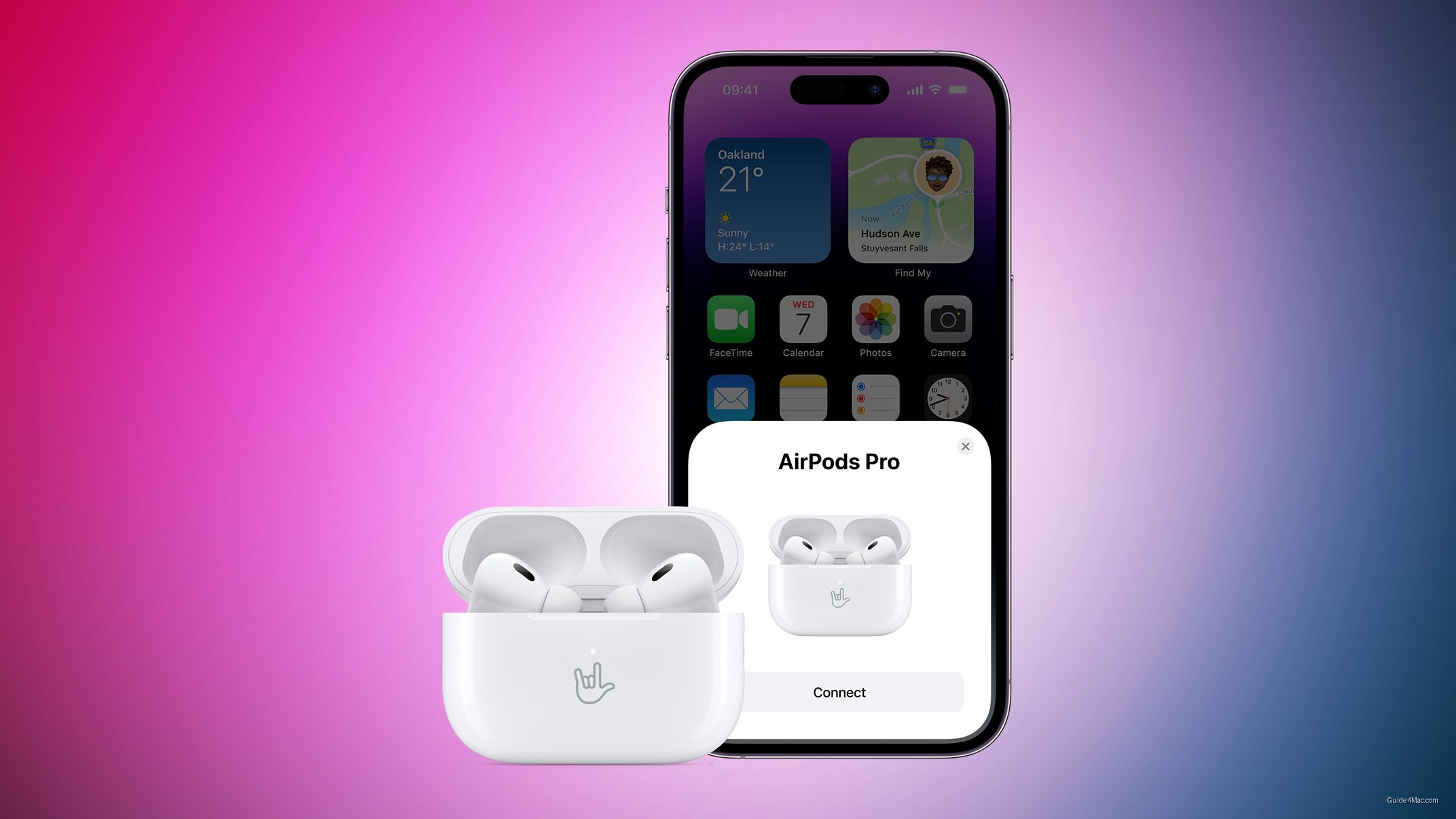
Apple is building a new API that would let third-party accessories like Meta’s Ray-Ban glasses and Quest headsets pair across a user’s Apple devices the same way AirPods do today. That capability has never been available to non-Apple hardware, and the gap has always made mixing an iPhone with third-party wearables more cumbersome than it needs to be. The trigger for this change is not an internal product decision but a regulatory one: Meta filed a formal request under the EU’s Digital Markets Act in October 2025, and Apple is now on record with a response.
Apple told Meta on February 4 that it plans to share the cryptographic materials that make a pairing completed on one device usable across a user’s other Apple devices. The implementation includes a session key and a one-time, per-accessory user consent prompt. Apple expects to finish development by spring 2027 and ship the feature “shortly thereafter,” which points toward an iOS 27.x release, though Apple has not confirmed a specific version number.
The Infrastructure This Runs On
The feature will run on AccessorySetupKit and Proximity Pairing, two frameworks Apple built specifically to comply with a March 2025 European Commission ruling. That infrastructure is already live for EU users in a limited form, enabling proximity pairing for third-party accessories. Everything here is EU-only for now, which matters a great deal for how useful the feature will actually be in practice.
AirPods have used Apple’s cross-device pairing since the original model launched in 2016, with the experience tightening considerably when iCloud-linked automatic switching arrived in 2020. The ability to pick up audio on whichever Apple device is in use, without re-pairing, became one of the most-cited reasons to stay within the Apple ecosystem for audio. Third-party makers have had no equivalent path, regardless of how good their hardware was.
The Digital Markets Act, which designated Apple a gatekeeper and imposed interoperability obligations, is directly responsible for opening that path now. Apple’s EU interoperability request page, where this plan is documented, shows the request is currently in phase three, meaning negotiation is ongoing but no formal dispute has been filed yet.
Where Meta and Apple Still Disagree
Meta has raised a real engineering objection: adopting AccessorySetupKit would require abandoning Core Bluetooth, which Meta uses for pairing everywhere outside Europe. Forcing a bifurcated codebase, one pairing stack for the EU and another for the rest of the world, creates exactly the kind of fragmentation that makes compliance expensive and slow. Meta has asked Apple to decouple the two systems.
Apple has declined so far. Its stated position is that support outside the EU “is something we are still considering,” which is not a commitment. The pattern here is familiar: the EU’s Digital Markets Act has repeatedly produced features that arrive in Europe with no timeline or guarantee for other regions, leaving manufacturers to decide whether to build around a geographically limited API or wait.
What This Means If You Own Non-Apple Wearables
If you are a Meta glasses or Quest owner using an iPhone, the practical benefit is straightforward: eventually, pairing once should be enough. No re-pairing when you switch from iPhone to iPad, no manual Bluetooth juggling. That experience will feel familiar to anyone who has used AirPods across multiple Apple devices, and it is the kind of friction reduction that makes a real difference in daily use.
The catch is timing and geography. Spring 2027 is nearly two years out, the feature ships in the EU only at launch, and Meta’s unresolved objection about Core Bluetooth could still complicate the rollout. Meta has not yet invoked the DMA’s formal dispute resolution process, which would require Apple’s Interoperability Request Review Board to respond within 30 working days. Until that mechanism is triggered, Apple’s current plan, its timeline, and its EU-only scope can all shift without any formal deadline forcing resolution.



0 Comments