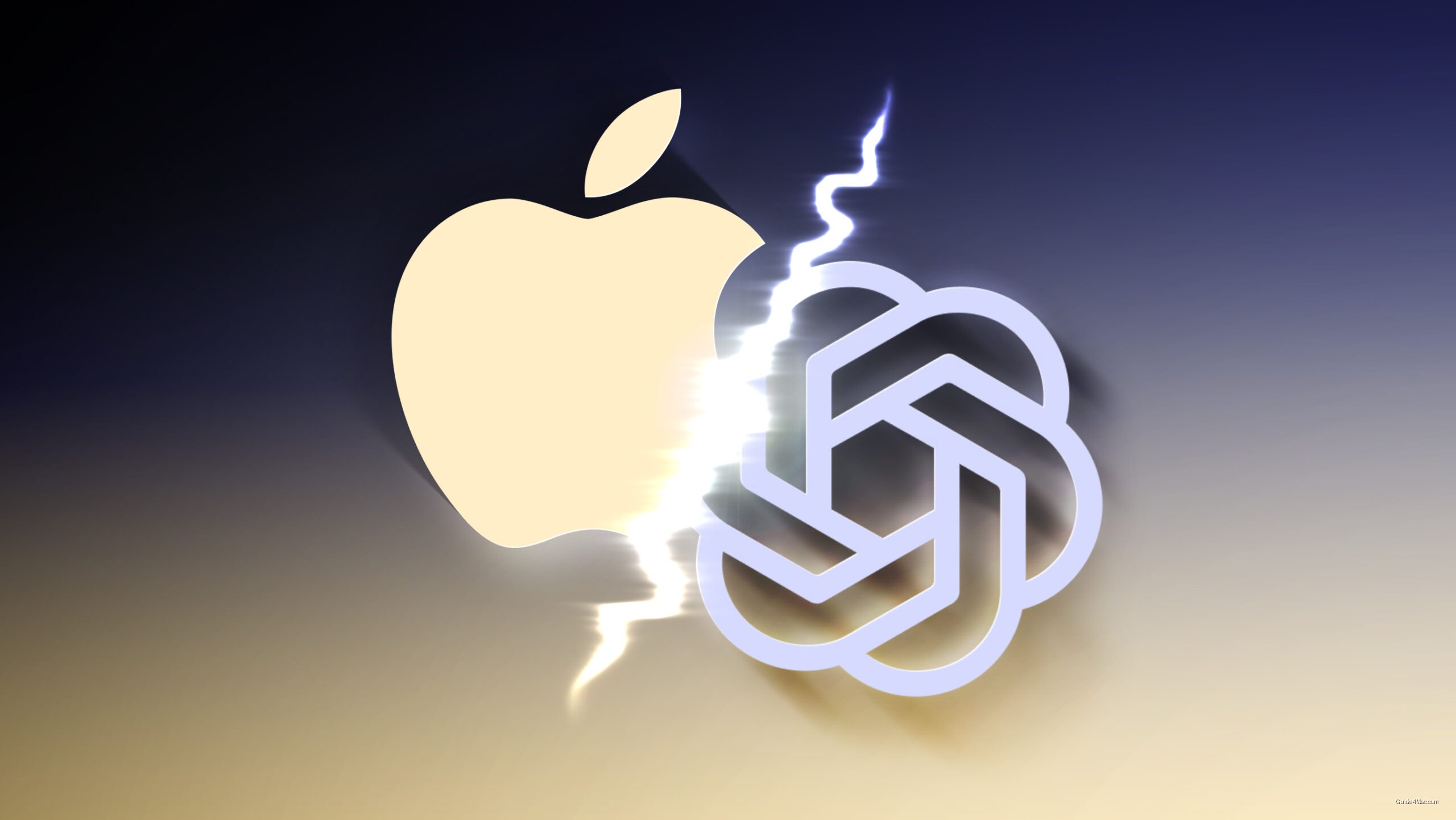
Apple Sues OpenAI Over iPhone Design Secrets, Aims to Slow Hiring
What You Need to Know
- Over 400 former Apple employees work at OpenAI, including former iPhone design chief Jony Ive.
- Apple offered retention bonuses up to $400,000 to iPhone product design team members to prevent departures.
- Apple alleges OpenAI pressured employees and candidates to disclose unreleased product details and coached them to evade security interviews.
- Apple’s lawsuit aims to obtain injunction, destruction of improperly obtained materials, and damages against OpenAI.
Apple’s lawsuit against OpenAI was filed to win in court, eventually. But according to Bloomberg’s Mark Gurman, it may already be winning somewhere else: in OpenAI’s hiring pipeline, its supplier relationships, and the engineering bandwidth available to build a phone that could one day compete with the iPhone.
The core allegation is that OpenAI pushed former Apple employees, and even candidates it was recruiting, to hand over details on unreleased Apple products. Apple also claims OpenAI coached new hires on how to sidestep Apple’s exit-interview security checks, using a document connected to former iPhone design chief Tang Tan. Apple is asking for an injunction, destruction of any improperly obtained material, and damages. A final court ruling could be years away. The pressure, Gurman argues, is arriving now.
The Talent Pipeline Apple Is Trying to Plug
More than 400 former Apple employees now work at OpenAI, including former design chief Jony Ive. The exodus hit Apple’s iPhone product design group hard enough that the company had to rebuild parts of the team. Apple responded with larger retention bonuses and executives personally lobbying engineers to stay. The retention bonuses offered to iPhone product design team members reached as high as $400,000, a figure that reflects how seriously Apple views the drain.
The lawsuit adds a new layer of friction to that flow. Apple employees considering a move to OpenAI now face the prospect of heightened scrutiny from Apple’s security team, simply for interviewing there. Former Apple employees already at OpenAI are likely to grow more cautious about discussing prior work, and managers may steer clear of technical questions that risk touching Apple’s confidential information.
That caution has a cost. New legal reviews, compliance training, and time spent on discovery and depositions pull engineers away from actual development. Senior leadership gets drawn into litigation instead of product decisions. None of this stops OpenAI from building hardware, but it slows the process in ways that don’t show up in a court docket.
Why Suppliers May Keep Their Distance
Apple’s reach into Asia’s consumer electronics supply chain is another pressure point the lawsuit activates without requiring a ruling. Suppliers with deep, long-standing relationships with Apple may be reluctant to take on OpenAI as a client, either to avoid jeopardizing those ties or to stay clear of the litigation itself. For a company trying to build manufacturing relationships from scratch, that reluctance is a real obstacle.
Bloomberg Intelligence assessed that Apple is likely to secure targeted preliminary relief tied to OpenAI’s device effort. Any such order would probably require disputed materials to be isolated, evidence preserved, and compliance certified, adding procedural weight to OpenAI’s hardware work before a single product ships. If Apple ultimately proves its trade secrets made it into OpenAI’s designs, OpenAI could be forced to redesign those products entirely.
What OpenAI Is Still Planning, and What Could Shift
OpenAI has not detailed its hardware roadmap publicly, saying only that it has “no interest in other companies’ trade secrets” and remains focused on its own technology. A person familiar with the plans told Gurman the company still expects to announce its first hardware product this year, with a release targeted for 2027, though that timeline could move as OpenAI reviews Apple’s claims.
That first device is reportedly far along. The harder problem is what comes after it. OpenAI has reportedly explored categories including smart speakers and wearables, with an iPhone-style device as the longer-term goal. Building out that broader family of products, which Gurman has previously described as central to OpenAI’s device ambitions, gets meaningfully harder if hiring is constrained, suppliers are skittish, and engineering time is absorbed by legal compliance.
For Apple users, none of this changes anything about the products on shelves today. Apple’s investment in its own infrastructure and its grip on the supply chain remain intact. What the lawsuit does is buy Apple time, and potentially a structural advantage, before OpenAI’s hardware ambitions move from roadmap to retail.


0 Comments