IPhone China Sales Surge 24.4% as Price Hike Warnings Drive Early Buying
What You Need to Know
- Apple’s iPhone shipments in China grew 24.4 percent year-over-year in Q2 2026, fastest among major brands.
- China’s total smartphone market contracted 4.3 percent to 66 million units, marking fifth consecutive quarterly decline.
- Apple’s market share in China rose from 13.9 percent to 18.1 percent, second only to Huawei.
- Apple and Huawei maintained prices while competitors raised them due to rising component costs, driving their growth.
Apple grew its iPhone shipments in China by 24.4 percent year over year in the second quarter of 2026, making it the fastest-growing major smartphone brand in a market that contracted overall, according to preliminary figures from IDC. Total shipments across China fell 4.3 percent to roughly 66 million units, the fifth consecutive quarter of decline. Apple and Huawei were the only large vendors to post growth.
The headline number is striking, but the more interesting story is what drove it: Apple’s own warnings about coming price increases pushed hesitant buyers off the fence early. “That gave hesitant buyers a reason to go ahead and purchase,” IDC analyst Arthur Guo said. The dynamic created a pull-forward effect that inflated Q2 figures at the direct expense of the second half of the year.
Apple’s market share in China climbed from 13.9 percent to 18.1 percent year over year, placing it second behind Huawei at 22.6 percent. Xiaomi suffered the steepest fall among major brands, with shipments down 21.7 percent.
Why Pricing Discipline Separated Apple and Huawei from the Pack
The divergence between Apple and Huawei on one side and most Android vendors on the other came down to a single decision made in late March. As memory and component costs rose alongside the AI infrastructure buildout, most Android brands passed those costs to consumers immediately. Apple and Huawei held prices steady and introduced targeted promotions instead.
The component cost pressure is not a short-term problem. IDC says storage prices are unlikely to ease meaningfully before 2027, and a broader market recovery is not expected until 2028 or 2029. Apple has already felt this pressure outside China too, with price increases landing across Macs, iPads, and other hardware at hikes of 10 to 20 percent on many products.
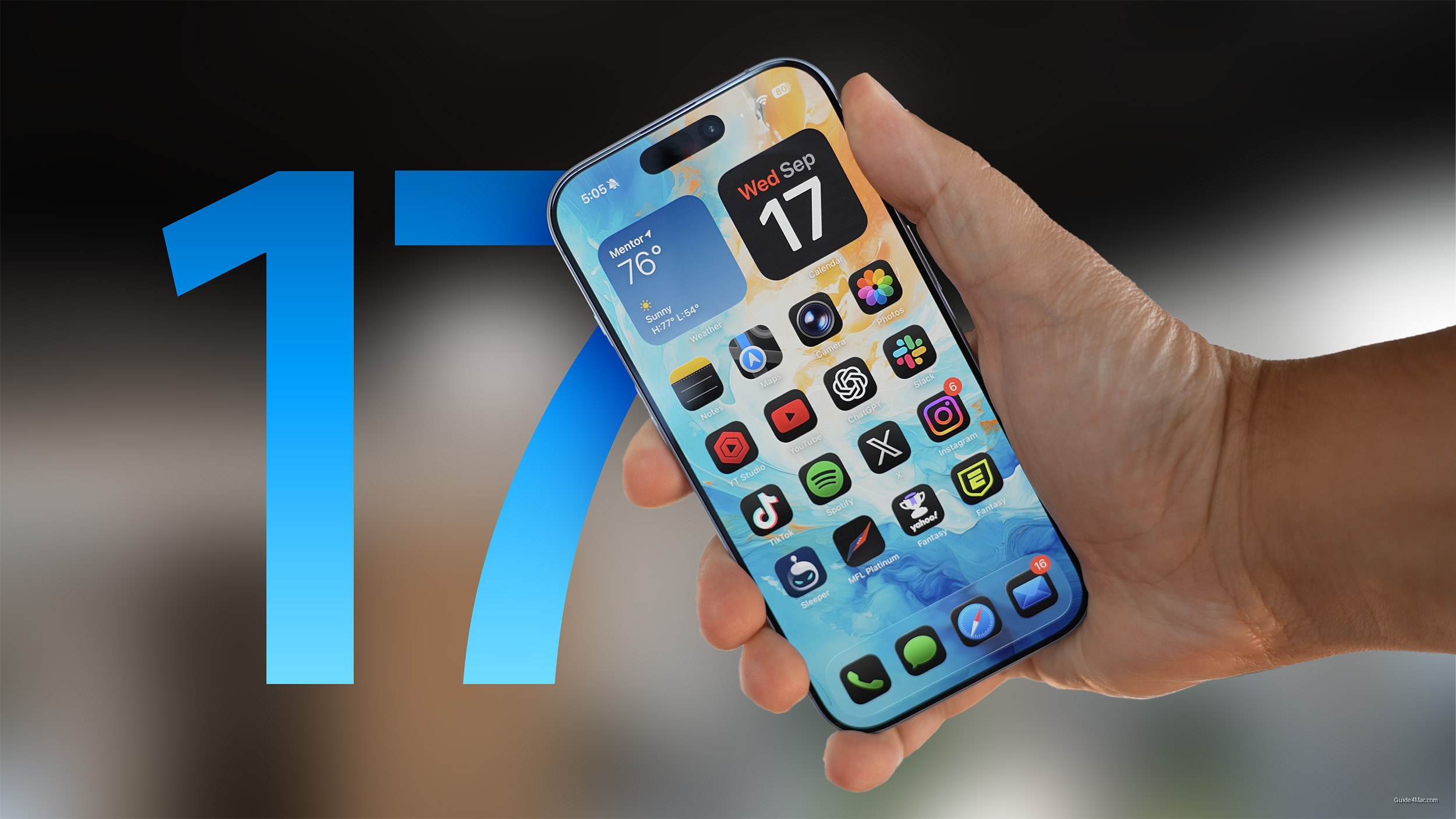
Huawei compounded the pricing advantage by widening its lineup to cover more of the market, a strategy that has served it well in China for years. Apple’s approach was narrower but effective: hold the line on iPhone 17 pricing long enough to let the anticipation of future increases do the selling.
A Strong Quarter Built on Borrowed Demand
The Q2 result almost certainly borrowed from Q3 and Q4. IDC forecasts that China’s year-over-year decline could widen to around 20 percent in the second half of 2026, right around when Apple is expected to launch iPhone 18 Pro models and its first foldable iPhone. That is a difficult backdrop for any launch, regardless of how much anticipation surrounds new hardware.
The 618 shopping festival, traditionally a reliable demand spike in China, fell nearly 15 percent compared to the same period in 2025. That weakness arrived even as Apple was posting its strongest quarterly growth numbers. The two data points together suggest the Q2 gains were concentrated in the earlier months, not spread evenly across the quarter.
This pattern fits what IDC observed in Apple’s Q1 performance in China, when the broader market was also sliding while Apple outperformed. The firm’s view is that consumers are postponing upgrades rather than abandoning smartphones entirely, which means the delayed demand should eventually return as a replacement cycle comes due around 2028 or 2029.
What This Means if You Are Watching Apple’s China Business
For Apple investors and analysts, the Q2 figure is real but needs context. A 24.4 percent growth rate in a shrinking market is a genuine competitive win, but it was partly manufactured by Apple’s own messaging about second-half price increases. The company essentially pulled demand forward, and the bill comes due when iPhone 18 launches into a market IDC expects to be significantly weaker.
For buyers, the practical read is simpler. If you are considering an iPhone 17 purchase in China or elsewhere, the pricing environment that made Q2 attractive is narrowing. The promotions that held prices steady through Q2 are unlikely to persist once new models arrive and component costs remain elevated through at least the end of 2026.



0 Comments