Mac Prices Jump 10 to 20 Percent as Memory Shortage Deepens

What You Need to Know
- Apple raised prices 10-20 percent across Macs, iPads, HomePod, Apple TV, and Vision Pro this week.
- Global memory shortage driving component cost increases, with suppliers forecasting shortage continues through 2027.
- Apple cutting higher-end M6 chip variants, focusing AI development on M7 chip launching mid-2027.
- OLED MacBook launching with existing M5 chips despite late 2025 or early 2026 arrival date.
Apple’s price increases arrived this week across Macs, iPads, HomePod, Apple TV, and Vision Pro, with most products seeing hikes of 10 to 20 percent and some climbing more than 50 percent. The driver is a global memory shortage that Apple says has produced component cost increases unlike anything it has seen before, with suppliers forecasting the crunch will last well into 2027. Tim Cook had flagged the increases as unavoidable the previous week, so the announcement itself was not a surprise. The speed and breadth of it was.
Buyers have been racing to Amazon and other third-party retailers to lock in older prices before those sellers update their own inventory costs. HomePod pricing has moved as well, a category where Apple already competes against cheaper smart speakers from Amazon and Google, making the increases harder to absorb than on flagship hardware.
Apple’s chip roadmap gets a quiet reshaping
The more structurally interesting story this week concerns Apple’s chip plans. According to Bloomberg, Apple is cutting higher-end variants from the M6 family entirely, pushing AI-focused development effort into an M7 chip targeted for the first half of 2027. Only a base M6 chip will ship later this year in lower-end Macs. The anticipated OLED touchscreen MacBook will reportedly launch on existing M5 Pro and M5 silicon despite arriving late this year or into early 2026, which suggests Apple prioritized the display milestone over waiting for newer chips.
On the software side, iOS 27 beta 2 landed this week with a “Write with Siri” button in first-party apps, RCS messaging improvements, Camera and Wallet tweaks, and the ability to update an Apple TV from an iPhone’s Home app. The natural language tools built into iOS 27 continue to expand with each beta cycle ahead of a September public release.
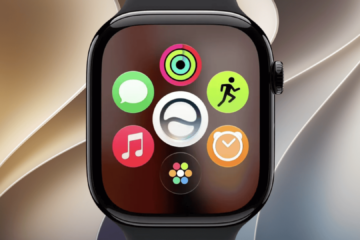
Apple Watch took a separate hit this week when Apple confirmed watchOS 27 will drop the Series 6, 7, 8, SE 2, and original Ultra. Apple told TechRadar the goal was making Apple Watch a “true co-partner to Apple Intelligence,” which required hardware sacrifices. Cutting three consecutive years of device support in a single release is without precedent for the product line.



0 Comments