Apple Joins Rivals on 50W Wireless Charging Standard by 2028
What You Need to Know
- Apple joined 20+ companies in Beijing to develop a unified 50W wireless charging standard by 2028.
- Current Android phones charge at 50W+ but only work with proprietary chargers from the same manufacturer.
- A universal standard would allow Apple devices and third-party hardware to reach equivalent charging speeds.
- Xiaomi’s low-voltage approach addresses heat management, a major constraint preventing faster universal wireless standards.
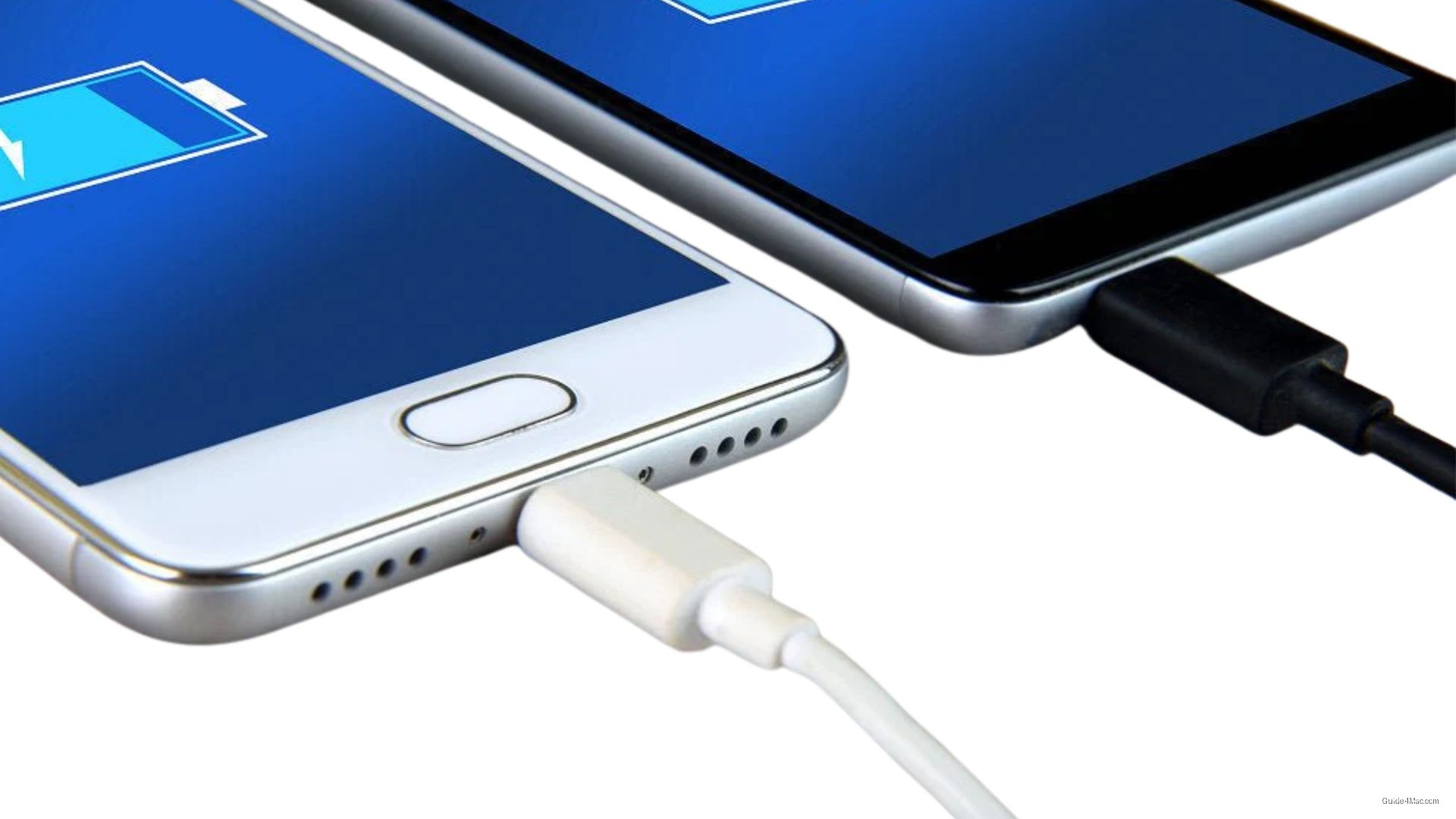
Apple sent representatives to a four-day meeting in Beijing hosted by Xiaomi, joining more than 20 companies to work toward a shared 50W wireless charging standard under the Wireless Power Consortium. The gathering included Google and other brands that ordinarily compete directly with each other. The target date for finalizing the specification is 2028.
The real story here is not the speed number. It is the interoperability problem the group is trying to solve. Phones from several Android manufacturers already charge at 50W or faster, but those speeds only work with proprietary chargers from the same company. Buy the wrong pad and you get slow charging, or nothing useful at all.
A Universal Standard Would Reshape the Accessory Market
For Apple specifically, the stakes are different. The company built its own wireless charging system around magnets and alignment, and it has kept fast wireless speeds inside that ecosystem. A ratified 50W Qi standard would mean Apple devices and third-party hardware could theoretically reach the same speeds without any brand-specific pairing.
Xiaomi brought its own low-voltage charging approach to the table, which is designed to keep devices cooler and thinner during fast wireless charging. That detail matters because heat is one of the main engineering constraints that has kept universal wireless standards slower than proprietary ones. Getting rivals to agree on a thermal management approach is often harder than agreeing on a wattage target.
The consortium spent the four days testing hardware prototypes alongside the policy discussions, which suggests the work is past the whiteboard stage. Still, 2028 is three years away, and the history of cross-industry charging standards includes plenty of agreements that took longer than planned to become products on shelves.
One charger that works quickly across any supported phone would simplify buying decisions and reduce accessory waste. Whether the 2028 timeline holds depends on how long rivals stay cooperative once the competitive pressure of product launches returns.


0 Comments