Apple Wins EU Trademark Fight Over Keyboard Logo
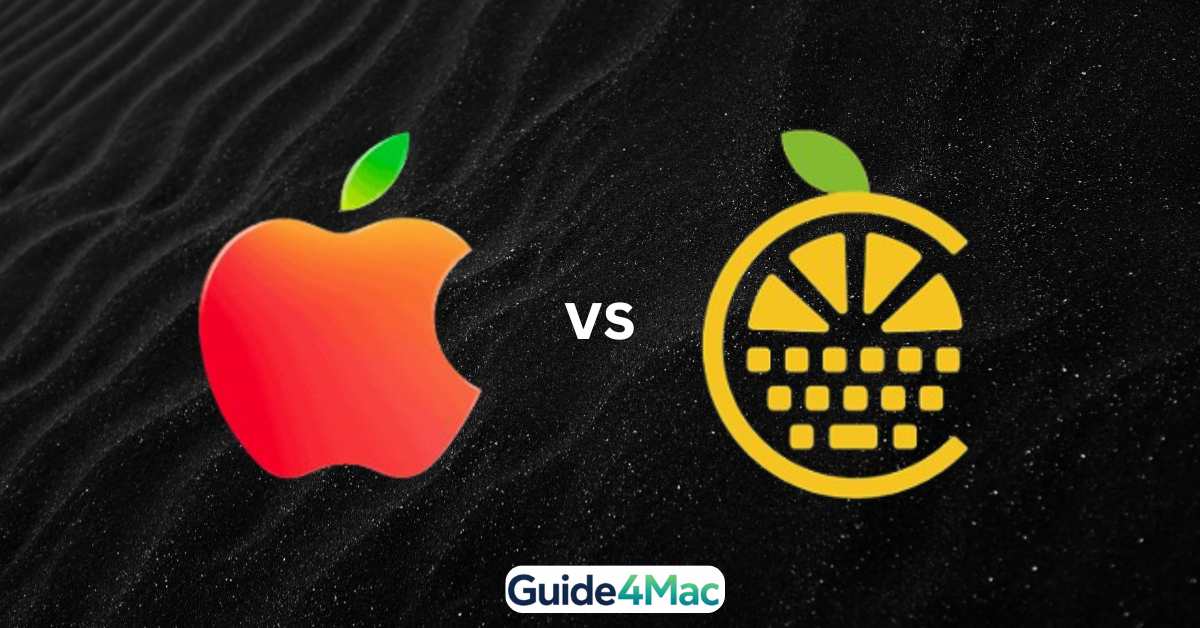
Apple has won an EU trademark dispute involving a citrus shaped logo used on keyboard products. The ruling strengthens Apple’s control over branding and highlights how aggressively the company protects its visual identity in Europe.
The case matters beyond legal headlines because it could affect accessory makers, online marketplaces, and the way third party Apple compatible products are branded in the future.
[Insert Image: Apple logo and keyboard branding dispute]
Why Did Apple Win The EU Trademark Fight?
European trademark authorities sided with Apple after determining the citrus shaped logo could create confusion among consumers.
Trademark disputes in the EU are not always about exact copies. Regulators often evaluate the overall visual impression of a logo, especially when dealing with globally recognizable brands like Apple.
The Logo Similarity Issue
The disputed logo reportedly appeared on keyboard related products and used a fruit inspired design language that Apple argued was too close to its own branding style.
Even though it was not a direct Apple logo copy, Apple claimed consumers could still associate the products with the company.
Why Apple Defends Branding So Aggressively
Apple treats branding as one of its most valuable business assets. The company regularly challenges logos, product names, and accessories that resemble its ecosystem too closely.
This is especially common in markets filled with Apple compatible products like keyboards, chargers, and wireless accessories.
Why This Matters For Accessory Makers
The ruling sends a strong message to third party accessory companies operating in Europe.
Brands Will Need More Unique Designs
Accessory makers may move away from minimalist fruit inspired logos or Apple like branding styles to avoid legal risks.
Companies that rely heavily on Apple inspired aesthetics could face increased scrutiny going forward.
Marketplace Listings Could Be Affected
Trademark disputes often impact online stores like Amazon and eBay. Products accused of infringement may lose visibility or even be removed entirely.
For buyers, this could reduce confusion between official Apple products and third party accessories.
If you regularly buy Apple accessories, learning how to check if AirPods are real using the serial number can help you avoid fake or misleading products.
More Focus On Certified Products
The ruling may also push accessory makers toward official compatibility programs instead of relying on Apple inspired branding.
Before purchasing expensive accessories, it is also smart to verify Apple warranty and AppleCare coverage to ensure you are buying legitimate products with proper support.
Apple Continues Protecting Its Identity
Apple’s EU trademark victory shows that even indirect logo similarities can trigger legal action when regulators believe consumers might be confused.
For accessory makers, the message is clear, unique branding matters more than ever. For consumers, the result could lead to a cleaner marketplace with fewer misleading Apple style products.
Key Takeaways
Apple won an EU trademark dispute involving a citrus shaped keyboard logo after regulators ruled it could confuse consumers. The decision reinforces Apple’s aggressive approach to protecting its branding and may push accessory makers toward more distinct identities. The ruling could also reduce misleading Apple style products across online marketplaces.
FAQ
EU regulators agreed the logo could create consumer confusion because of its visual similarity to Apple branding.
No. The case focused on overall appearance and branding impression rather than direct duplication.
Possibly. Some brands may redesign logos or packaging to avoid trademark disputes.
Apple protects its global brand identity to maintain trust and reduce marketplace confusion.


0 Comments