Apple Watch Battery Exemption Shields Sealed Design From EU Rules
What You Need to Know
- EU exempted sealed-battery wearables from 2027 battery regulation rules requiring user-replaceable batteries.
- Apple Watch and AirPods can maintain current sealed designs without redesign under the exemption.
- EU cited device destruction risk and water damage concerns as justification for the exemption.
- Original regulation aimed to reduce electronic waste by enabling user battery replacement.
The European Union quietly handed Apple and other wearable makers a significant regulatory reprieve, exempting sealed-battery devices from rules that would have forced a fundamental redesign of some of the most popular consumer electronics on the market.
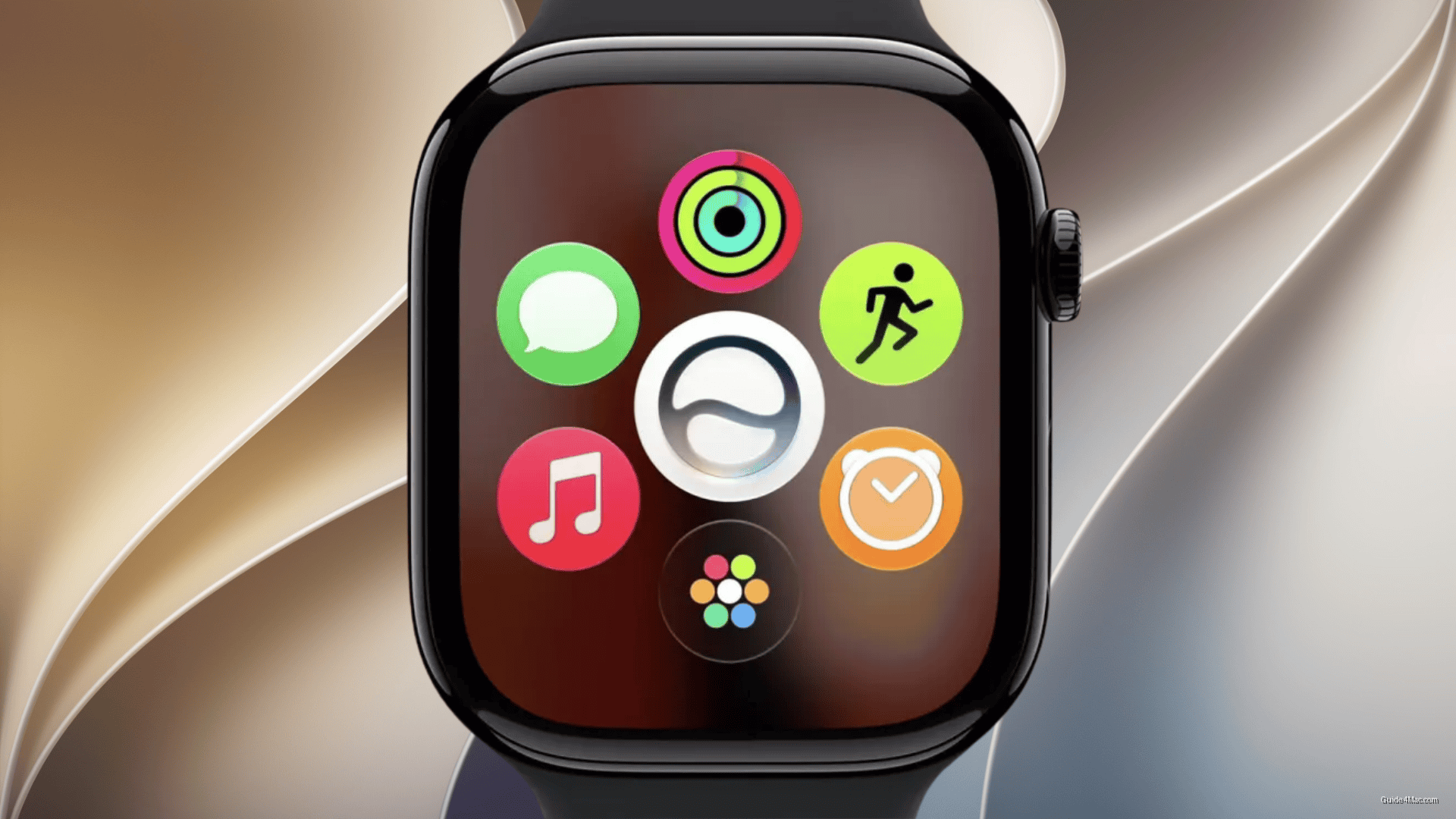
The exemption covers smartwatches, fitness trackers, smart glasses, and wireless earbuds. For Apple specifically, this means the Apple Watch and AirPods can continue shipping with their current sealed enclosures when the broader battery regulation takes full effect in 2027. No teardown-friendly redesign required.
The justification from Brussels centers on two practical concerns: that forcing open a sealed wearable to swap a battery could permanently destroy the device, and that improper resealing in wet-environment products creates a real water-damage risk. The European Commission says the exemption followed a broad public consultation, though critics have pointed to diplomatic pressure from US officials who pushed back against the original rules.
Why the Original Rule Would Have Been So Disruptive
The regulation at the center of this was designed with genuinely good intentions. Electronic waste is a serious and growing problem across Europe, and the logic was straightforward: if users can replace a dead battery themselves, a device lasts longer and generates less landfill. The original framework required manufacturers to build products where battery swaps were accessible without specialized tools or destroying the casing.
For most consumer electronics, that is achievable. For a device like the Apple Watch, it is not, at least not without a complete rethinking of how the hardware is assembled. Apple has spent years engineering the Watch’s water resistance, sensor integration, and compact form factor around a sealed chassis. A user-replaceable battery door on a device rated for swimming is a contradiction in terms.
The exemption also resolves a concrete commercial problem: Meta’s newest smart glasses had reportedly stalled on their European launch because of the integrated, non-removable battery design. Smart glasses are arguably the category where a removable battery is most structurally implausible, given how tightly components are packed into a frame that still needs to look like eyewear.
How Apple Has Navigated EU Regulation Before
Apple’s relationship with EU regulators has been complicated in recent years. The company has faced pressure on everything from USB-C adoption, which it eventually implemented, to App Store rules under the Digital Markets Act. On the interoperability front, Apple has at times sought broad exemptions from regulatory obligations only to find regulators unwilling to grant them wholesale. The battery exemption is a different dynamic: here, the technical argument that sealed designs serve safety purposes appears to have carried genuine weight with the commission.
The 2027 effective date gives manufacturers runway, but the exemption matters now because it removes design uncertainty. Companies investing in next-generation wearables today need to know whether their 2026 or 2027 products will require a fundamentally different chassis for European sales. That question is now answered.
What This Means for Apple Users
For anyone buying an Apple Watch or AirPods, nothing changes in the near term. The sealed design that has defined these products since their introduction stays intact, and there is no pending regulatory deadline that would have forced Apple to ship a different product in Europe than in the rest of the world. The 2027 date applies to the broader battery regulation, not to a modified version of it that would affect wearables.
The longer-term implication is that Apple’s current hardware approach is essentially validated for the European market through at least the end of this decade. Whether the exemption gets revisited in future regulatory cycles is an open question, but for now the path is clear. If you are planning a purchase and were concerned that European compliance pressure might push Apple toward a different wearable design, that concern can be set aside.



0 Comments