Apple Watch Controls 90% of Edge AI Smartwatch Market
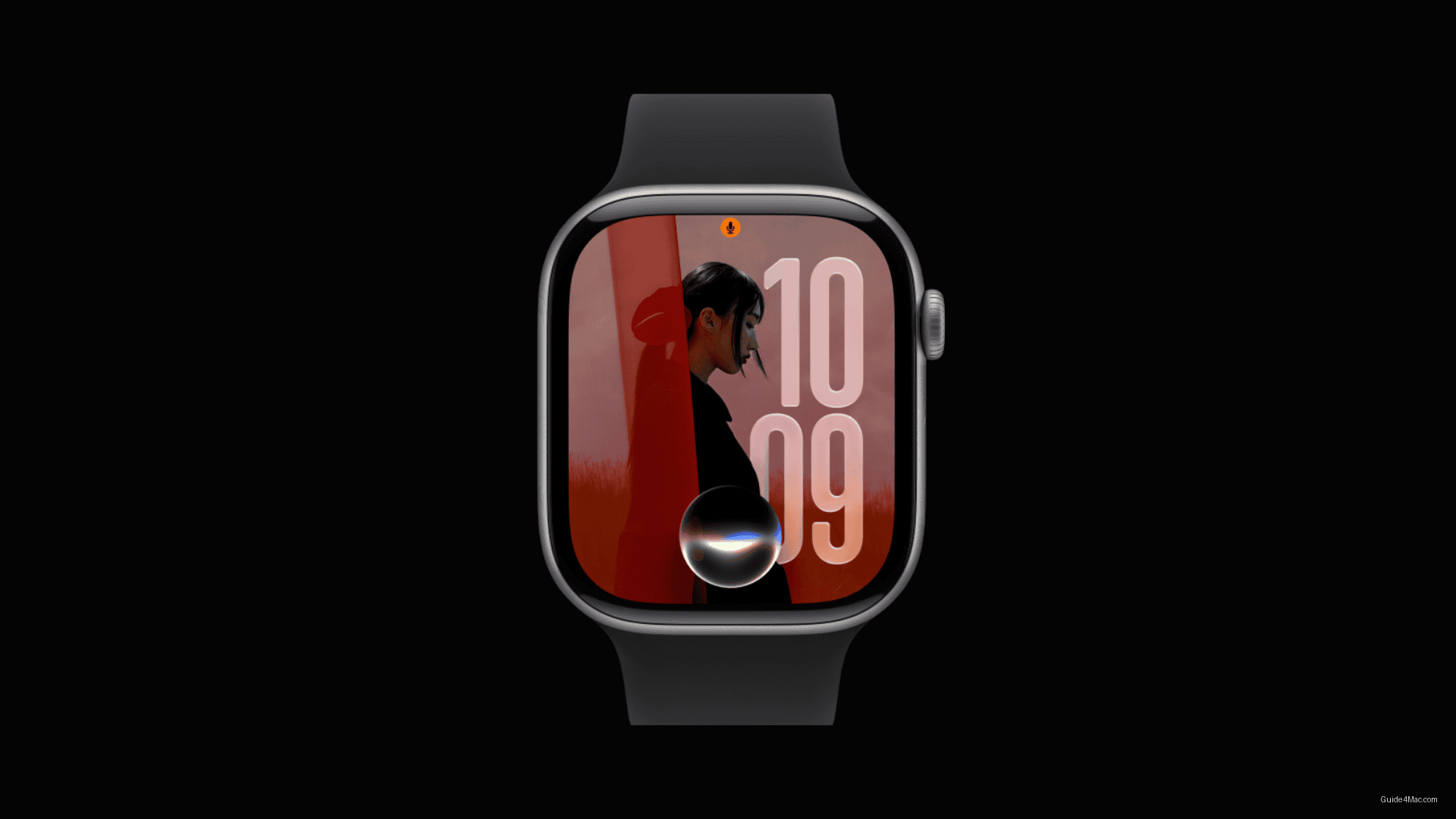
What You Need to Know
- Apple controls 90% of Edge AI-capable smartwatches shipped globally in Q1 2026.
- Edge AI adoption across smartwatch industry grew 70% year-over-year, reaching 25% of total shipments.
- Apple’s 2023 S9 chip with four-core Neural Engine established competitive advantage three years ahead of rivals.
- Huawei and Qualcomm launched competing chips in 2025 but have not achieved meaningful market scale yet.
Apple holds roughly nine out of every ten Edge AI-capable smartwatches shipped globally, yet the more telling number from Counterpoint Research’s first-quarter 2026 data is not the market share figure itself. It’s how fast the rest of the market is trying to catch up, and how much ground Apple’s chip decisions from three years ago already locked in.
Counterpoint Research found that Edge AI adoption across the broader smartwatch industry rose 70% year over year and reached 25% of total shipments in the first quarter of 2026. Apple accounted for nearly 90% of those Edge AI-capable shipments. The gap is large enough that every other manufacturer is, for now, essentially competing for the remaining tenth of a market Apple already owns.
How a 2023 Chip Decision Became a 2026 Moat
Apple’s lead traces directly to the S9 chip, introduced in 2023, which included a four-core Neural Engine purpose-built for on-device machine learning, allowing health and safety features to run inference locally rather than routing requests to an iPhone or a server. That architectural choice, made before “Edge AI” had become a marketing category, is now the foundation of Apple’s statistical dominance in the segment.
Competitors are moving, but they are moving later. Huawei introduced its Kirin W80 chip in 2025, and Qualcomm has announced plans to enter the space with its Snapdragon Wear Elite platform. Neither has shipped at a scale that registers meaningfully against Apple’s numbers in the Counterpoint data.
Counterpoint applies a specific threshold for what counts: a smartwatch only qualifies as Edge AI-capable if it includes a neural engine or NPU and uses that hardware to run at least one health, safety, or interaction feature directly on the device. That definition matters because it excludes watches that market “AI” features while still depending on cloud processing for the actual computation.
The Health Sensor Story Inside the Market Share Story
The categories driving Edge AI adoption reveal where smartwatch hardware is actually heading. Shipments of watches with blood pressure monitoring doubled year over year, while sleep apnea detection shipments tripled during the same period.
Apple Watch has carried sleep apnea detection and irregular heartbeat alerts as on-device features for several generations, which puts it in a natural position to benefit as those sensor categories grow. The pattern suggests that health monitoring, not fitness tracking or notification management, is the pull that is expanding the Edge AI smartwatch market overall.
This also connects to a broader Apple hardware push. The company has been working toward non-invasive blood glucose monitoring for years, and reports point to an expanding AI wearables lineup that could include smart glasses and AI-powered AirPods alongside the Watch. Each of those devices would presumably benefit from the same on-device inference architecture Apple has already established in the S9 and its successors.
What This Means If You Own or Are Buying an Apple Watch
If you already own an Apple Watch with an S9 chip or later, the health features you use daily, including fall detection and heart rhythm monitoring, already run on local inference hardware. You are not sending that data to a server for processing, which has privacy implications worth understanding even if Apple does not lead with them in marketing.
For buyers considering whether to upgrade, the Counterpoint data suggests that Edge AI capability is becoming a meaningful differentiator rather than a spec-sheet footnote. The broader AI infrastructure buildout, which has already pushed Mac and iPad prices upward, has not yet visibly inflated Apple Watch pricing, making the current lineup a relatively stable entry point into Apple’s on-device AI ecosystem. That window may not stay open indefinitely as the component costs of neural engines work their way through Apple’s product line.


0 Comments