Apple Watch Could Get Power-Efficient OLED Upgrade in 2026

What You Need to Know
- Apple may debut high-mobility oxide OLED technology in Apple Watch before iPhone models.
- LG Display’s HMO technology targets 30-50 cm²/Vs electron mobility, reducing display power consumption significantly.
- Apple previously tested LTPO refresh rate technology on Watch before expanding to iPhone Pro.
- LG Display must validate performance, reliability, and manufacturing yield before commercial HMO production begins.
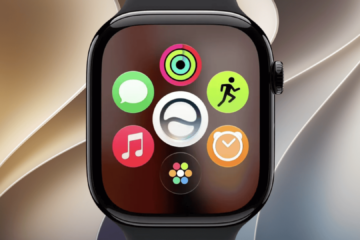
Apple may be preparing to put a new, more power-efficient OLED backplane technology into the Apple Watch before anywhere else, according to a report from Korean trade publication The Elec. The technology is called high-mobility oxide, or HMO, and it is being developed by LG Display on its sixth-generation OLED production lines.
The core idea is straightforward: higher electron mobility in the transistors that drive OLED panels means less power wasted pushing pixels. Current mass-produced oxide thin-film transistors run below 10 cm²/Vs of electron mobility. LG Display is targeting 30 to 50 cm²/Vs, which, if achieved, would allow displays to sustain always-on modes and variable refresh rates at meaningfully lower energy costs.
The Apple Watch as a test bed is not a new pattern. Apple used the Watch to introduce LTPO backplane technology, which enables dynamic refresh rate scaling, before bringing it to the iPhone Pro lineup. Seeding a new display technology into a lower-volume, lower-risk product first is a reasonable way to work through manufacturing unknowns before committing to iPhone-scale production.
Manufacturing Is the Open Question
LG Display is using a sputtering process to deposit the oxide layer, while Samsung Display is reportedly pursuing atomic layer deposition for similar goals. The two methods are not interchangeable, and neither company has confirmed commercial readiness. LG still needs to clear performance, reliability, uniformity, and yield thresholds before any product commitment is realistic.
The report suggests LG Display could begin supplying HMO panels for smartwatches as soon as next year, which would point to an Apple Watch launch in 2026. That timeline is aggressive given where validation currently stands, and supply chain reports at this stage often reflect aspirational schedules rather than locked plans.
Battery life has been a persistent constraint on Apple Watch design, partly because the flat, thin chassis leaves little room for a larger cell. A display that draws less power without requiring a physical redesign would be a quieter fix than the kind Apple usually announces at a September event.



0 Comments