Apple Watch Battery Exemption Clears EU Hurdle Through Meta Lobbying
What You Need to Know
- EU expanded battery regulation exemptions to include smartwatches, fitness trackers, and similar wearables.
- Apple Watch and AirPods received exemption after U.S. officials pressured EU over Meta smart glasses restrictions.
- Sealed device designs qualify for exemption due to water ingress risks and manufacturing constraints.
- Exemption takes effect 20 days after publication if European Parliament and Council raise no objections.
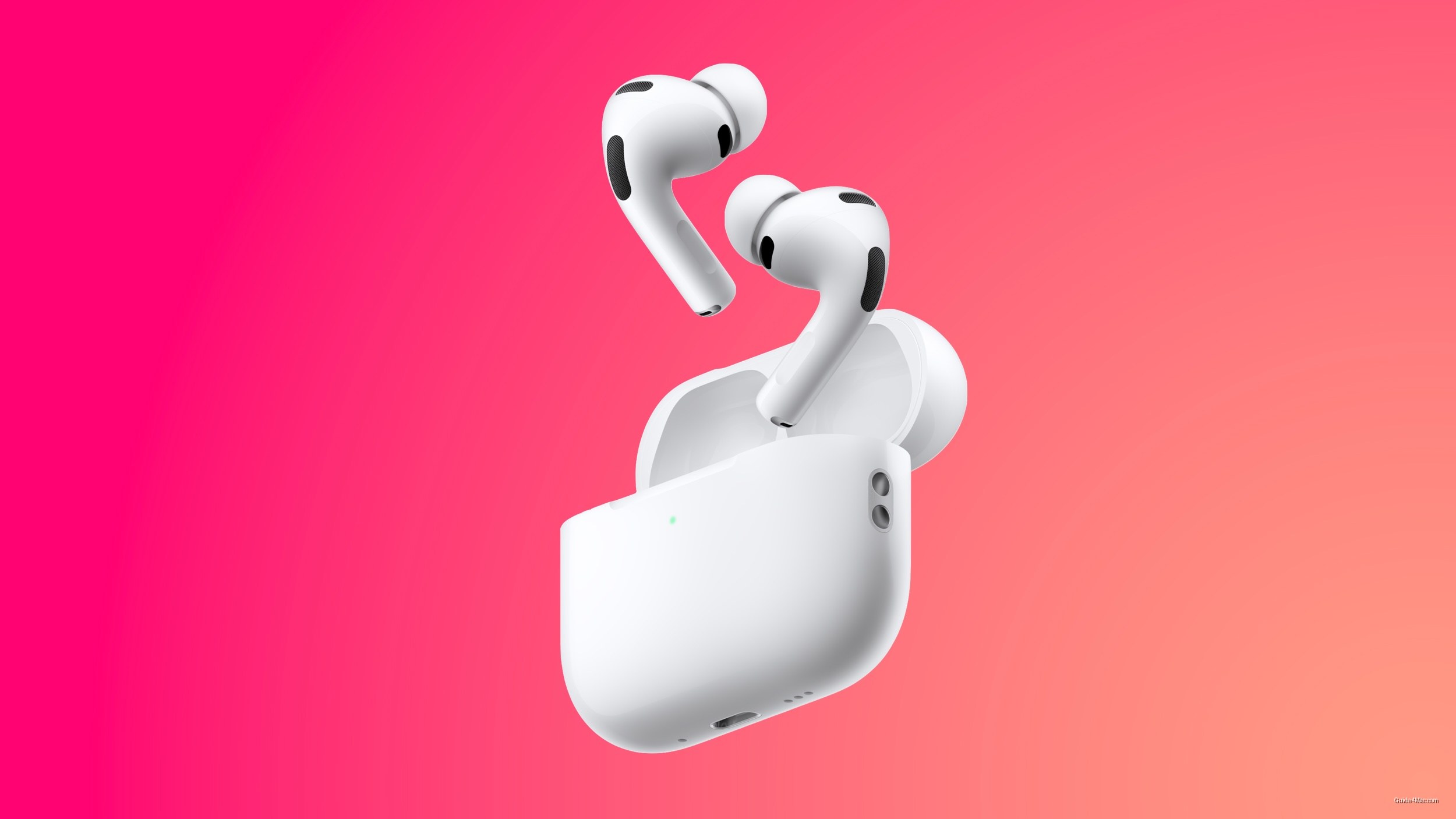
The EU’s new battery exemption for Apple Watch and AirPods arrived through a side door. The real story is not that Apple’s wearables got a carve-out, but that the exemption came after months of pressure from U.S. officials pushing back on rules that were blocking Meta’s newest smart glasses from the European market. Apple was effectively a beneficiary of a lobbying fight it did not lead.
The European Commission has expanded its list of exempt product categories under its Batteries Regulation to include smartwatches, fitness trackers, and similar wearables. The Apple Watch and AirPods, both built around small sealed enclosures, fall squarely within the new exemption, as do Meta’s smart glasses. The delegated act still needs to clear review by the European Parliament and the Council of the EU, taking effect 20 days after publication in the Official Journal if neither body raises objections, ahead of the regulation’s broader rollout in 2027.
Why Sealed Designs Got a Pass
The Commission’s reasoning for the exemption follows the same logic used earlier for devices like electric toothbrushes. Opening a compact, sealed enclosure and failing to close it correctly creates a real water ingress risk. Products also qualify if battery removal would be inherently dangerous or if current manufacturing methods simply make user-accessible battery doors impossible to implement without a fundamental redesign.
For a device like the Apple Watch, that redesign problem is not a minor engineering challenge. The watch’s water resistance, its tightly integrated sensor stack, and its thin profile all depend on a sealed construction, and the tradeoffs involved in making its battery user-removable would undermine the core product. AirPods present an even more extreme version of the same constraint: the batteries in each earbud are physically tiny and embedded in a form factor where there is no plausible location for a user-accessible hatch.
The iPhone was already exempt under the original regulation, owing to its battery cycle life and water resistance rating. Apple does offer battery service through Apple Stores, authorized service providers, and its Self Service Repair program, which allows owners to replace batteries at home on supported devices. Wearables, however, were never part of that program.
The Meta Factor Nobody Is Highlighting
The exemption was not quietly drafted in response to Apple’s product lineup. It followed months of pressure from U.S. officials specifically over rules that had reportedly complicated Meta’s plans to bring its newest display-equipped smart glasses to Europe. Apple’s products benefited from a regulatory fight centered on a competitor’s roadmap.
That context matters because it shapes how durable this exemption is likely to be. A carve-out driven by diplomatic friction between the U.S. and EU could, in theory, be revisited if that friction shifts. The delegated act still faces parliamentary and council scrutiny, and while objections are not guaranteed, the political circumstances that produced the exemption are worth keeping in mind.
What the Nintendo Contrast Reveals
Not every company got the same result. Nintendo has confirmed it will sell a version of the Switch 2 in the EU with a user-replaceable battery to comply with the incoming rules. That decision illustrates where the line sits: a handheld console is larger, less water-sensitive, and structurally more compatible with a replaceable battery door than a wrist-worn device or an earbud.
The broader Batteries Regulation is still on track for its wider rollout in 2027, and the exemption list will presumably remain a contested space as more wearable categories emerge. Manufacturers building products that sit at the edge of what qualifies, somewhere between a smartwatch and a medical device, will be watching how the Parliament and Council handle this delegated act.
For Apple users, the practical effect is straightforward: nothing changes about how Apple Watch and AirPods batteries are serviced. Apple’s existing repair channels handle replacements, and the EU exemption simply means Apple does not have to redesign those products for the European market. If you own an Apple Watch and want a battery replacement, the path runs through Apple or an authorized provider, same as it always has. The regulation’s 2027 deadline gives Apple no new urgency to expand self-service options for wearables, and nothing in the Commission’s action suggests that is coming.



0 Comments