Apple Music Classical Adds Wigmore Hall With 100% Royalties to Artists
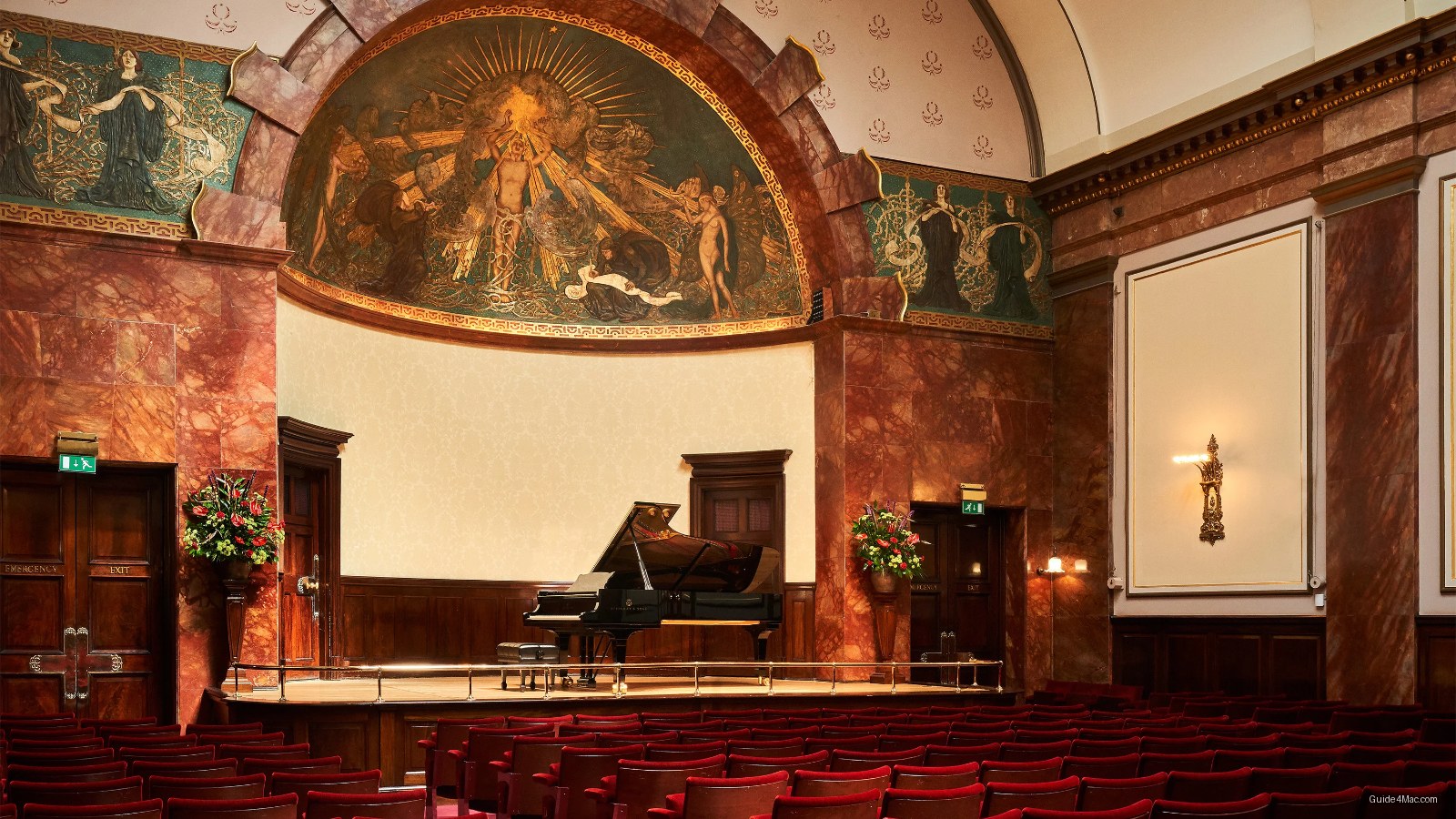
What You Need to Know
- Wigmore Hall covers all production costs and gives performers 100 percent of streaming income, unprecedented in classical recording.
- Most institutional deals recoup costs first, leaving artists with royalties only after accounting; Wigmore Hall reverses this model entirely.
- Wigmore Hall focuses on chamber music and solo recital, repertoire streaming services have historically struggled to present with depth.
- Boris Giltburg’s Beethoven sonata includes commentary track, demonstrating contextual presentation Apple Music Classical originally promised users.
The real story here is not the partnership itself but the royalty structure: Wigmore Hall is covering all production costs and passing 100 percent of streaming income to performers, which is nearly unheard of in classical recording.
Most institutional recording deals work the other way. Labels or venues recoup costs first, and artists see royalties only after a long accounting trail, if at all. Wigmore Hall flipping that model entirely, while limiting output to four releases per year, suggests a deliberate bet that scarcity and artist goodwill matter more than volume.
The Apple Music Classical angle is less surprising given the platform’s existing relationships with the Berlin Philharmonic, the Vienna Philharmonic, Carnegie Hall, and several other major institutions. What Wigmore Hall adds is something those partnerships mostly lack: a venue built around chamber music and solo recital, repertoire that streaming services have historically struggled to present with any depth or context.
The First Release
Boris Giltburg’s live Beethoven sonata recording is a reasonable debut for the model. The inclusion of a commentary track from Giltburg is a small but telling detail, pointing toward the kind of contextual presentation that Primephonic, the service Apple acquired in 2021 to build Apple Music Classical, originally promised its users.
The three-month exclusivity window on Apple Music Classical is standard for this type of deal and gives Apple a marketing hook without permanently restricting access. Whether four releases per year generates enough catalog to matter is a question the model will answer slowly.
Wigmore Hall’s 125th anniversary gives the relaunch a convenient narrative frame, but the financial terms are the actual news. If the royalty structure holds and artists notice, it could create some pressure on how other venues structure similar deals.




0 Comments