MacOS Next Release Ditches Liquid Glass for Readability Fix
What You Need to Know
- Apple’s next macOS prioritizes performance improvements and redesigns Liquid Glass interface criticized for poor readability.
- Liquid Glass design drew complaints about low contrast, hard-to-read menus, and transparency effects on larger displays.
- Updates target shadow rendering, transparency behavior, and contrast levels to improve text legibility across system menus.
- Performance-focused release follows pattern of Snow Leopard, suggesting Apple spent cycle fixing existing issues rather than adding features.
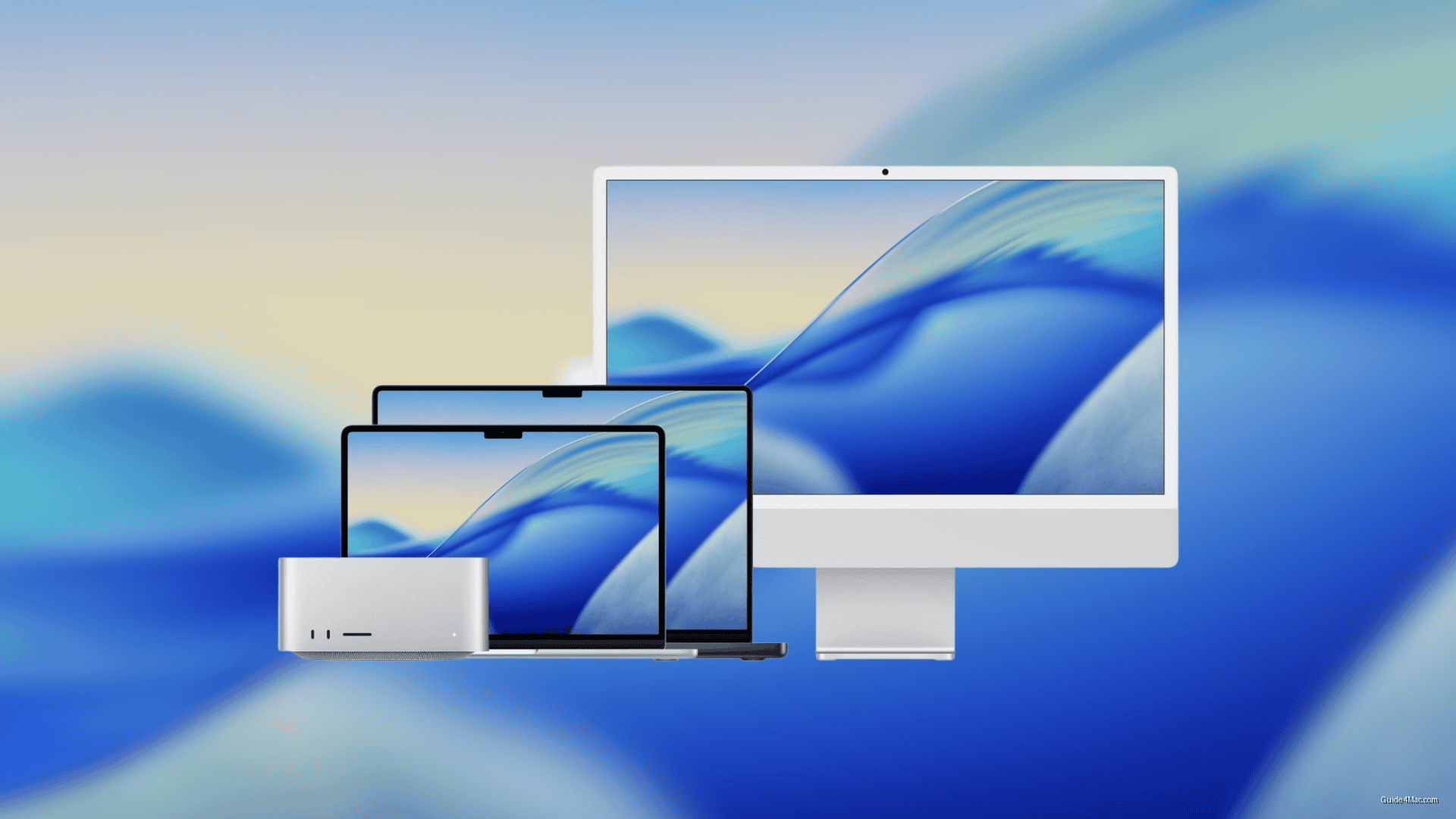
Apple’s next macOS release is shaping up to be a deliberate course correction on two fronts: performance-first engineering and a visual overhaul of the Liquid Glass design that landed poorly on larger screens last year.
The Snow Leopard comparison being floated in reports is doing a lot of work here. That 2009 release is practically mythologized among Mac users because Apple spent an entire development cycle fixing what it had already shipped rather than adding to the pile. Invoking that precedent sets expectations clearly, and Apple almost never does quiet years by accident.
The design story is the more telling one. Liquid Glass was introduced system-wide last cycle, but the desktop implementation drew consistent criticism for poor contrast, hard-to-read menus, and transparency effects that looked better in a keynote than on a 27-inch display at hour six of a workday. Sources now characterize that rollout as rushed, which is a candid admission for a company that usually controls its narrative tightly.
The reported fixes target:
- Shadow rendering across system menus and windows
- Transparency behavior in contexts where readability suffered
- Overall contrast levels affecting text legibility
What the timing reveals
This release lands as Apple Silicon Macs are maturing past their initial novelty. Machines running M3 and M4 chips are already fast, so a software update that makes them feel noticeably faster is either a sign that previous macOS builds left real performance on the table, or that the gains will be modest and the framing is doing heavy lifting.
Either way, the audience for a stability-focused release is large and has been patient. Mac users who bought machines in the last two years and watched macOS grow buggier with each point update have a reasonable case that Apple owes them this one.



0 Comments