Apple Intelligence Now Relies on Google’s Gemini Models
What You Need to Know
- Apple replaced some homegrown AI models with Google’s Gemini technology for its intelligence platform.
- New models add multimodal capabilities including image understanding, generation, and improved photo editing.
- System orchestrator routes requests across apps while maintaining Private Cloud Compute for privacy protection.
- Partnership with Google complicates Apple’s previous messaging about data minimization and on-device processing advantages.
Apple has quietly handed Google a seat at the center of its AI platform, replacing or supplementing its own foundation models with ones co-developed using Gemini technology. That is a notable reversal for a company that spent the past year positioning Apple Intelligence as a homegrown capability, distinct from the cloud-dependent approaches of its rivals.
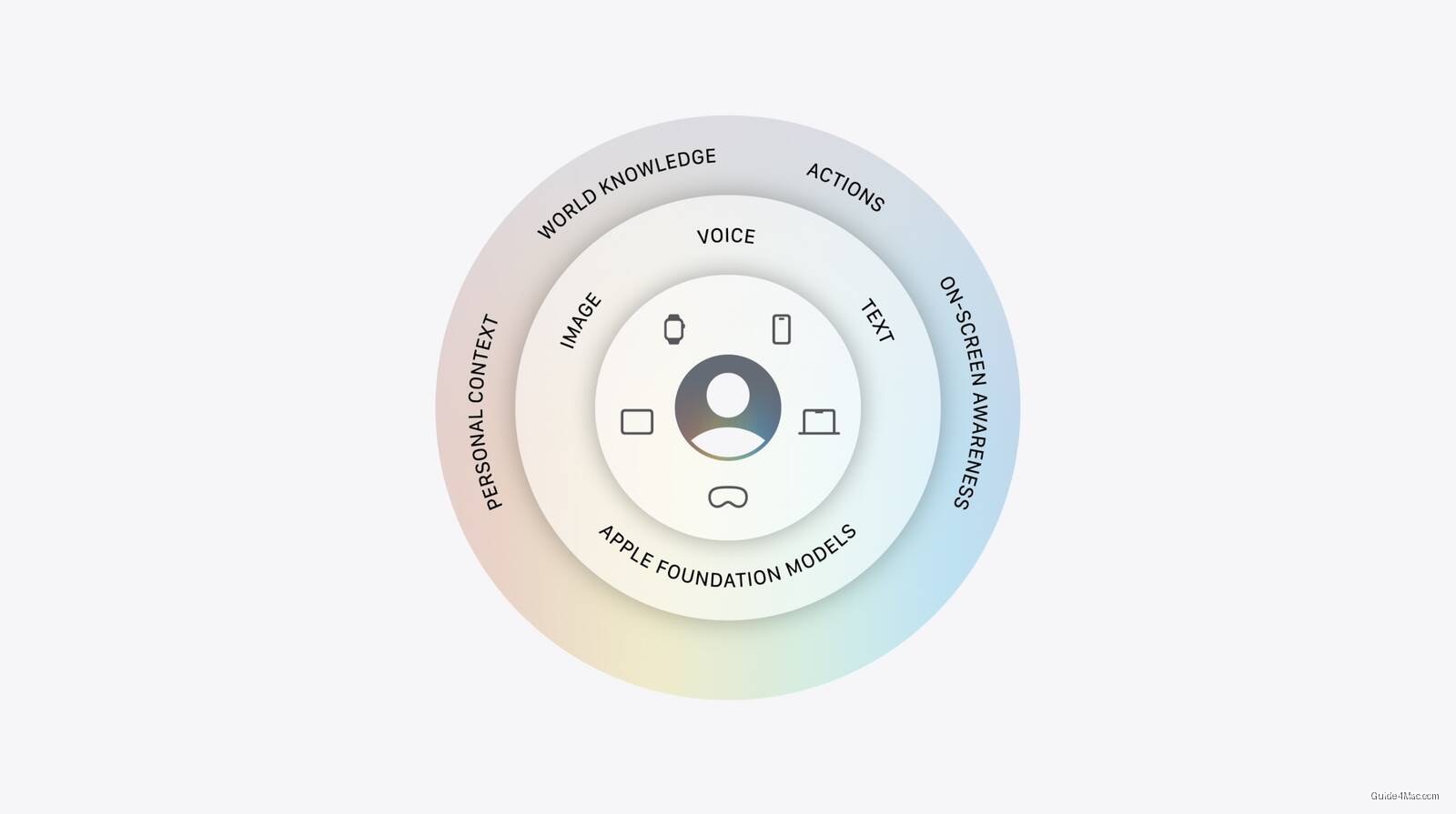
The practical stakes are real. The new models bring multimodal support, meaning image understanding and generation, visual question answering, and more capable photo editing. A higher-tier version of the model adds speech generation and improved dictation, though Apple has not said which devices qualify for that tier, which is the kind of detail that tends to matter a lot once the update ships.
A new system orchestrator sits at the architecture’s core, routing requests across apps and contexts while keeping Private Cloud Compute as the privacy backstop. Apple’s framing here is that the orchestrator enables “truly system-wide intelligence,” a phrase that gestures at something the original Apple Intelligence launch promised but largely did not deliver.
The Google Question
The collaboration raises an obvious tension. Apple spent considerable effort distinguishing its AI approach from competitors by emphasizing on-device processing and data minimization. Partnering with Google, whose entire business model depends on data, does not invalidate those privacy claims, but it does complicate the story Apple has been telling.
Apple says user data is used only to execute the immediate request and is never accessible to Apple or third parties, with the added assurance that outside researchers can verify this “at any time.” That last clause has been in Apple’s privacy language for a while and refers to the ability to inspect Private Cloud Compute’s software stack, not to audit live requests.
What has effectively happened is that Apple acknowledged its own models were not competitive enough to carry the platform forward, less than a year after launch. The Google partnership is a pragmatic fix, and probably the right call, but it lands awkwardly against the company’s own recent messaging.


0 Comments