Spotlight Gets Conversational Siri in macOS 26
What You Need to Know
- Command-Space will open Spotlight with conversational Siri capabilities in macOS 26.
- Siri will retain context across multiple questions without requiring users to restate premises.
- Spotlight integration leverages existing user habits rather than requiring new interaction patterns.
- Apple’s on-device processing approach remains unconfirmed despite emphasis on local AI capabilities.
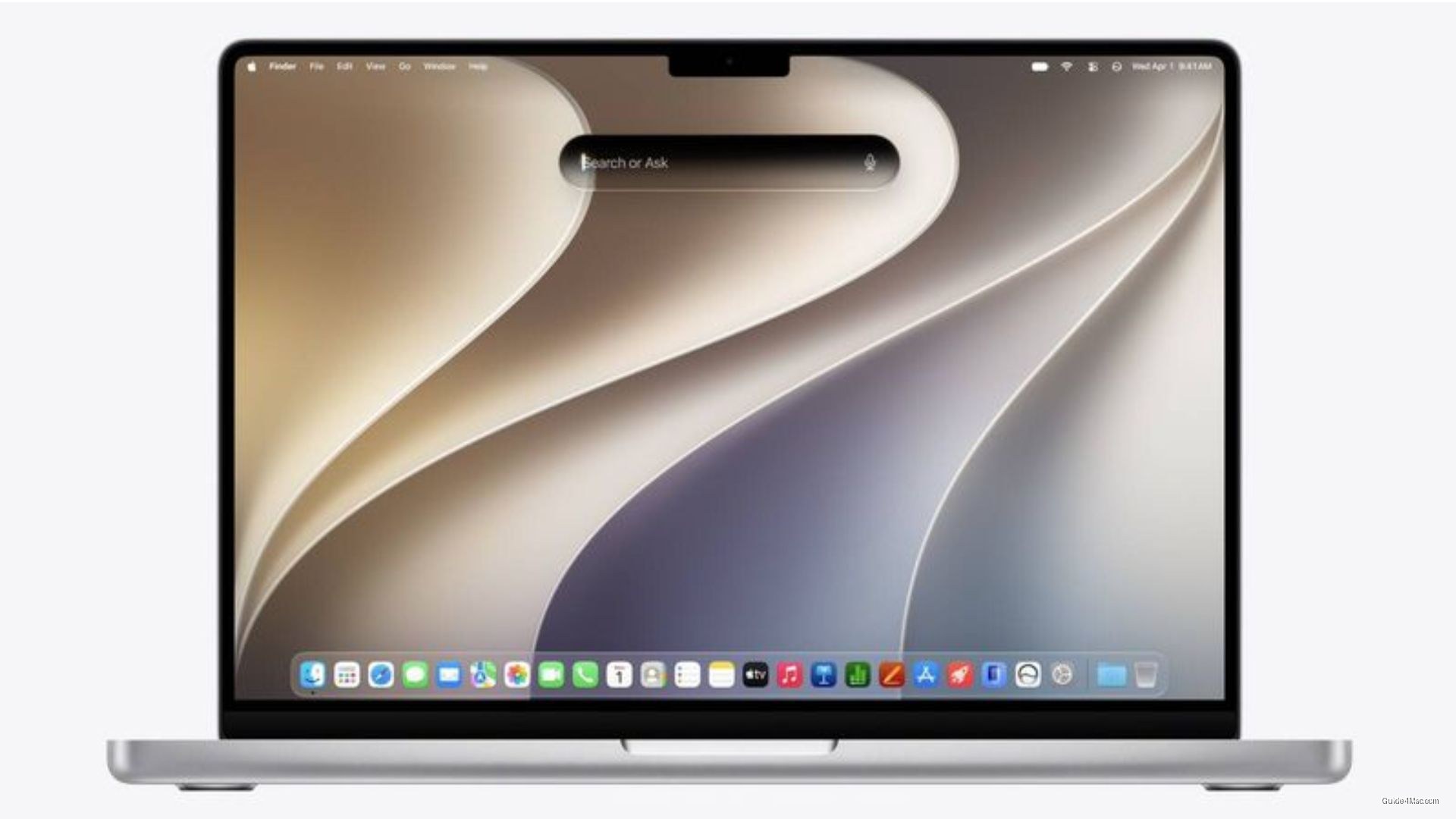
Apple’s most used keyboard shortcut is about to do considerably more. With macOS 26, Command-Space will open a Spotlight bar capable of holding a full back-and-forth conversation with Siri, not just retrieving files or doing unit conversions.
The detail that matters most here is context retention. Ask about the weather, then follow up asking what to wear, and Siri carries the thread forward without requiring you to restate the premise. That kind of conversational continuity has existed in dedicated chat interfaces for a while, but embedding it in a tool people already invoke dozens of times a day changes the friction calculation entirely.
Why Spotlight is the right place for this
Spotlight has always had an adoption advantage that Apple’s standalone Siri interface never quite achieved on Mac. Most power users invoke it constantly; most of those same users rarely talk to Siri directly. Routing conversational AI through a gesture people already have in muscle memory is a more practical distribution strategy than asking them to form a new habit.
The timing also reflects competitive pressure. Microsoft has spent the past two years pushing Copilot into Windows search, and Google has been threading Gemini into Chrome OS at the system level. Apple arriving here in 2025 is not early, though the integration depth may matter more than the launch date.
What Apple has not fully explained yet is where the processing happens. On-device inference keeps queries private and fast; server-side processing enables more capable responses. Given Apple’s emphasis on on-device AI since the M-series chips, the expectation is that most of this runs locally, but the company has not committed to specifics in the WWDC framing.
The feature ships with macOS 26 this fall. Whether it actually changes daily behavior depends on how well the context memory holds up across longer sessions, which demo conditions rarely stress-test honestly.

0 Comments