WatchOS 26 Adds Menopause Detection to Apple Watch Health Monitoring
What You Need to Know
- Apple Watch now screens for perimenopause and menopause by monitoring biometric trends over time.
- Menopause detection analyzes body temperature, heart rate variability, and sleep data across weeks.
- Siri upgrade routes complex requests through private cloud computing instead of on-device processing.
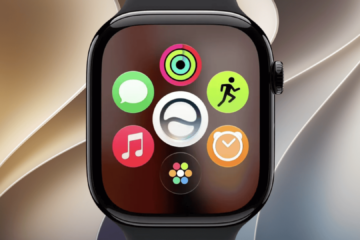
- Redesigned settings menu and dynamic app grid reduce navigation taps needed on watchOS.
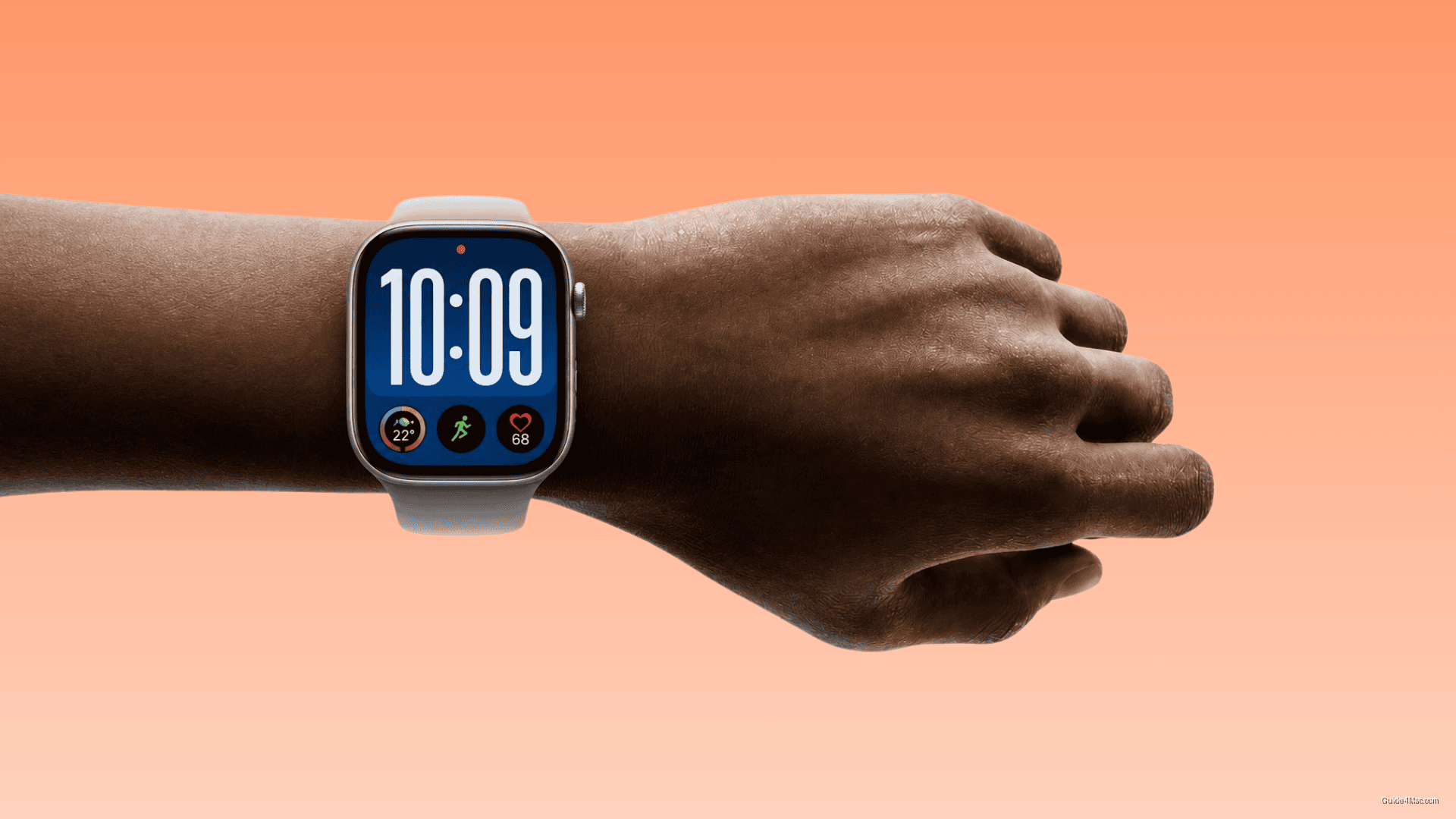
Apple’s watchOS 26 announcement buries the most consequential detail in the middle: the watch will now actively screen for perimenopause and menopause by monitoring biometric trends over time and sending alerts when patterns shift. That moves the Apple Watch from passive health logger to something closer to a longitudinal health monitor for a life stage that has historically received almost no attention from consumer technology.
The menopause detection builds directly on cycle tracking features Apple introduced in watchOS 6, which themselves arrived after years of criticism that the health app ignored women’s health entirely. The new alerts analyze changes in body temperature, heart rate variability, and sleep data over weeks, not single sessions. Whether the underlying detection is clinically validated at the level of a diagnostic tool remains an open question Apple has not fully answered.
On the assistant side, the Siri upgrade for watchOS 26 routes complex requests through private cloud computing rather than handling everything on-device or offloading to a phone. The iCloud conversation sync, where a query started on the watch can continue on an iPhone, is a small but telling detail: it suggests Apple is treating the watch less as a satellite device and more as a first-class input point.
Daily Use Changes
The redesigned settings menu and dynamic app grid address a complaint that has existed since watchOS 1. Navigation on the watch has always required too many taps to reach anything useful, and Apple has adjusted this repeatedly without fully solving it.
The remaining additions are incremental but coherent:
- Consolidated Find My access directly from the wrist
- Card balances visible inside Wallet
- Guest key support
- Improved step counting accuracy
- Better battery efficiency
The public release lands in September alongside iOS 26 and iPadOS 26. The health screening features will draw the most scrutiny once developers and researchers get access to the beta, particularly around how Apple communicates the difference between a consumer alert and a medical recommendation.



0 Comments