Siri AI Features Blocked From iPhone in EU Over DMA Standoff
What You Need to Know
- Apple blocked AI-powered Siri from iPhone and iPad in EU due to Digital Markets Act regulatory dispute.
- EU users will miss conversation history, Visual Intelligence tools, writing features, and Camera app Siri mode.
- Apple proposed “Trusted System Agent” to give third-party assistants controlled data access; European Commission rejected it.
- Apple previously delayed Apple Intelligence in EU by six months, citing DMA compliance concerns.
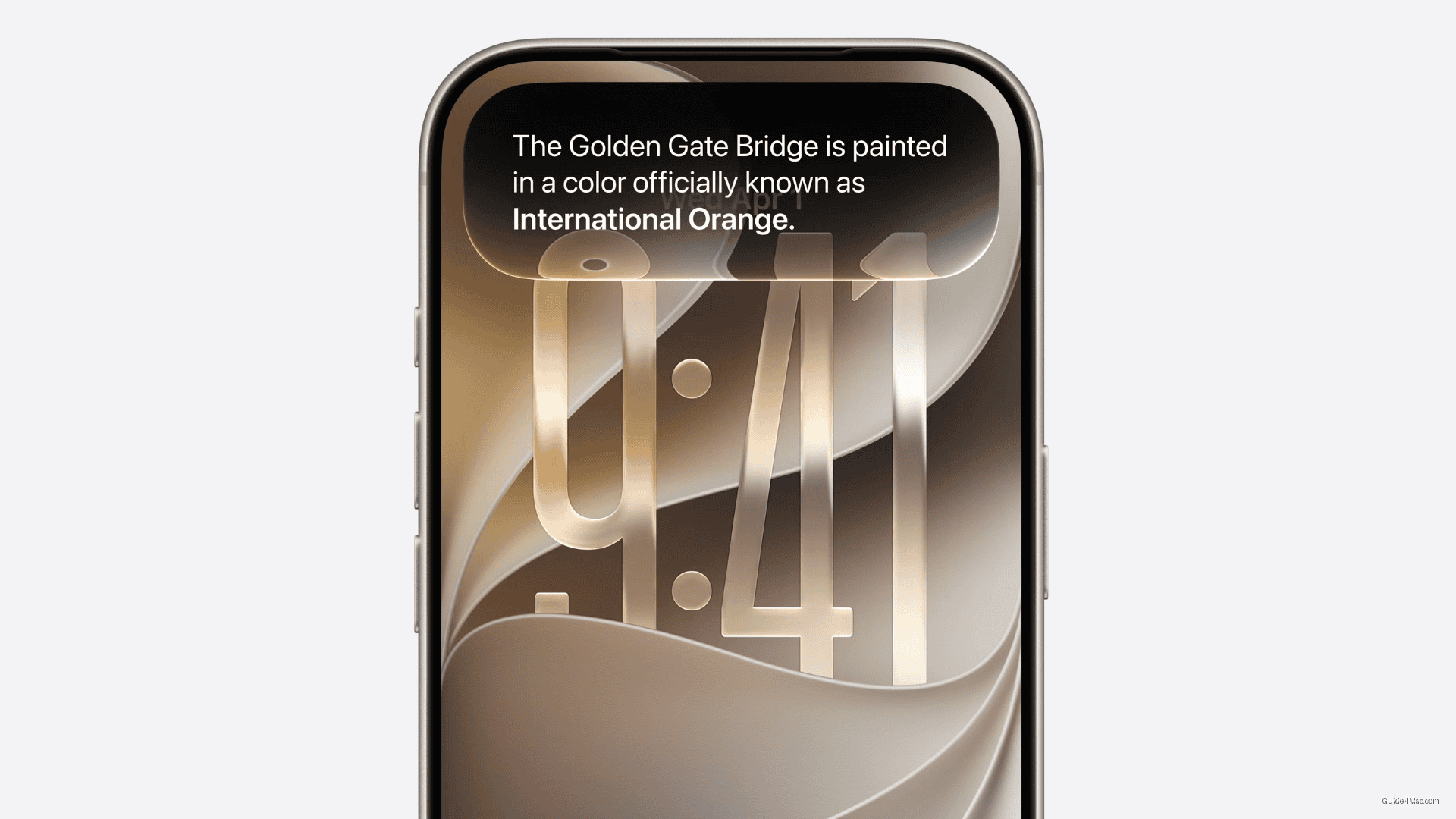
Apple has blocked the new AI-powered Siri from launching on iPhone and iPad in the European Union when iOS 27 and iPadOS 27 ship later this year, citing an unresolved standoff with regulators over the Digital Markets Act. The same features will launch on macOS, visionOS, and watchOS in the EU, because those platforms fall outside the DMA’s scope.
The sticking point is access. Apple says the DMA would require it to give third-party virtual assistants deep access to user data and system controls, which Apple argues creates security risks it is not willing to accept. The company built a proposed workaround called Trusted System Agent, designed to let competing assistants tap into similar capabilities through a more controlled pathway. The European Commission rejected it.
What EU iPhone Users Are Actually Losing
The list of blocked features is not minor. EU iPhone and iPad users will miss:
- Conversation history in Siri
- Expanded Visual Intelligence tools
- Integrated writing features across apps
- Siri mode in the Camera app
These were among the headline Siri capabilities announced at WWDC26, not background utilities.
Apple has used DMA compliance as a reason to delay or limit features before, most visibly with Apple Intelligence, which only reached EU iPhones in April 2025, roughly six months after its initial rollout. The pattern is consistent: Apple treats regulatory negotiation as a product decision, and EU users absorb the wait.
Craig Federighi said Apple is “deeply disappointed” and wants to eventually bring Siri AI to the EU, but the company offered no timeline. That phrasing is doing a lot of work. No timeline, after a rejected proposal and stalled talks, is a polite way of saying the gap between Apple’s privacy framing and the Commission’s interoperability demands has not closed.
Whether Apple’s security concerns are genuine, strategic, or both, the practical result is the same: roughly 100 million EU iPhone users get a less capable Siri than someone in California buying the identical hardware.


0 Comments