IPadOS 26 Supports iPad 9, But M1 Chip Required For Apple Intelligence
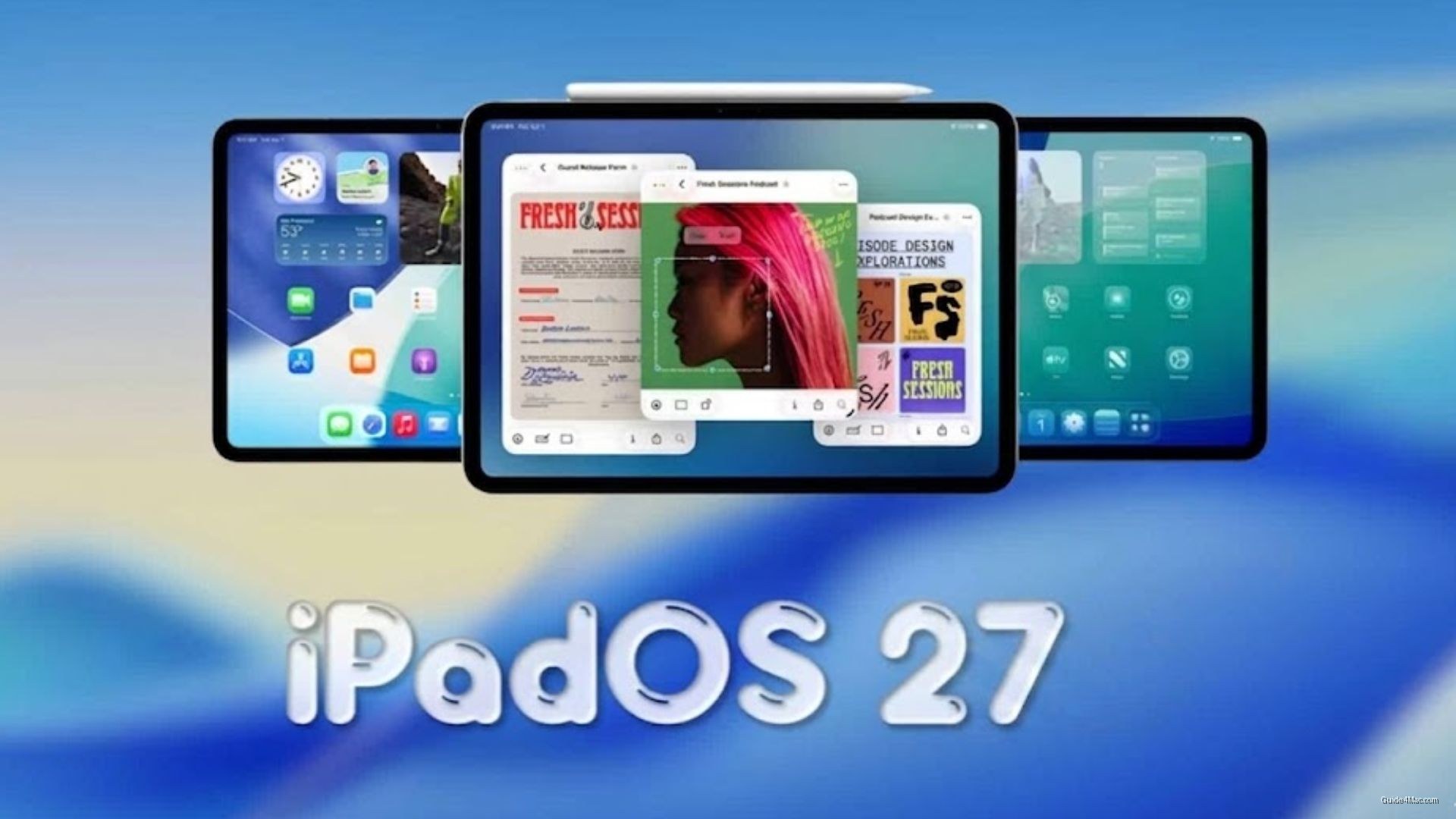
What You Need to Know
- Apple drops iPad 8th generation, iPad Air 3rd generation, and iPad mini 5th generation from iPadOS 26 support.
- IPad 8th generation launched in 2020, meaning owners face upgrade pressure after approximately five years of use.
- Apple Intelligence features require M-series chips, creating two-tier experience within single compatibility list.
- IPad 9th generation technically supports iPadOS 26 but cannot run advertised AI features due to A13 Bionic processor.
Apple is cutting four iPad models from iPadOS 26 support this fall, and the dividing line is more revealing than the list itself.
The dropped hardware includes the iPad 8th generation, iPad Air 3rd generation, iPad mini 5th generation, and implicitly any model older than those. These are not ancient devices. The iPad 8th generation launched in 2020, meaning some owners are being nudged toward an upgrade after roughly five years, which tracks with Apple’s typical support window but still stings when the hardware runs fine.
The supported lineup for iPadOS 26 covers a fairly wide range:
- iPad Pro 11-inch 1st generation and later
- iPad Pro 12.9-inch 3rd generation and later
- iPad Air 4th generation and later
- iPad 9th generation and later
- iPad mini 6th generation and later
The chip floor matters more than the compatibility list
Making the list does not mean getting the full experience. Apple’s on-device AI features, the ones requiring larger memory pools, are effectively gated behind M-series chips. An iPad 9th generation with an A13 Bionic technically runs iPadOS 26, but it will sit out the features Apple spent the most stage time demonstrating at WWDC.
This two-tier reality inside a single compatibility list is something Apple has been quietly normalizing since Apple Intelligence launched. The headline number of supported devices looks generous; the fine print about which features actually run on which chips tells a different story.
For most people buying an iPad today, the M1 threshold is the practical floor for a complete software experience, not just an entry on a support page. That shifts the real conversation away from “will my iPad get the update” toward “will my iPad get the update that was actually advertised.”



0 Comments