Safari’s Extension Generator Lets You Build Tools Without Code
What You Need to Know
- Safari extension generator creates working browser extensions from plain English descriptions without requiring Xcode.
- Safari now proactively monitors pages and takes automatic actions like tab grouping and password updates without user request.
- “Notify Me” feature watches for specified page changes and sends notifications, replacing paid services like Visualping.
- Apple Intelligence automatically updates weak passwords by signing into websites and rotating credentials through the Passwords app.
The most underreported angle here is the extension generator, which quietly hands users a code-writing tool inside the browser itself, no Xcode required.
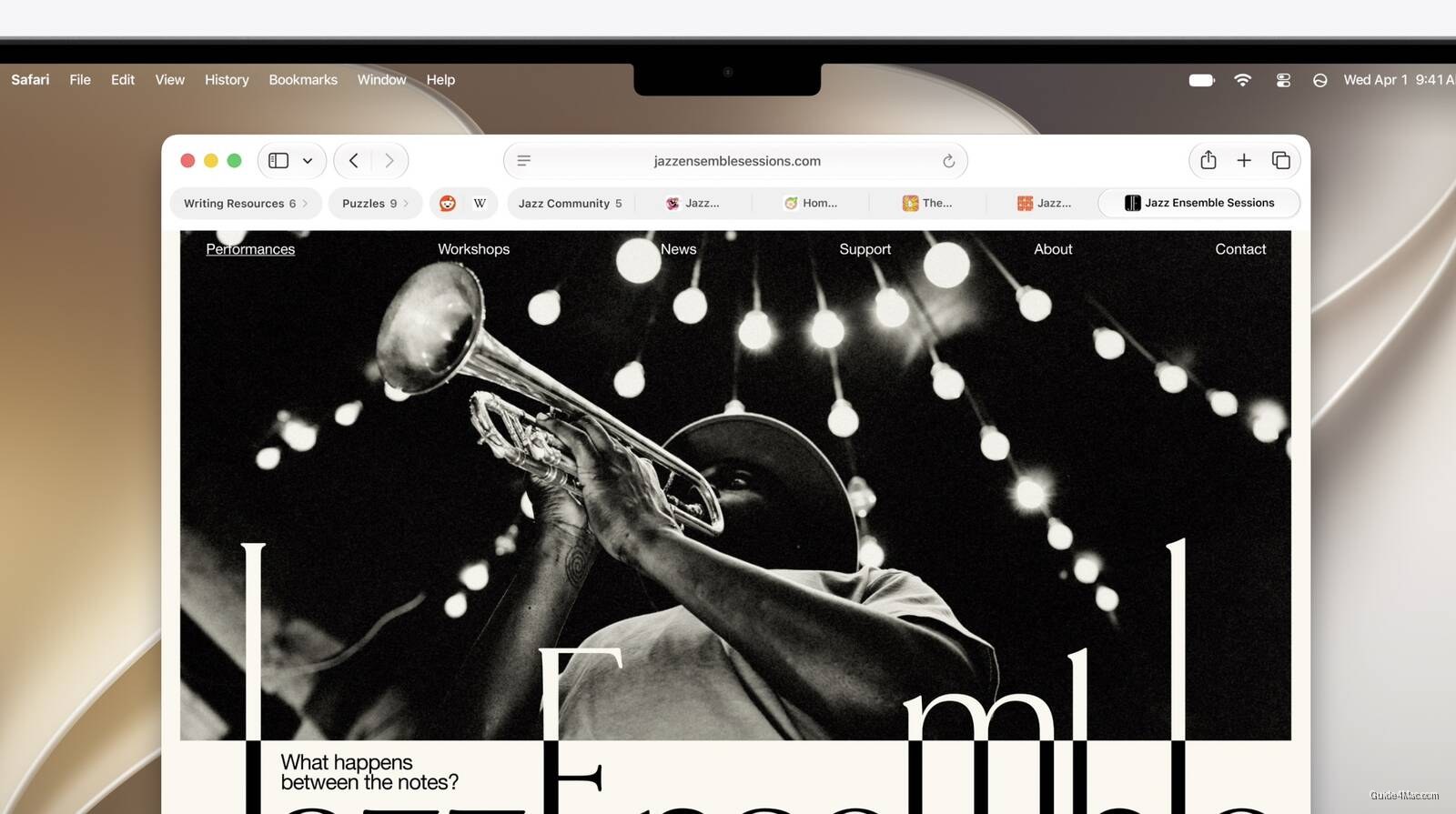
Apple’s new Safari features amount to a browser that increasingly acts on your behalf rather than waiting for input. Automatic tab grouping, page-change alerts, and a one-tap password updater all share the same logic: Safari observes what you’re doing and takes action before you ask. That shift in posture is more consequential than any individual feature on the list.
The custom extension builder is the sharpest example. A user describes what they want in plain English, and Safari generates a working extension that modifies web pages accordingly. Apple’s recipe-saving demo is deliberately low-stakes, but the same mechanism could produce content blockers, page reformatters, or site-specific automation tools that previously required a developer.
A Browser That Watches Pages for You
The “Notify Me” feature deserves more attention than it’s getting in the initial coverage. Users tell Safari in natural language what change to watch for on a given page, and the browser sends a notification when it detects a match. That’s a lightweight version of what services like Visualping have charged subscription fees for, now folded into the default browser.
The agentic password updater is the feature most likely to raise eyebrows on closer inspection. Apple Intelligence navigates to websites, signs in, and rotates weak or compromised credentials automatically, coordinating with the Passwords app. Apple says no browsing data is exposed to Apple or third parties, though the company has made that assurance before with features that later drew scrutiny.
All of these tools require Apple Intelligence, which currently limits availability to recent hardware in supported regions. The features are real, but the audience for them at launch is narrower than the announcement implies.



0 Comments