Tim Cook Steps Down as Apple CEO After 14 Years at WWDC
What You Need to Know
- Tim Cook ended 14-year CEO tenure at WWDC keynote, departing at developer conference rather than product launch.
- Cook tripled Apple’s revenue and built services into Fortune 100-level business during his leadership.
- John Ternus, SVP of Hardware Engineering, succeeds Cook in September before iPhone 18 announcement cycle.
- Ternus will face immediate test of Apple Intelligence’s impact on iPhone upgrade cycle as new CEO.
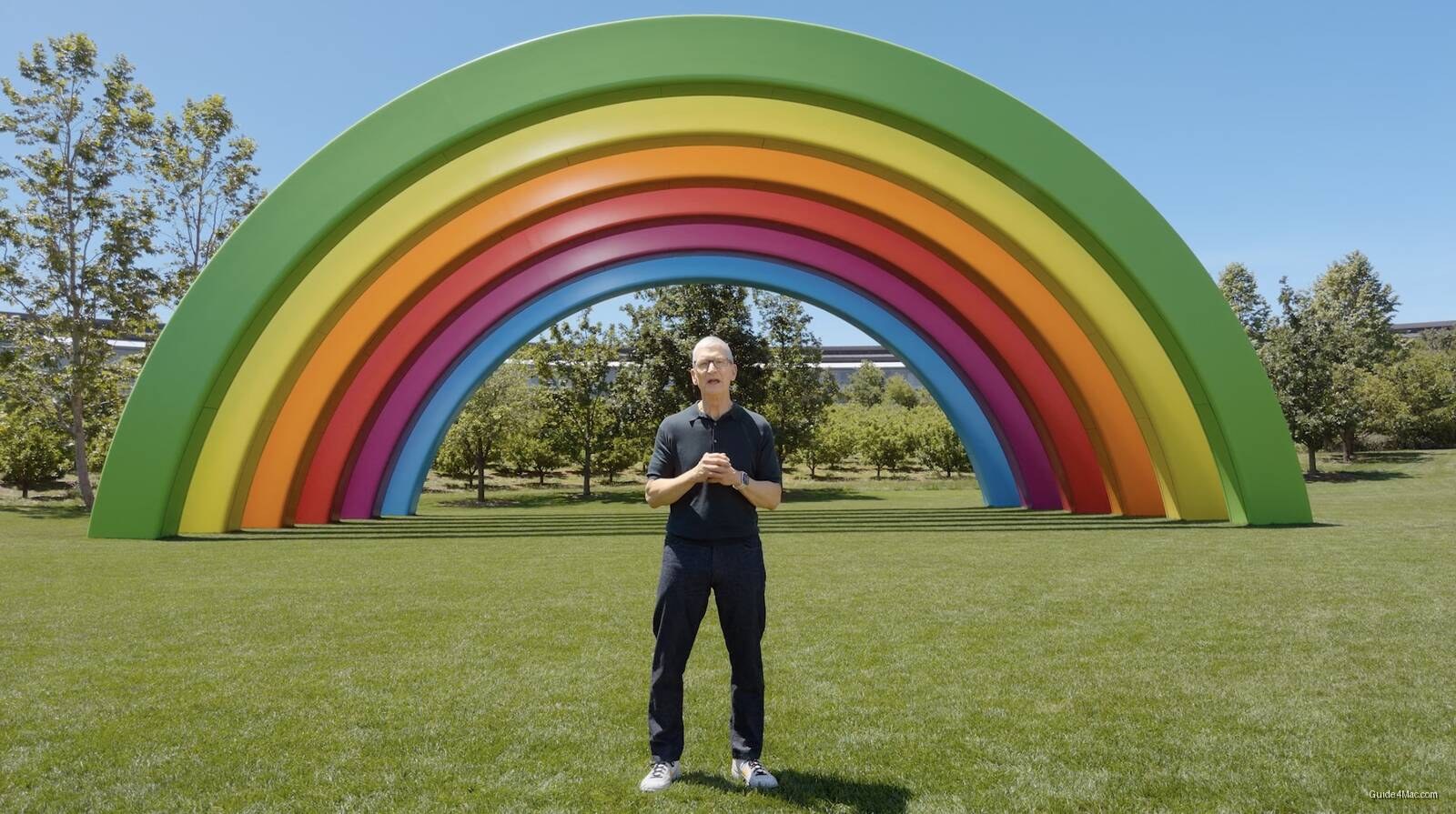
Tim Cook ended his final WWDC keynote on Monday with a short farewell, calling it an honor to lead Apple and saying “the best is still ahead.” The remarks were brief and clearly prepared, but the subtext was not subtle: a 14-year run as CEO is closing out at a developer conference, not a product launch.
That choice of venue is worth sitting with. Cook took over from Steve Jobs in August 2011 under circumstances that felt, to many observers, like an impossible act to follow. He leaves having tripled Apple’s revenue, built out services into a business that alone would rank among the Fortune 100, and navigated a sustained period of regulatory pressure across the US, EU, and China simultaneously.
The Transition Itself
John Ternus, currently SVP of Hardware Engineering, will succeed Cook in September, timed to land just before the iPhone 18 announcement cycle. Ternus has been the public face of Apple Silicon and the redesigned Mac lineup, which gives him a hardware-forward identity at a moment when Apple Intelligence is still finding its footing in software.
The timing creates an interesting dynamic. Whoever owns the September event owns the first real test of whether Apple’s AI integration moves the iPhone upgrade cycle in a meaningful way, and Ternus will carry that result as his opening statement.
Cook’s tenure is often framed around operational discipline rather than product vision, a contrast drawn almost reflexively against Jobs. That framing undersells what he actually built: the services layer, the Apple Silicon transition, and the retail and supply chain infrastructure that made the company structurally different from what he inherited.
His farewell line, “imagination has no limits,” was directed at developers. That is either a gracious exit or a quiet acknowledgment that the next chapter of Apple’s product story depends more on the ecosystem than on any single device.



0 Comments