Health App Perimenopause Detection Uses Years of Your Cycle Data

What You Need to Know
- Apple Health app now detects perimenopause using long-term cycle data accumulated since 2019.
- IOS 27 perimenopause detection identifies patterns years before menopause onset using longitudinal user datasets.
- Apple Watch Series 8 wrist temperature sensor provides basal body temperature data for detection algorithm.
- Apple has not disclosed clinical basis or medical partnerships behind the perimenopause detection feature.
Apple’s Health app has tracked cycles since 2019, but it has always been oriented around fertility and reproductive planning. The perimenopause addition reorients the feature toward a different life stage entirely, one that affects the same users who have been logging data for years.
The detection mechanism is the more interesting piece. iOS 27 will use long-term accumulated cycle data to identify patterns consistent with perimenopause, a transition that can begin ten or more years before menopause itself. That means users who have logged consistently since iOS 13 are now sitting on exactly the kind of longitudinal dataset the algorithm needs.
The broader feature set arriving with iOS 27 includes:
- Symptom logging tied directly to the perimenopause and menopause transition
- Educational resources surfaced within the Health app
- Faster data updates and a refreshed design across the app
- More advanced cycle tracking generally
A Hardware Connection Worth Watching
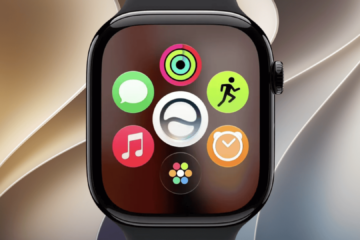
The wrist temperature sensor Apple added in Apple Watch Series 8 already feeds basal body temperature data into cycle tracking. That same sensor captures the kind of subtle thermal fluctuations associated with hormonal shifts during perimenopause, which suggests the detection model likely draws on watch data where available, not just manually logged cycle entries.
Apple has not detailed the clinical basis for the detection algorithm or whether it was developed with external medical partners, which is a gap the company will probably need to address before launch. Cycle Tracking’s AFib history feature went through FDA review; it is not yet clear whether this feature follows the same regulatory path or sits in a different category as a general wellness tool.
The audience here is large and largely underserved by consumer health technology. Most wearable health features targeting women have focused narrowly on fertility. A tool designed around perimenopause would be one of the first from a major platform to treat the transition as a health event worth tracking in its own right.



0 Comments