Apple Pay Transit Expands to Dallas and Houston, Reaching 14 U.S. Cities
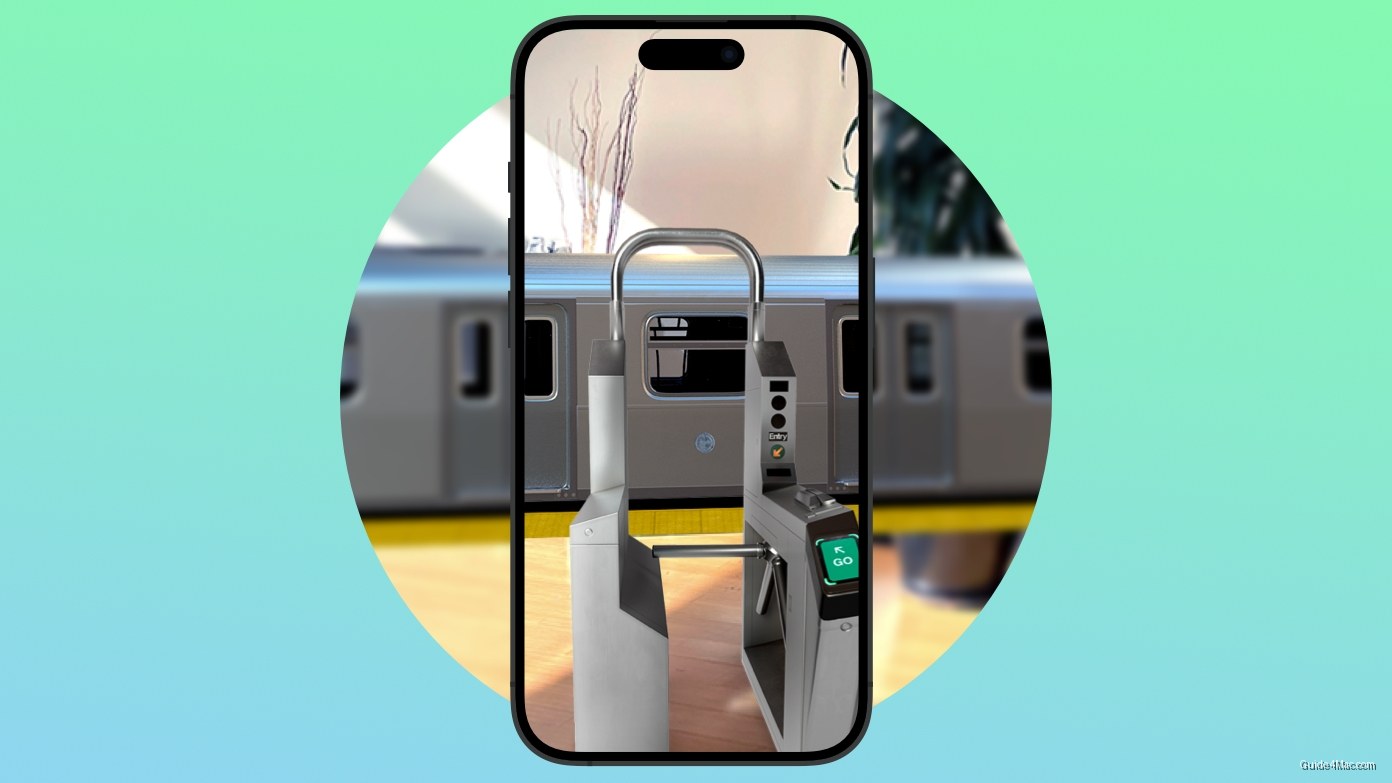
What You Need to Know
- Dallas and Houston joined Apple’s transit payment network in June 2026, bringing U.S. total to 14 cities.
- Each U.S. city requires separate negotiation with local transit authorities, explaining the slow rollout pace since 2016.
- Express Transit mode processes payments for up to five hours after iPhone battery dies.
- Houston requires dedicated virtual RideMETRO card; Dallas accepts any contactless credit or debit card for DART fares.
Dallas and Houston quietly joined Apple’s transit payment network in June 2026, bringing the U.S. total to 14 cities. That’s the actual news buried beneath a feature overview that reads more like a support page than a story.
The expansion matters more in context than it might seem. Apple Pay for transit has existed since 2016, and major transit hubs like New York, Chicago, and London have supported it for years. The fact that two of the largest cities in Texas are only joining now reflects how fragmented U.S. transit infrastructure is, not any slowdown on Apple’s part. Each city requires separate negotiation with local transit authorities, which is why the rollout has moved at this pace.
The two new cities also illustrate how differently Apple Pay integrates depending on the system. Houston requires users to add a dedicated virtual RideMETRO card inside the Wallet app. Dallas lets riders pay a DART fare with any contactless credit or debit card, which is the simpler implementation and closer to how transit payments work in London or Tokyo.
How Express Mode Works
The feature most people overlook is the power reserve capability on iPhone XS and later: Express Transit can still process payments for up to five hours after the battery dies. For anyone who has ever watched their phone die at a turnstile, that’s the detail worth knowing before assuming Apple Pay is useless in that moment.
The broader U.S. list now covers Atlanta, the Bay Area, Boston, Chicago, Dallas, Houston, Los Angeles, New York, Orange County, Philadelphia, Portland, San Diego, Seattle, and Washington DC. Internationally, cities like Tokyo, Hong Kong, and London have had support far longer, and in some cases with deeper integration than most American systems currently offer.
Apple’s own website lists which transit systems are supported in each city, since card requirements and terminal compatibility still vary enough that assuming it works everywhere in a supported city can get you stuck at the gate.



0 Comments