Apple Intelligence Relies on Google’s Cloud Hardware for Its Most Powerful Model
What You Need to Know
- Apple used Google’s Gemini outputs to train its own models through model distillation, a common industry practice.
- AFM Cloud Pro, Apple’s most capable model, runs on Google’s cloud hardware, not Apple’s own data centers.
- Apple’s statement about not using Google Assistant technically accurate but obscures deeper Google relationship in training and infrastructure.
- Apple Intelligence routes requests between five models based on task complexity, running simpler tasks on-device and complex ones in cloud.
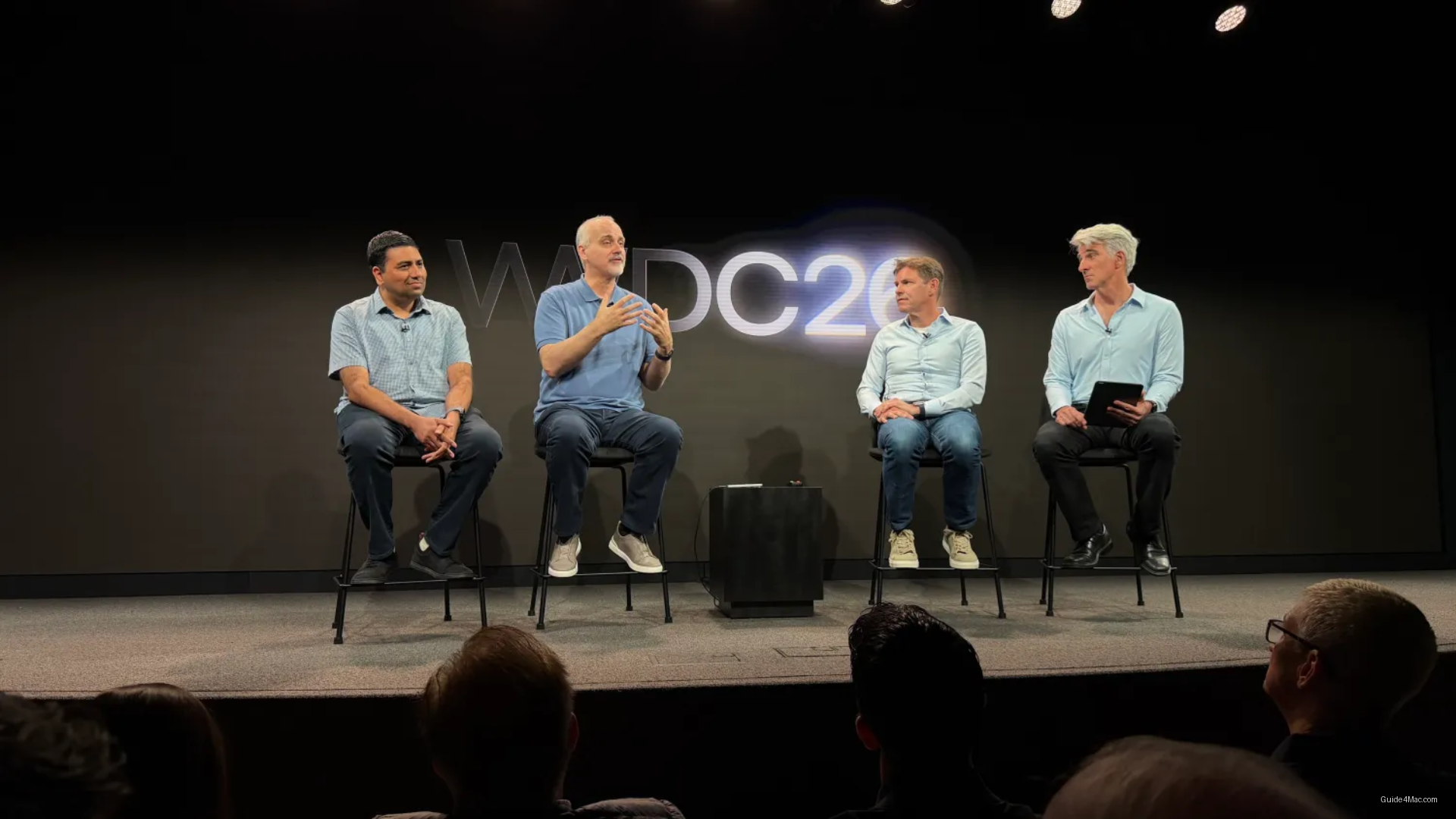
Apple’s denial that it uses Google’s Gemini models or infrastructure is technically accurate, but it obscures something the company has been quieter about: Gemini’s outputs were used to train Apple’s own models, a process called model distillation that is common in the industry but meaningfully different from “using none of Google.”
Craig Federighi’s statement, “The amount of the Google Assistant we use is none,” answers a question most people weren’t asking. The actual Google relationship sits in the training pipeline and the cloud infrastructure, not the runtime model serving.
Apple’s third-generation AFM family now spans five models:
- AFM Core: on-device, general tasks
- AFM Core Advanced: on-device, sparse multimodal, handles expressive voice and invitations
- AFM Cloud: cloud inference for standard requests
- AFM Cloud Image: image generation and spatial reframing
- AFM Cloud Pro: complex reasoning and agentic tasks, runs on Nvidia GPUs
Where Google’s Infrastructure Actually Appears
AFM Cloud Pro, the most capable model in the lineup, runs on Google’s cloud hardware, not Apple’s own data centers. Apple says the configuration prevents user data from being accessible, and it’s inviting third-party researchers to verify that claim independently, which is a more auditable stance than most cloud AI providers take.
The System Orchestrator routes each request to the appropriate model, pulling from Spotlight’s semantic index, on-screen context, and app actions to decide what runs locally versus in the cloud. That routing layer is where Apple Intelligence on newer devices does most of its practical work, balancing privacy against capability in real time.
Apple’s original Apple Intelligence rollout drew criticism for being underwhelming relative to the privacy promises used to justify its limitations. The AFM third-generation lineup, particularly Cloud Pro, suggests Apple has decided raw capability now matters as much as the on-device purity argument it leaned on heavily through 2024.



0 Comments