IPhone Tap to Share Skips Europe, Launches as Merchant Tool in iOS 27
What You Need to Know
- Tap to Share lets merchants collect customer data via NFC without additional hardware or terminals.
- Feature consolidates payment processing, loyalty programs, receipts, and contact collection into single iPhone tap.
- Apple excluding Tap to Share from EU and EEA markets despite Digital Markets Act NFC requirements.
- Requires iPhone 12 or newer; builds on existing Tap to Pay infrastructure.
Apple’s real move with Tap to Share isn’t the payment side, it’s turning an iPhone into a portable customer relationship tool that replaces the clipboard, the loyalty card scanner, and the receipt printer in one tap.
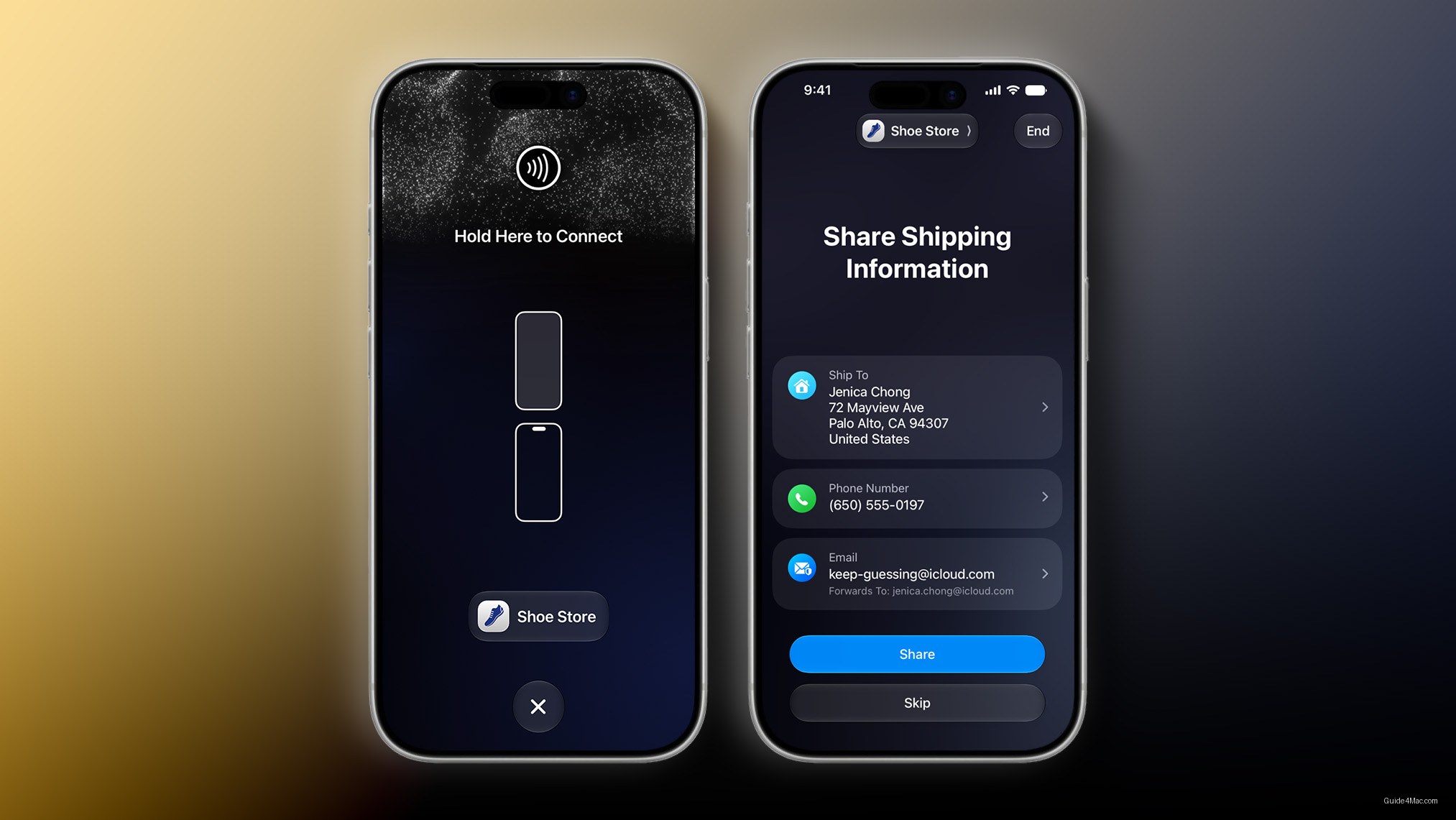
The feature, arriving in iOS 27, lets merchants connect to a customer’s device over NFC to exchange data during a transaction. That means a vendor at a farmers market can collect an email address, issue a digital loyalty pass, or send a receipt without any additional hardware. For small operators who currently juggle a card reader, a paper sign-up sheet, and a QR code printout, that consolidation is the actual pitch here.
Tap to Share builds on the existing Tap to Pay on iPhone infrastructure, which already handles contactless payments from cards, Apple Watch, and other NFC-enabled devices without a point-of-sale terminal. The new layer adds several data-exchange actions within a single active session:
- Sharing contact details for membership or mailing list sign-up
- Providing a shipping address or email for digital receipts
- Adding or sharing Apple Wallet passes
- Viewing a cart and completing Apple Pay payment
The EU Gap
Apple is not launching Tap to Share in the European Economic Area, covering all 27 EU member states plus Iceland, Liechtenstein, and Norway. No explanation was offered, and no timeline was given for regional availability. The omission is conspicuous given that the EU’s Digital Markets Act has already forced Apple to open NFC access to third-party developers, a change that reshaped how Apple frames its own NFC features in that market.
The hardware floor is iPhone 12 or newer, which at this point covers the vast majority of active iPhones. What Apple is quietly assembling here is a merchant-side ecosystem where the iPhone handles the entire customer interaction, from cart to receipt, with no peripheral devices in the loop at all.


0 Comments