IOS 27 Will Remind You When You’ve Been Talking to Siri Too Long
What You Need to Know
- Apple embedded a message in iOS 27 beta code reminding users Siri is not a real person.
- New Siri supports contextual follow-up questions, allowing multi-turn conversations without losing context.
- ChatGPT and Claude already include similar friction features prompting users to take breaks.
- The warning trigger condition remains unclear; Apple has not confirmed threshold or launch timing.
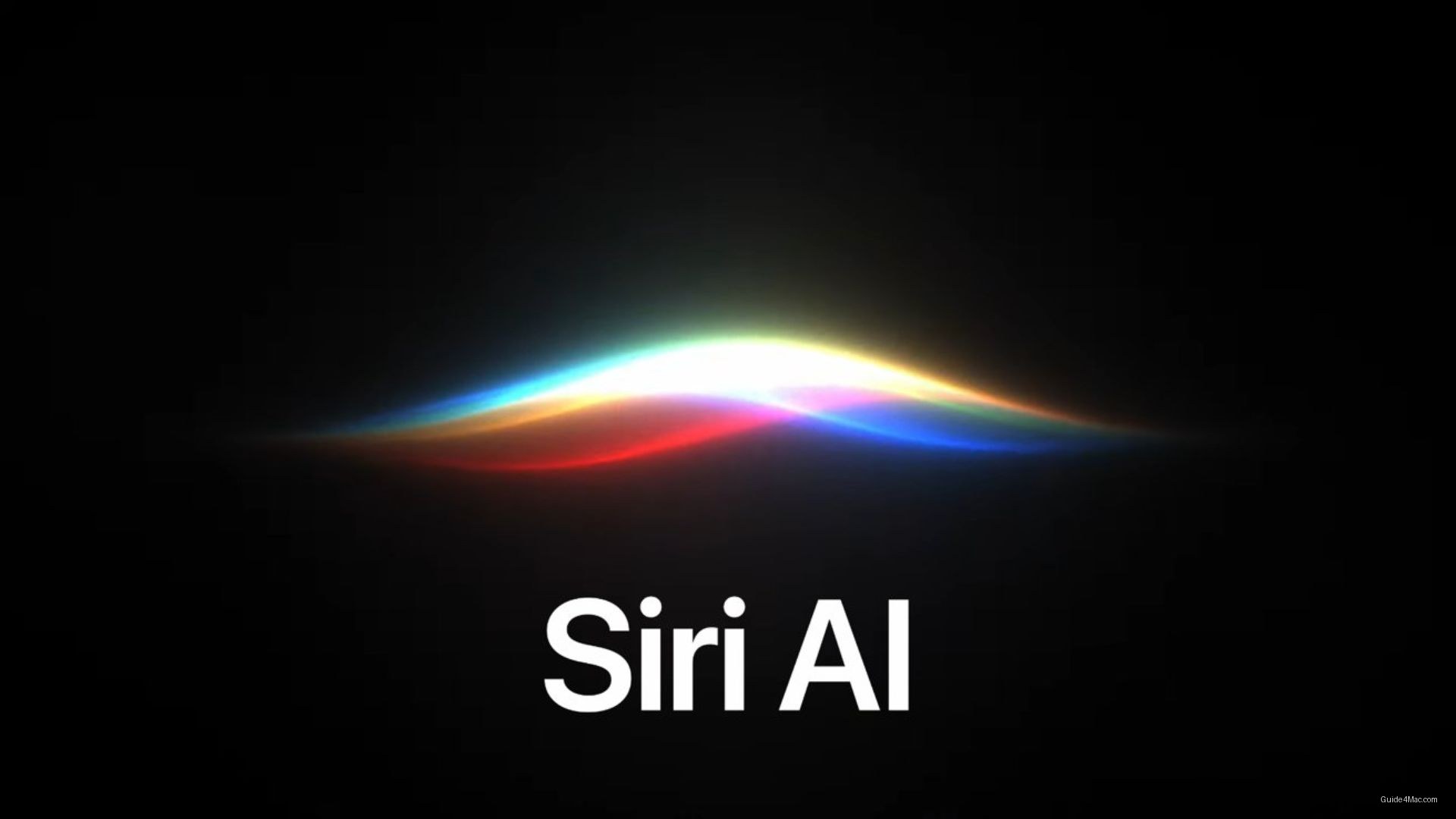
Apple found something interesting buried in iOS 27 beta code: a message that tells you how long you have been talking to Siri and reminds you the assistant is not a real person. The feature does not cut off the session, it just nudges you to step back.
The timing makes sense. Apple is preparing a significant Siri overhaul for iOS 27, one where you can ask about an artist and follow up with a command like “play one of her new singles” without losing the thread of the conversation. That kind of persistent, contextual dialogue is exactly what makes people forget they are talking to software.
OpenAI and Anthropic have already built similar friction into their products. ChatGPT and Claude both surface reminders to drink water or take a screen break during long sessions. Apple arriving at this point before the overhauled Siri ships publicly suggests someone inside the company paid attention to how those rollouts went.
What the code does not tell us
The trigger condition is still unclear. The warning could fire based on total session time, message count, or some combination of behavioral signals. Because the strings appear in background test code rather than a public beta build, Apple has not confirmed a threshold or a launch window.
The scope may extend beyond the iPhone screen. Firmware has already listed AirPods as compatible with the new Siri AI, which means extended back-and-forth conversations could happen entirely through earbuds, with no visual cue to ground the interaction. A timed verbal reminder in that context would carry more weight than a banner on a screen.
Whether the feature ships in this form or gets quietly dropped before release, its presence in the codebase reflects a specific calculation: a more capable assistant creates attachment risks that a less capable one never had to worry about.



0 Comments