MacBook Pro Gets Touchscreen in 2026, Ending Apple’s 15-Year Stance
What You Need to Know
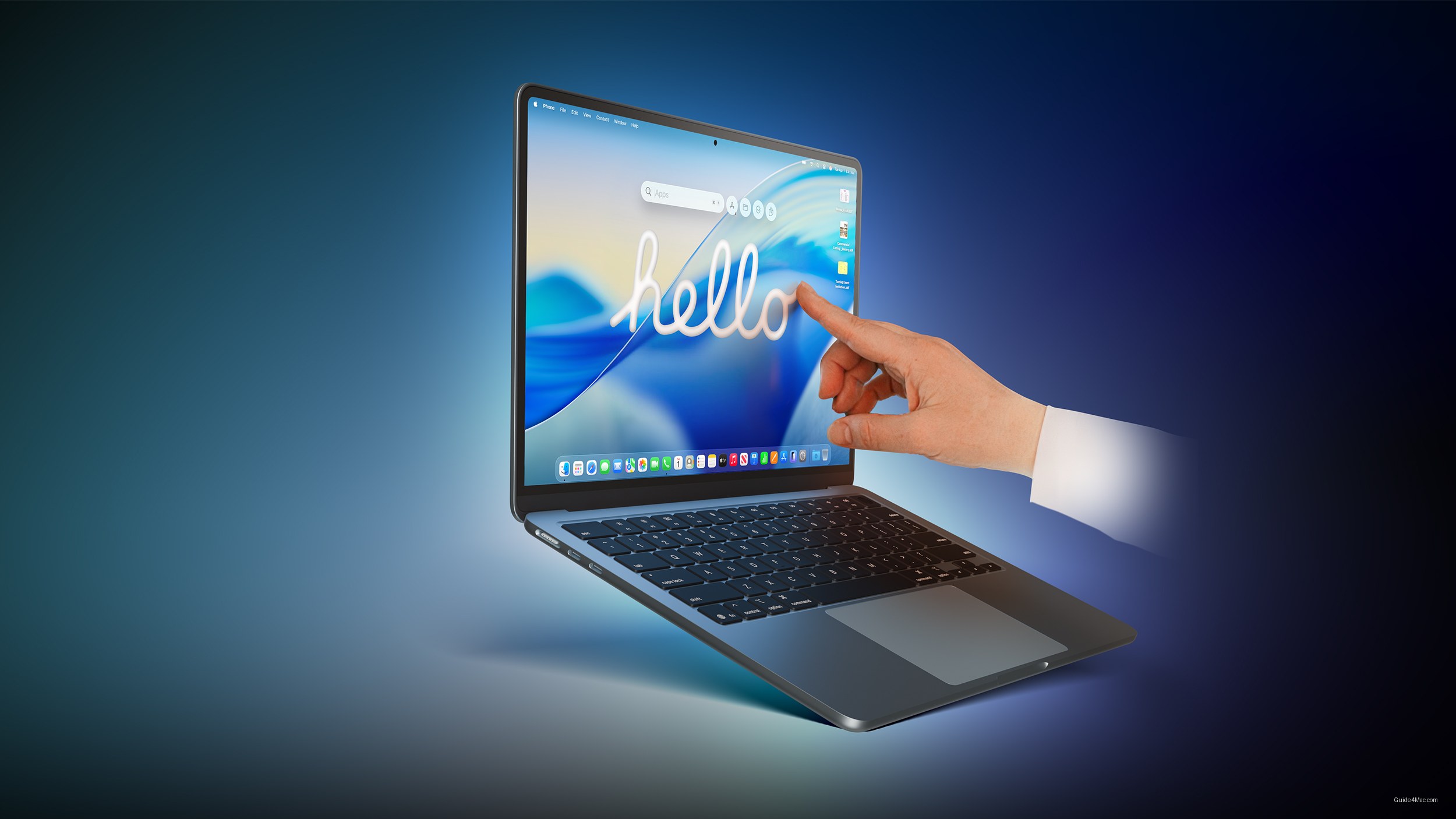
- Apple plans to launch touchscreen MacBooks in late 2026 or early 2027, ending 15-year opposition.
- New MacBook Pro models will feature M6 chips, OLED displays, Dynamic Island, and thinner chassis design.
- MacOS 27 is adding touch controls to prepare the system for finger-friendly interaction.
- Apple frames touchscreen as “touch-friendly, not touch-first” to avoid admitting its previous position was wrong.
Apple has spent fifteen years insisting that touchscreens belong on iPads, not Macs. That position is now collapsing, and the more interesting story is not the hardware but how Apple plans to avoid admitting it was wrong.
Chinese leaker Instant Digital posted a “100% confirmed” claim on Weibo this week, citing supply chain sources, that a touchscreen MacBook is coming. The post aligns with a convergence of reports from Bloomberg’s Mark Gurman and analyst Ming-Chi Kuo, both pointing to a 2026 mass production window with a late 2026 to early 2027 launch. A global memory chip shortage makes 2027 the more realistic date.
The incoming MacBook Pro models are shaping up as a generational overhaul rather than an incremental update. Expected changes include:
- M6 Pro and M6 Max chips
- OLED display with touchscreen support
- Dynamic Island replacing the current notch
- A thinner chassis, with possible MacBook Ultra branding
The Interface Problem Apple Has Been Quietly Solving
The hardware announcement will be the easy part. Apple has been laying groundwork on the software side, and macOS 27 touch controls are already moving the system UI toward finger-friendly interaction. Separately, Sidecar now lets iPad users tap macOS interface elements directly with a finger, which functions as a low-risk testbed for touch input without requiring Apple to ship a single touchscreen Mac.
Gurman’s framing that the device will be “touch-friendly, not touch-first” is doing real work here. It lets Apple position touch as an optional convenience rather than a design philosophy reversal, sidestepping the direct contradiction of John Ternus calling the Mac “totally optimized for indirect input” as recently as 2021. Ternus is now Apple’s incoming CEO, which makes that quote slightly awkward.
Steve Jobs cited arm fatigue in 2010 to dismiss vertical touchscreens entirely. Apple’s answer, apparently, is to let users choose when to reach and when not to, the same pragmatic sidestep the company used when it finally added larger iPhone screens after Jobs called them unnecessary. Supply chain confidence, coming from the same network tracking other 2026 product timelines, suggests this one is not slipping again.



0 Comments