IPhone Tap to Share Turns Any Checkout Into a Data Collection Point
What You Need to Know
- Apple’s Tap to Share feature lets merchants collect customer data via NFC without manual entry or apps.
- Customers control what information transfers during checkout, reviewing and approving charges from their own iPhone screen.
- Feature requires iPhone 12 or newer for customers and iOS 27 on merchant devices for compatibility.
- European Economic Area excluded from launch due to regional data-sharing and privacy regulations.
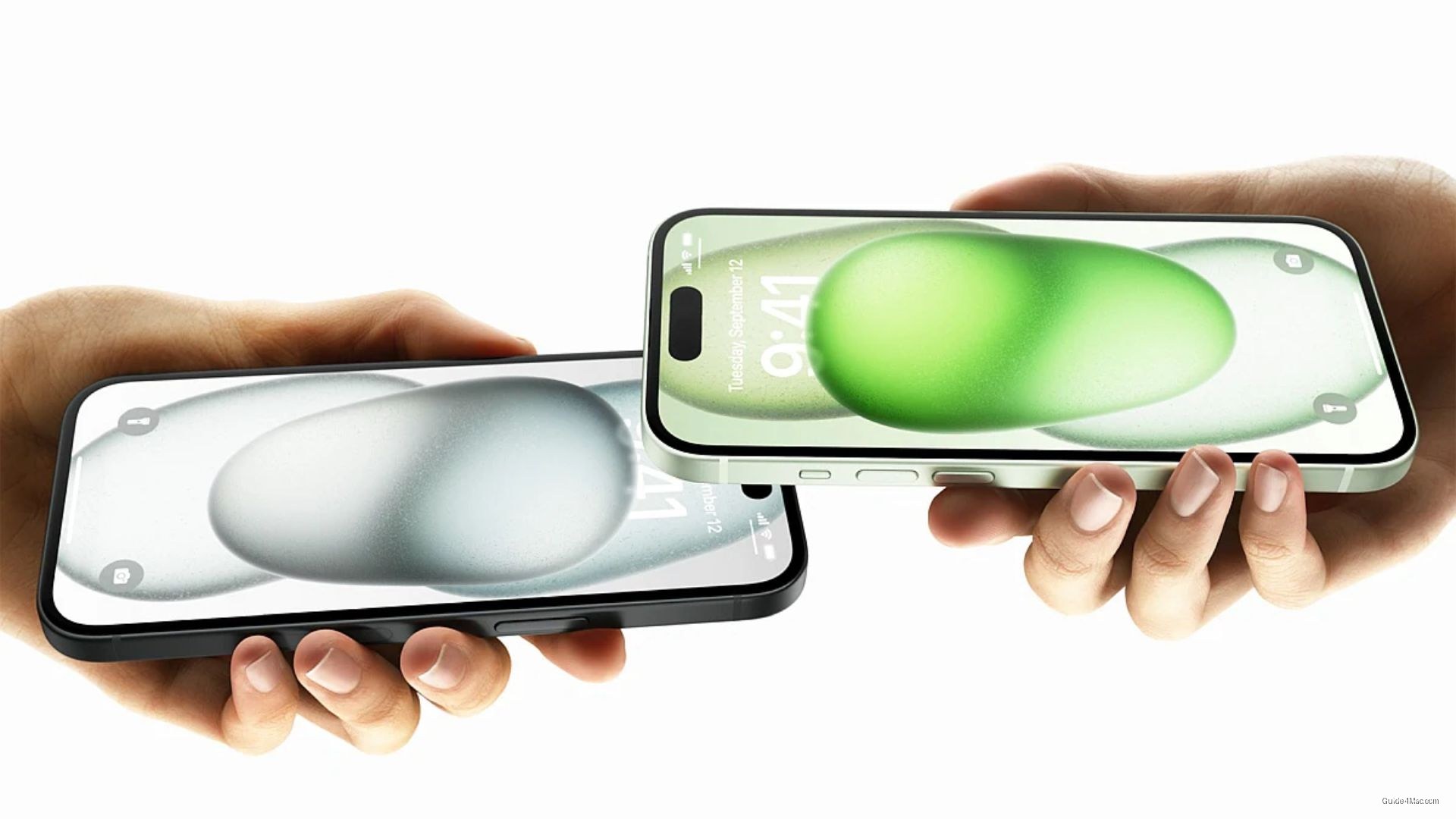
Apple quietly buried the most interesting part of its Tap to Share announcement: the feature turns any merchant’s iPhone into a portable customer data collection terminal, replacing the clipboard signup sheets and manual receipt email entry that small retailers have tolerated for years.
The mechanic is straightforward. A merchant running an iPhone as a checkout terminal sends a prompt, the customer taps their device against it, and NFC transfers only the approved data instantly. That covers shipping addresses, loyalty program enrollment, and email addresses for digital receipts without a single character typed by either party.
The payment side connects directly to Apple Pay, letting customers review their cart and approve the final charge from their own screen. If you have ever wrestled with Apple Pay setup during device configuration, the flow here is considerably cleaner because the customer stays in control of what gets shared at each step.
Hardware requirements narrow the audience somewhat:
- Merchant device: iPhone running iOS 27
- Customer device: iPhone 12 or newer
- Transfer method: NFC, no app download required on the customer side
A notable carve-out
The European Economic Area is excluded at launch, with no timeline offered. Apple has not explained the omission publicly, though the region’s data-sharing and privacy regulations have complicated NFC payment rollouts before. Merchants in those markets will keep asking customers to spell out their email addresses for now.
For everyone else, the practical impact lands mostly on independent sellers and local vendors who currently rely on third-party loyalty apps or paper forms. The feature requires only that both devices run current software and support the necessary hardware, which means the upgrade cost for most small businesses is essentially zero if they already own a recent iPhone.


0 Comments