MacOS 27 Code Points to Touchscreen Mac, Ending Apple’s Decade-Long Resistance
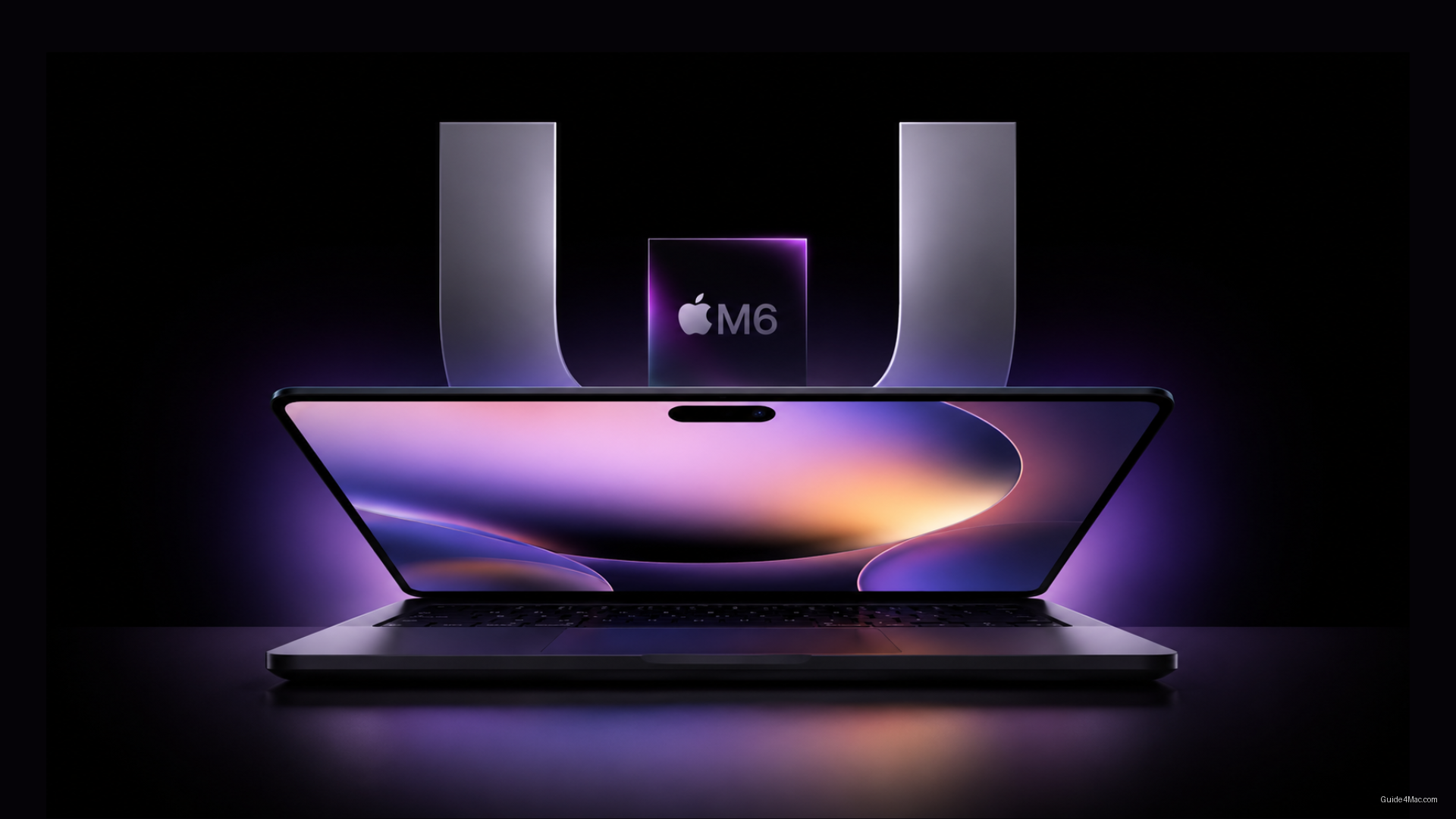
What You Need to Know
- Apple is developing touchscreen Macs after resisting the feature for over a decade.
- Touch input references appear in macOS 27, which drops Intel Mac support entirely.
- Samsung Display is reportedly manufacturing touch-capable panels for the new Mac models.
- Apple may brand touchscreen Macs as “MacBook Ultra” to position them as premium tier.
Apple has resisted putting a touchscreen on the Mac for over a decade, citing philosophy as much as engineering. That position now looks like it has an expiration date, with supply chain sources and software code both pointing toward the same conclusion.
The most telling detail is not the supply chain leak itself but where the software breadcrumbs are appearing. References to touch input have surfaced inside macOS 27 Golden Gate, the same release that drops Intel Mac support and signals Apple is done maintaining backward compatibility as a constraint on new hardware design. The timing is deliberate: Apple is not going to ship a touchscreen Mac and then spend a cycle supporting it on decade-old silicon.
Samsung’s reported role in manufacturing the touch-capable panels adds a layer of credibility that anonymous code strings alone cannot. Apple has used Samsung Display for high-end panels before, and a new display category would require a supplier already operating at the yield and quality levels Apple demands.
What the Branding Uncertainty Actually Reveals
The open question of MacBook Pro versus MacBook Ultra is more interesting than it sounds. A new Ultra branding would let Apple position the touchscreen as a premium tier above the existing Pro, keeping the Pro line clean and giving itself room to charge accordingly. Folding it into the Pro lineup suggests the feature ships more broadly, faster.
Either way, anyone buying a new Mac in anticipation of this feature should think through the transition carefully. Tools like Apple’s Migration Assistant handle the practical side of moving to new hardware, but the more interesting question is whether apps built for the current generation will be optimized for touch input at launch or will simply tolerate it.
Apple has spent years calling touchscreen Macs a bad idea. The more precise framing, apparently, was bad timing.


0 Comments