Siri Keynote Audio Edited to Block Wake-Word Detection
What You Need to Know
- Apple removed 3-6kHz frequencies from WWDC 2026 keynote whenever presenters said “Siri” to prevent device activation.
- The audio manipulation was visible in spectrograms and designed to make the word acoustically unrecognizable to listening devices.
- Amazon used identical frequency-notching technique for Alexa commercials in 2017 to prevent Echo devices from activating.
- The filter partially failed, with multiple viewers reporting devices activated during the livestream despite the audio surgery.
Apple quietly ran audio surgery on its WWDC 2026 keynote video, carving out the 3kHz, 4kHz, 5kHz, and 6kHz frequency bands each time a presenter said “Siri.” The manipulation was visible in spectrograms shared on X, where the notches appear as clean gaps aligned precisely with every instance of the word.
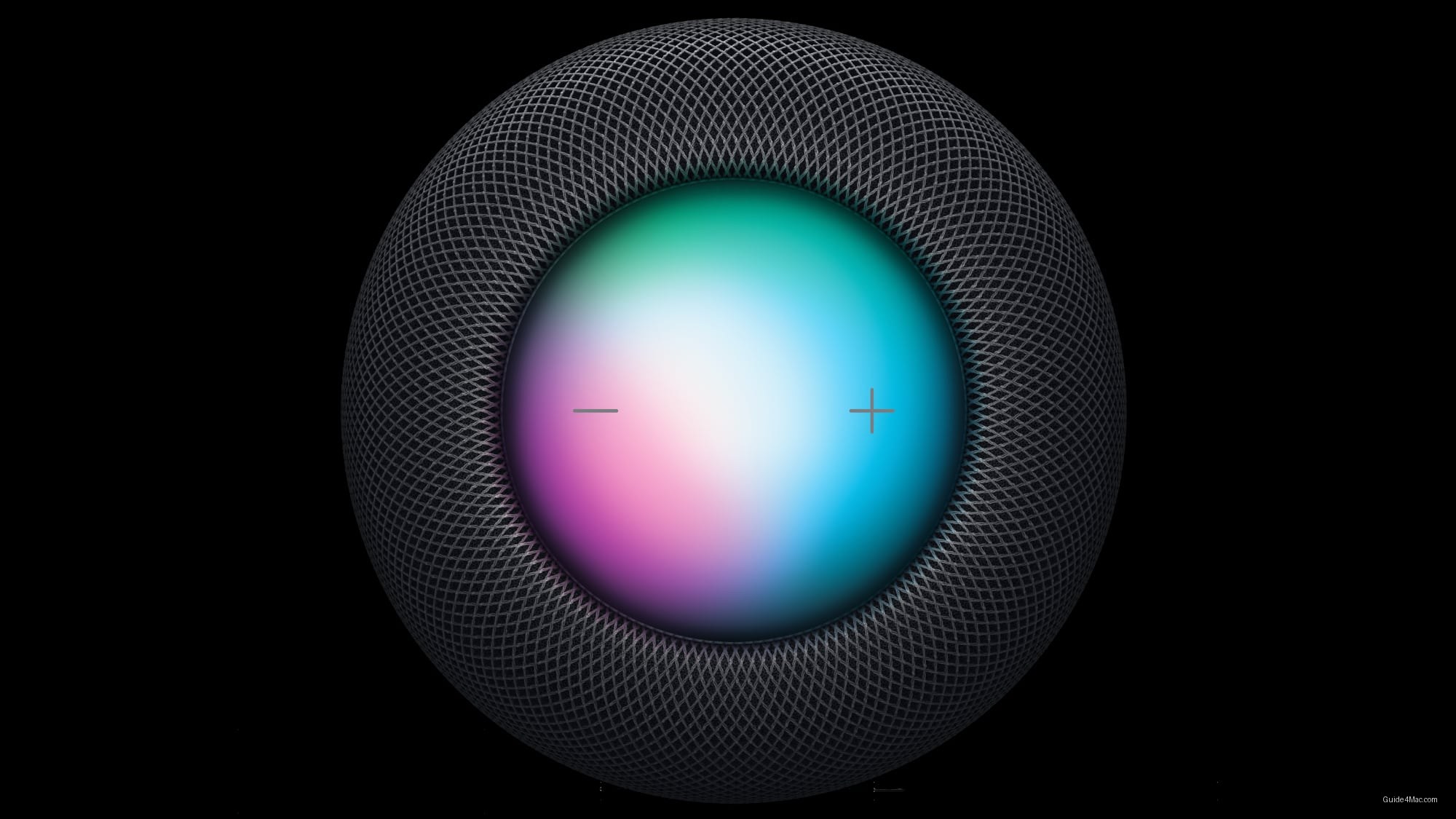
The logic is straightforward. Wake-word detection works by matching an acoustic fingerprint, and those mid-range frequencies carry the phonetic energy that makes “Siri” recognizable to a listening device. Strip them out and the word becomes acoustically unrecognizable to a HomePod or iPhone sitting on a coffee table nearby, even if it sounds fine to a human ear.
Amazon did the same thing with Alexa TV commercials back in 2017, notching frequencies to stop Echo devices from lighting up in living rooms across the country. Apple arriving at the same solution nine years later is less an innovation than an acknowledgment that the problem has no cleaner fix.
The Catch
The filter did not fully work. Multiple viewers reported their devices activating during the livestream anyway, which suggests either that the notching was too narrow, that some devices use a broader frequency window for detection, or that the processing varied across different playback platforms and compression codecs.
There is a quiet irony in the fact that Apple spent considerable time at WWDC promoting Siri improvements, while simultaneously treating the word itself as an audio hazard to be surgically neutralized before broadcast. The gap between the product being celebrated and the workaround required to mention it in public is more telling than any spec sheet.
What makes this worth attention is not the technique itself but what it reveals about the ambient computing problem at scale: tens of millions of always-on devices mean that even the company that makes them cannot say their assistant’s name on a livestream without triggering a small domestic incident in someone’s kitchen.


0 Comments