App Store Personalized Collections Tracks Every Tap, No Opt-Out
What You Need to Know
- Apple’s Personalized Collections feature tracks every tap users make in the App Store with no opt-out option.
- Security researchers found Apple logs detailed behavioral data including typing speed from App Store interactions.
- Apple classifies the collected analytics as identifiable information tied to individual user accounts.
- IPhone users cannot avoid the tracking since the App Store is the only official app distribution method.
Apple’s new Personalized Collections feature in the App Store is built on behavioral tracking that logs every tap a user makes inside the app, with no option to turn it off.
The feature, introduced last week, surfaces app recommendations across the Apps, Games, and Search tabs. Apple framed it as a discovery tool for developers, a way to surface apps users might otherwise miss when they open the App Store and browse. The recommendations evolve over time based on usage patterns and download history.
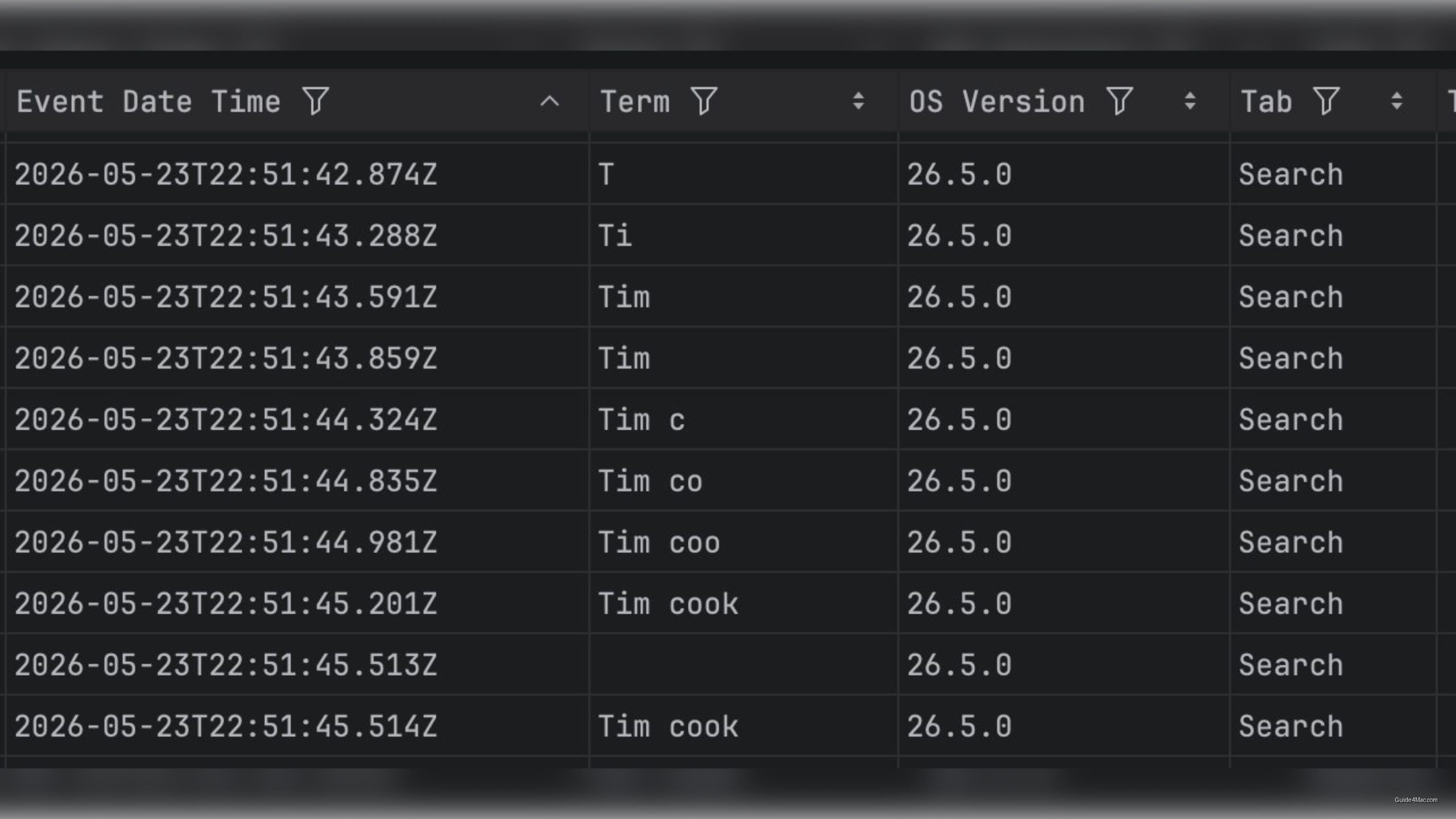
Security researchers Mysk pushed back almost immediately. Their analysis found that Apple logs every tap a user makes inside the App Store to build these profiles, and the data is detailed enough that Apple can calculate a user’s typing speed. Mysk shared a screenshot showing the analytics payload Apple receives during a simple search, describing it as “extensive identifiable analytics” rather than basic usage signals.
What the data actually includes
The researchers noted that this analytics data appears in the personal data export users can request through privacy.apple.com, which means Apple classifies it as identifiable information tied to individual accounts. That detail matters. The framing of “personalized recommendations” suggests lightweight preference inference, but the underlying data collection looks considerably broader than that description implies.
The comparison Mysk drew is pointed: a user who dislikes Spotify’s privacy practices can switch to Apple Music, and someone uncomfortable with Gmail on iPhone can use a different mail client. But iPhone users who want to download apps have one storefront, and no mechanism to opt out of this tracking within it. That monopoly dynamic is exactly what proposed legislation targeting Apple’s App Store has tried to address.
Personalized Collections launched as an opt-out feature rather than opt-in, which is where most of the friction sits. Whether the tracking itself crosses a line is a matter of interpretation, but the absence of any toggle is a deliberate product decision, not an oversight.



0 Comments