IPad Mini Gets Vibration Speakers, Ditches Traditional Grilles
What You Need to Know
- Apple designing next iPad mini with vibration-based speakers eliminating traditional speaker holes for water resistance.
- IPad mini display upgrading to OLED Samsung panel, potentially growing from 8.3 to 8.7 inches.
- Next iPad mini expected to use A19 Pro chip with 5-core GPU configuration based on leaked code.
The most interesting angle buried in this piece is the speaker design, which may be the most structurally unusual change Apple has made to a portable device in years. That leads.
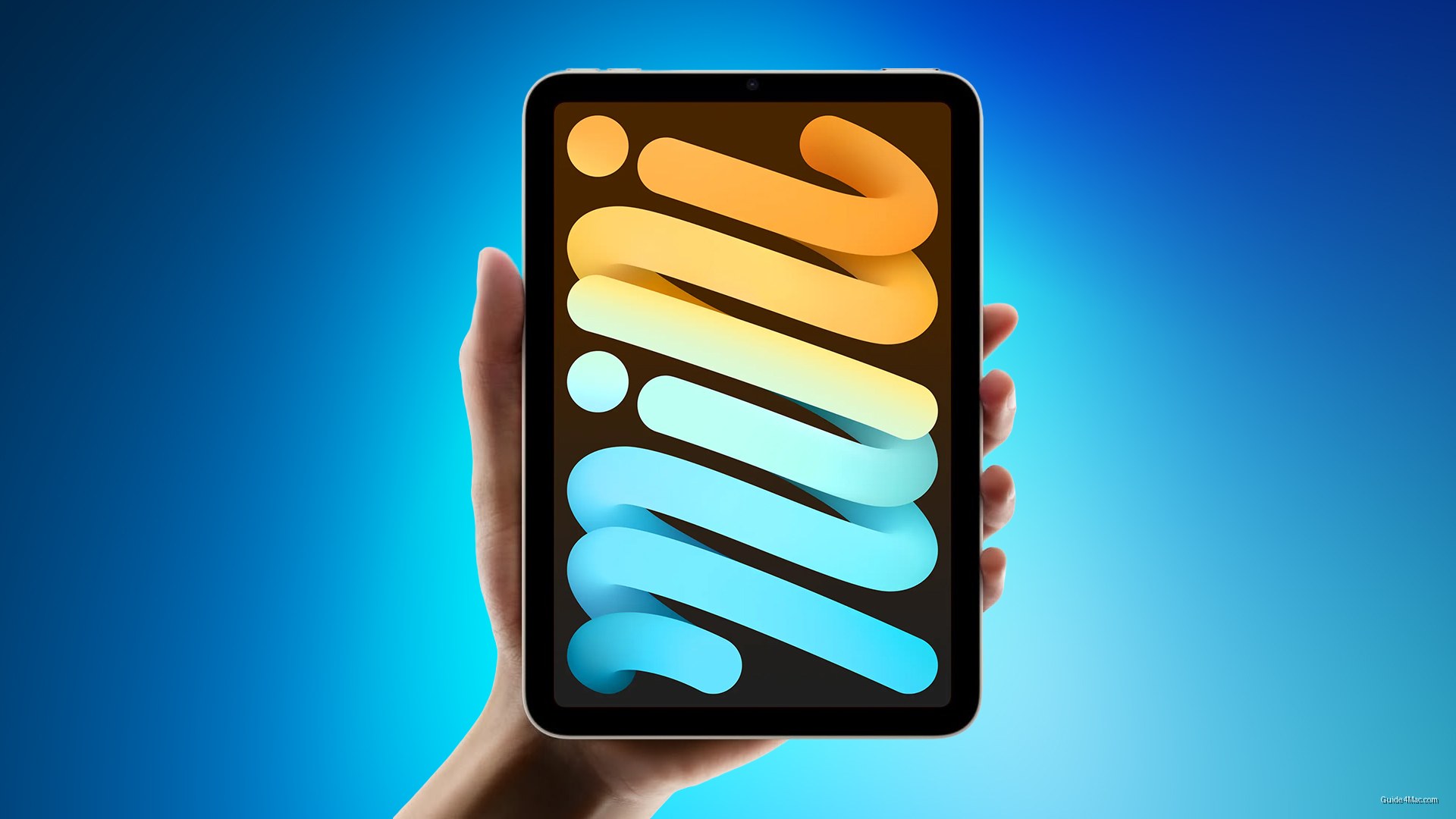
Apple is reportedly building the next iPad mini with a vibration-based speaker system that eliminates traditional speaker holes entirely, a design choice driven by water resistance rather than audio ambition. Instead of grilles, the tablet would use sound-emitting surfaces, reducing the openings that let moisture in. Current iPad mini models carry no official IP rating at all, making this a meaningful shift for a product that has historically lagged the iPhone in environmental protection.
The display upgrade is the other headline. Mark Gurman at Bloomberg has reported that the iPad mini is likely the next Apple device to move to OLED, with a supply chain source pointing to a Samsung-made panel. A separate report suggests the screen could grow from 8.3 inches to 8.7 inches alongside the transition. Refresh rate is still unclear, though the base iPhone 17 now ships with a 120Hz ProMotion display, which raises the floor for what Apple considers acceptable.
Chip and performance
On the processor side, code Apple accidentally published in August pointed to an A19 Pro chip for the new mini. That chip debuted in the iPhone Air and iPhone 17 Pro, though in two variants: a mid-tier version with a 5-core GPU in the Air, and a higher-end 6-core version in the Pro models. The iPad mini 7 followed the same pattern with its A17 Pro, using the lower GPU configuration, which makes the mid-tier A19 Pro the more likely fit here. You can see how this generational chip pattern has played out by tracing the full iPad lineup over time.
There is a minority case for the A20 Pro instead, sourced from a MacRumors tipster reading Apple’s internal codenames in a macOS kernel debug kit. The iPhone 18 Pro is also expected to use the A20 Pro, built on TSMC’s 2nm process. Apple has not always given the iPad mini its newest chip at launch, so the A19 Pro remains the safer assumption, and the iPadOS 26 cutoff decisions show Apple is increasingly drawing hard lines around which chips get forward support.
The OLED panel itself is expected to be a single-stack LTPS type rather than the two-stack LTPO design used in iPad Pro models, which would make it dimmer than Apple’s flagship tablets. That tradeoff tracks with how Apple has quietly tiered its device updates across product lines, offering the technology without the full implementation. The iPad mini 8 would be the first mini with any meaningful water resistance and the first with OLED, which is a notable double upgrade for a product that went 20 months between generations.



0 Comments