IOS 27 Adds Threaded Replies to RCS Chats With Android
What You Need to Know
- Apple added inline reply support for RCS conversations in iOS 27 beta 2.
- Both sender and recipient need RCS-compatible devices and carriers for threaded replies to work.
- IOS 27 launches in September after developer and public beta periods in coming months.
- Apple has gradually added RCS features since iOS 18, including end-to-end encryption in iOS 26.5.
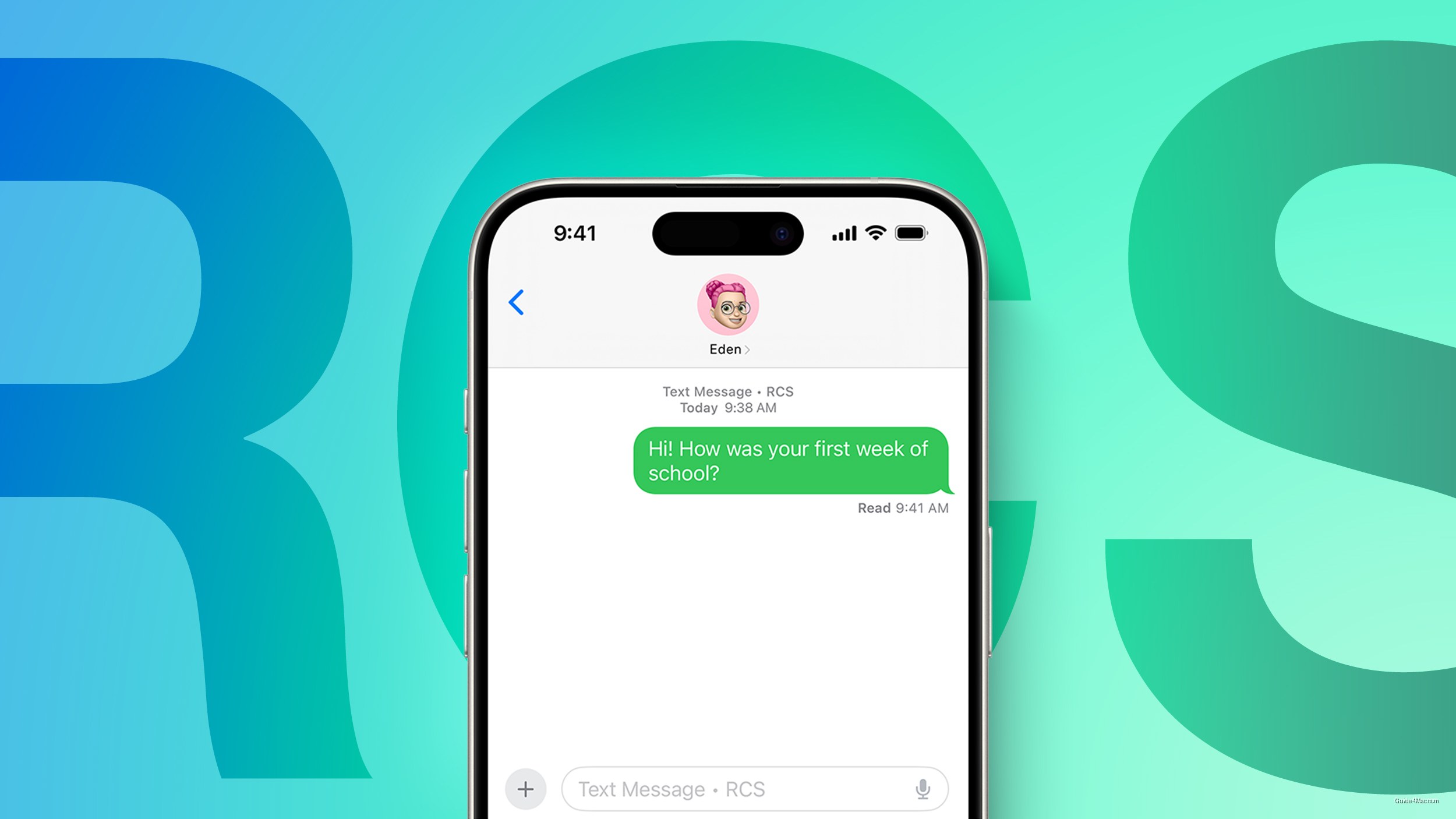
Cross-platform messaging between iPhone and Android has long had a visible gap: while iMessage users could reply directly to a specific message in a thread, the same action in an RCS conversation simply wasn’t available. iOS 27 beta 2 closes that gap.
Apple’s second beta of iOS 27 adds inline reply support for RCS conversations with Android users. Long-pressing a message surfaces the reply option, and the behavior mirrors how threaded replies already work in iMessage.
A Gradual Build-Out
Apple brought RCS to iPhone with iOS 18, treating it initially as a baseline upgrade over SMS. The improvements have been incremental: iOS 26.5 added end-to-end encryption for iPhone-to-Android RCS messages, and now threaded replies are following. The pattern suggests Apple is porting iMessage’s feature set onto RCS one capability at a time rather than shipping everything at once.
One practical limitation applies here. For reply threading to display correctly, both the sender and the recipient need a device and carrier that supports RCS. If either side lacks that support, the feature won’t work as intended, which still leaves some Android users out depending on their hardware or network.
iOS 27 is currently in developer beta, with a public beta expected in July and the full release scheduled for September. That timeline gives Apple several more beta cycles to add, refine, or quietly drop features before the software ships to the general public.
The inline reply addition is a small but telling detail about where Apple sees RCS going. Rather than keeping it as a fallback for non-iPhone conversations, the company appears to be treating it as a first-class messaging layer, at least for users on both ends who have the infrastructure to support it.



0 Comments