Apple TV and HomePod Prices Jump Before Expected Replacements
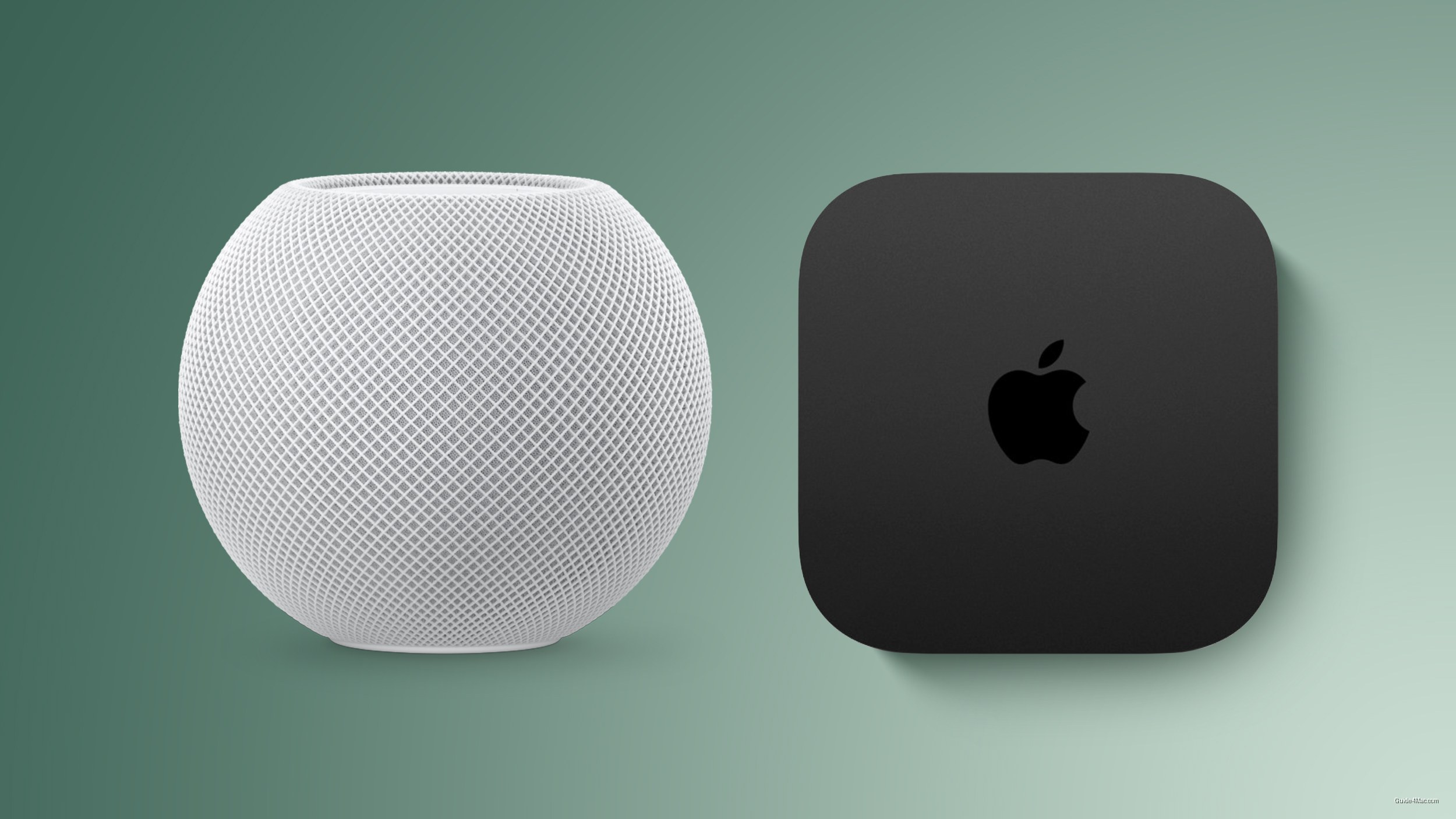
What You Need to Know
- Apple TV price increased from $129 to $199; HomePod mini from $99 to $129.
- Apple attributed price increases to memory chip shortage, calling it unprecedented in speed and magnitude.
- Current Apple TV, HomePod, and HomePod mini use aging chips that don’t support Apple Intelligence.
- Next-generation devices expected later this year with newer chips capable of running Apple Intelligence features.
Apple is raising prices on the Apple TV, HomePod, and HomePod mini today, and the timing is awkward: all three products are years old and widely expected to be replaced later this year.
The increases are steep in some cases. The Apple TV jumps from $129 to $199 for the Wi-Fi model and from $149 to $249 for the Wi-Fi + Ethernet version. The HomePod and HomePod mini both climb as well, from $299 to $349 and from $99 to $129 respectively. Apple attributed the changes to a memory chip shortage, saying in a statement: “We have never seen a component price increase this much, this quickly.” The same component cost pressure has driven price increases across Macs, iPads, and other products.
Hardware That Predates Apple Intelligence
The devices now carrying higher price tags run on aging silicon. The current Apple TV 4K uses an A15 Bionic from the iPhone 13 era, the HomePod mini runs an S5 chip from Apple Watch Series 5, and the full-sized HomePod uses the S7. None of these chips support Apple Intelligence on tvOS 27, which is a meaningful limitation given that updated Siri functionality is the headline feature expected in the next generation of all three devices.
Rumored successors would address that gap. The next Apple TV is expected to carry an A17 Pro, the oldest chip capable of running Apple Intelligence, along with Apple’s N1 chip for Wi-Fi 7 and Bluetooth 6. The HomePod mini is expected to move to at least an S9 chip, with improved audio and an Ultra Wideband upgrade also rumored. A refreshed Siri Remote has been mentioned, though without confirmed design details.
The two-year Siri delay makes the situation stranger still. Customers are now being asked to pay more for hardware that cannot run the software Apple has been promoting for over a year, while updated models sit somewhere in the pipeline. Whether the new prices hold once replacements arrive, or quietly drop, is an open question.



0 Comments