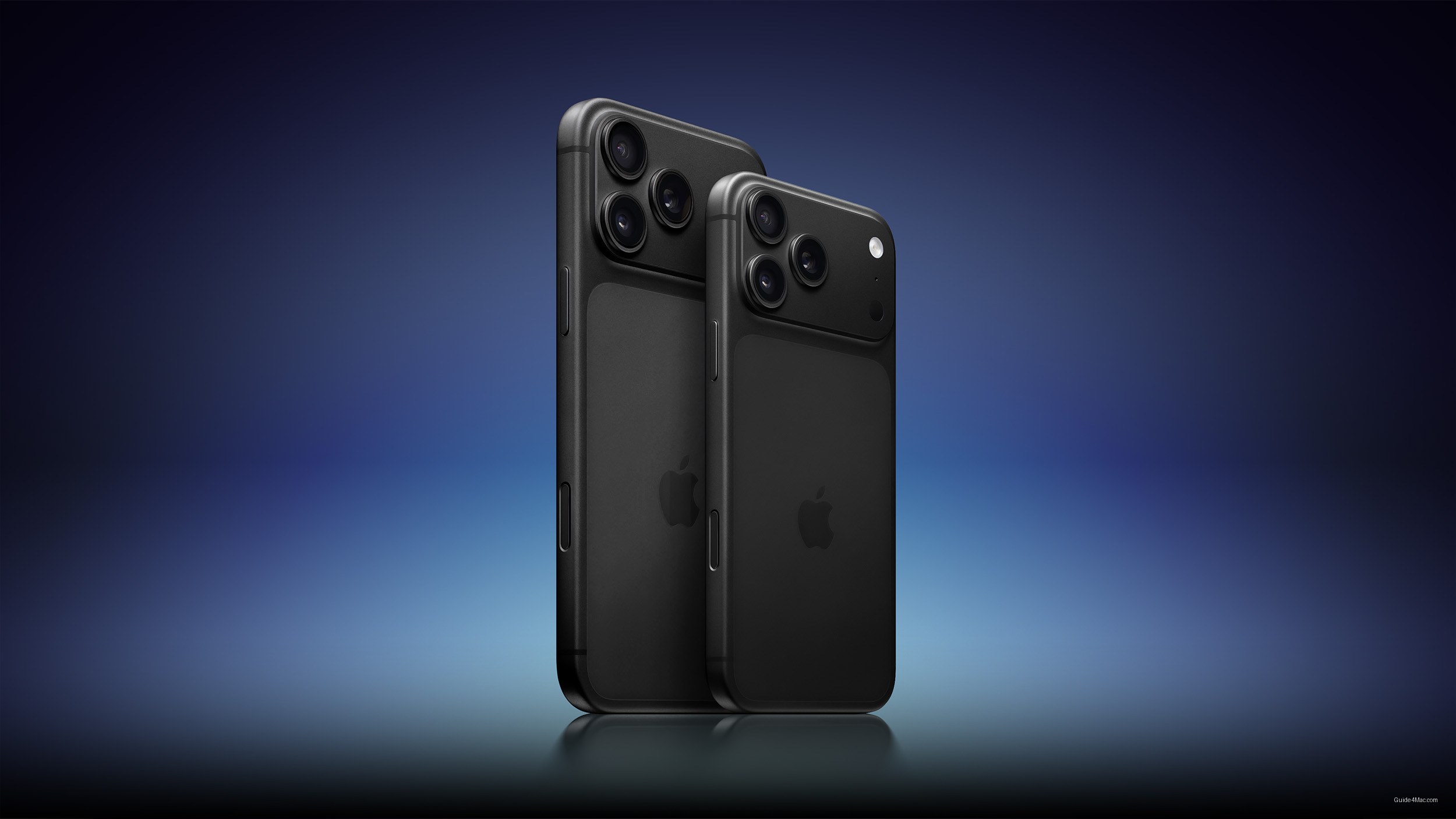
IPhone 18 Pro Max Could Cost $1,400 Without Folding
What You Need to Know
- IPhone 18 Pro Max could cost $1,300-$1,400 in U.S., up from current $1,199 base price.
- Foldable iPhone pricing estimates suggest $2,500-$3,000+ for higher-storage configurations.
- IPhone 18 Pro DRAM costs estimated at $145, up from $39 in iPhone 17 Pro.
- Apple needs $1,399+ break-even starting price to maintain current profit margins.
The most interesting angle buried in this piece is not “prices are going up” but rather that the non-foldable Pro Max could itself become a surprisingly expensive phone, with one leaker calling out that price point specifically for a device that doesn’t fold.
Apple’s standard Pro Max could soon carry a price tag that would have seemed implausible two years ago. One leaker, “Instant Digital,” suggested the 256GB iPhone 18 Pro Max could start at 10,999 to 11,499 yuan in China, which the leaker explicitly flagged as steep for a phone that doesn’t fold. Applied proportionally to U.S. pricing, that puts the entry Pro Max somewhere between $1,300 and $1,400, up from $1,199 today.
The foldable is an even sharper story. Bloomberg’s Mark Gurman had already placed it above the $2,000 mark, and analyst Ming-Chi Kuo put the floor there too, with a ceiling potentially above $2,500. The new Weibo leakers are now suggesting a further 10% to 20% increase on top of those existing estimates, which would push higher-storage configurations of the foldable iPhone past $3,000.
Why the numbers keep climbing
The cost pressure behind these projections is documented. TechInsights estimates that the DRAM alone in the iPhone 18 Pro could cost Apple around $145, compared to roughly $39 in the iPhone 17 Pro. Factor in a new camera system and the Wall Street Journal puts the break-even starting price at $1,399 or higher just to maintain current margins.
Apple has already moved on other product lines. The company raised prices across most of its device lineup this week, excluding iPhone, AirPods, and Apple Watch. Tim Cook described the cost environment last week as a “hundred year flood,” citing memory and storage chips specifically.
Historically, Apple has absorbed component swings rather than passing them to buyers. That pattern appears to be ending, and the iPhone 18 cycle may be where customers feel it most directly.


0 Comments