Apple vs Epic: Why This Court Win Still Matters for Developers
Apple just won an important round in its legal battle with Epic Games—but if you’re a developer, startup founder, or even a power user, this isn’t really about who “won.” It’s about what doesn’t change… yet.
The court’s decision means Apple can continue enforcing its App Store rules without pause, keeping its payment system and commission structure firmly in place while appeals continue. On paper, that sounds like stability. In reality, it’s more like a holding pattern—and one that could shift at any time.
The Real Story: Nothing Changes (and That’s the Point)
For developers building on iPhone, this ruling doesn’t introduce anything new. Instead, it preserves the current environment:
- Apple’s in-app purchase system remains mandatory
- Commission fees still apply
- Alternative payment options are still restricted
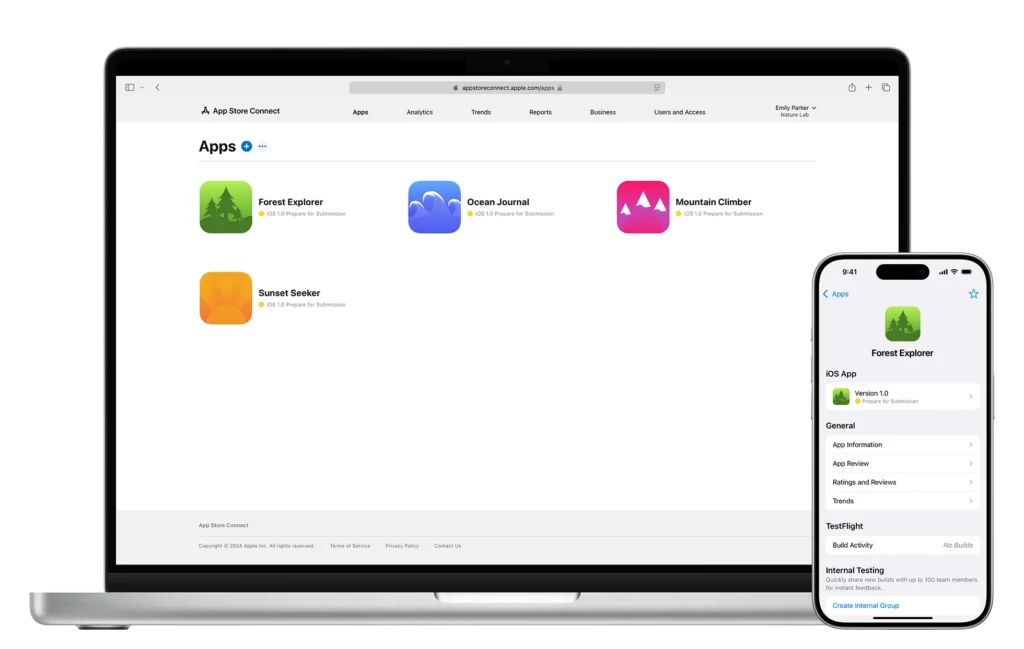
If you’re running a subscription-based app or digital service, this means your margins, pricing strategy, and user experience stay tied to Apple’s system—at least for now.
But here’s the catch: this stability is temporary.
Why Developers Shouldn’t Get Comfortable
The biggest mistake right now would be to assume this ruling settles anything. It doesn’t. It simply allows Apple to maintain control while the legal battle continues.
And that matters because:
- Appeals are still ongoing
- Regulators (especially in Europe) are pushing for changes
- Competitors are actively challenging platform restrictions
In other words, the rules you’re building your business on today could look very different tomorrow.
A Different Perspective: This Is About Control, Not Just Revenue
Most coverage frames this case around commissions and payments. But from a product and ecosystem perspective, it’s really about who controls the user experience.
Apple’s position is clear:
- A controlled ecosystem ensures security and consistency
- A single payment system simplifies user trust
Epic—and many developers—argue the opposite:
- More flexibility could drive innovation
- Alternative payments could reduce costs
Neither side is entirely wrong. That’s why this battle is dragging on—it’s not just legal, it’s philosophical.
What Smart Developers Are Doing Right Now
Instead of waiting for a final decision, many developers are already adapting:
- Building cross-platform strategies to reduce dependency on iOS
- Exploring web-based payments where possible
- Preparing for potential policy shifts in different regions
This isn’t about choosing sides—it’s about staying flexible in an uncertain environment.
Final Thoughts (and Insights)
Apple’s latest court win keeps the App Store exactly as it is—but that’s not the full story. The real takeaway is that we’re in the middle of a transition period where nothing changes on the surface, but everything is still in motion underneath.
For developers, this is a moment to pay attention, not relax. The decisions made today—pricing, payment flows, platform reliance—could be impacted by rulings that haven’t even happened yet.
Because this isn’t just a legal fight anymore. It’s a long-term negotiation over the future of the app economy—and everyone in the ecosystem is part of it.




0 Comments