Apple Reshapes OLED Supply Chain: iPhone Air Sidelined for Premium 2026 Gains
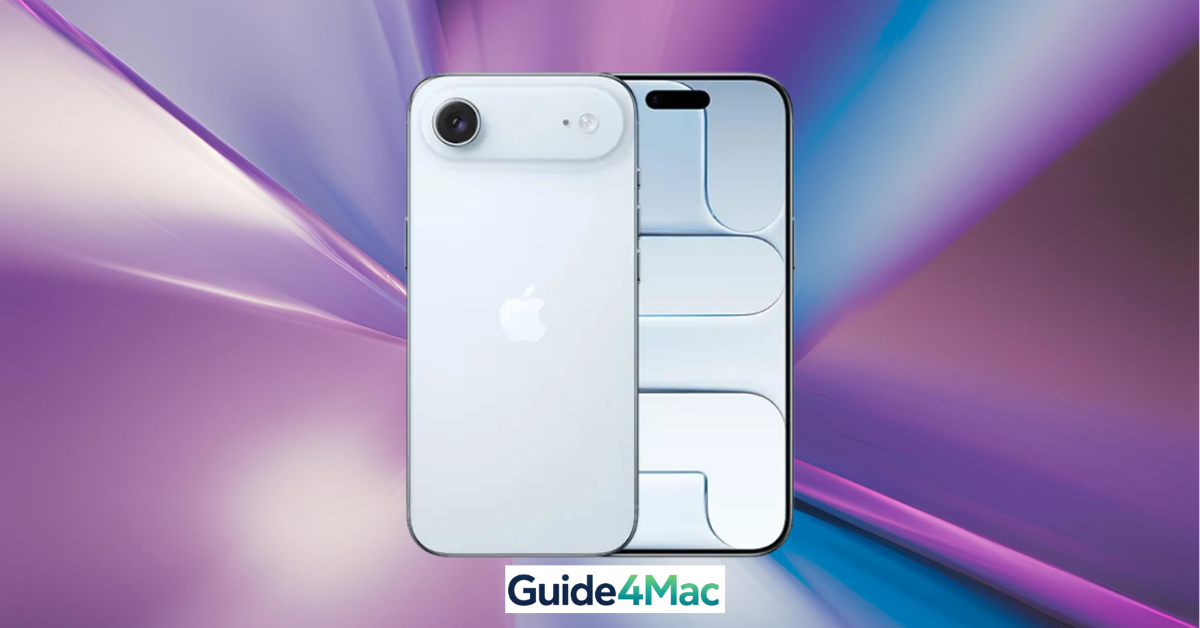
The 2026 tech season is seeing some aggressive maneuvering behind the scenes in Cupertino. Despite the initial hype surrounding the ultra-slim form factor, Apple has reportedly decided to overhaul its OLED supply chain, a move that leaves the “iPhone Air” in a difficult spot.
The strategy is clear: in a cooling smartphone market with skyrocketing memory costs, Apple is choosing to sacrifice sales volume to shield its premium profit margins, doubling down on the models that actually drive the bottom line.
Was the iPhone Air a Flop? The Road to 2027
The current generation of the iPhone Air—the “slim” model that replaced the Plus—hasn’t quite set the world on fire. Despite its record-breaking 5.6mm profile, sales have struggled compared to the flagship Pro models.

- Production Cuts: Major partners like Foxconn and Luxshare have reportedly scaled back dedicated assembly lines for the Air.
- The 2027 “Super-Cycle”: Rather than forcing a minor update in 2026, Apple is rumored to be “freezing” the Air project. The goal? A massive comeback in 2027 for the 20th Anniversary of the iPhone.
- The CoE Revolution: The real breakthrough is waiting on Samsung Display’s OLED CoE (Color Filter on Encapsulation) technology. By removing the polarizer layer, Apple can make the screen even thinner while cutting power consumption by 20%—but the tech won’t be ready for mass production until next year.
A New Focus: Pro Models and the Foldable Future
This supply chain reorganization isn’t just a retreat; it’s a tactical pivot. Apple is concentrating its high-end panel orders in two specific directions:
- iPhone 18 Pro & Pro Max: These remain the true engines of Apple’s profitability. For 2026, the lineup will be leaner but more powerful, as on-device AI requires expensive hardware that only a “Pro” price tag can justify.
- The Ultra-Foldable: Capital previously allocated to the Air is being redirected to the first iPhone Fold (rumored to be called the iPhone Ultra). Supply chain leaks suggest Apple wants this “halo” device to be the centerpiece of late 2026.
The Component Crisis: Memory vs. Display
Apple’s biggest hurdle right now is the price of raw parts. With the global NAND and DRAM shortage continuing to drive up costs, producing a “mid-premium” device like the Air with thin margins has become a liability. By prioritizing Samsung and LG for Pro-level displays, Apple maintains leverage over its pricing power, even as the cost of building the phone climbs.
Master’s Note: If you’re looking to upgrade in 2026, the Pro series is the only safe bet. The “Thinness Revolution” has been officially pushed to the 2027 anniversary cycle to allow the hardware to catch up with the ambition.



0 Comments